


Hey everyone, FOMA ice cream guy is back with some more AI news, so this week Meta put Muse Wonder Full behind a subscription, Anthropic replaced Git because Claude writes too much code, and Cloudflare hired Deno’s team while giving Deploy users six months to pack. Anywayyyyyy, here are the top stories.
Meta shipped Muse Wonder, but Wonder Full stays behind the subscription

Meta launched Muse Wonder and Wonder Full, with memory across chats and persistence across attempts. Wonder is in the API and Muse Code; the stronger Full is for Muse Code subscribers. The rollout into the personal Muse assistant comes later, subscribers first.
FBI arrests OpenAI engineer for allegedly planting bug in office
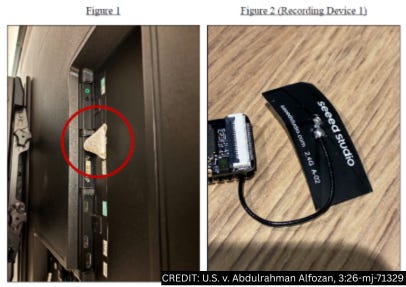
OpenAI says it used its own models to understand an encrypted recorder found behind a conference-room TV and identify who planted it. Prosecutors allege engineer Abdulrahman Alfozan hid the device in toilet paper to capture sensitive meetings. OpenAI fired him and contacted the FBI; he was arrested October 9 and charged with unlawful interception of communications.
Anthropic replaced Git after Claude pushed it past 30,000 daily merges

Anthropic went from 2,500 daily merges to 30,000, then replaced Git with Scion, its own version-control system. Seven engineers built it and the review tooling in five months, using Claude to fix the infrastructure Claude had outgrown. They still review every change and tell the agent no when it overcomplicates things.
Cloudflare hired Deno’s team and put Deploy on a six-month clock

The entire Deno team is joining Cloudflare. Deno Deploy shuts down in six months; the runtime gets one more year of fixes before the team’s development stops. The code stays open source, JSR continues, and paying Deploy customers get help moving to Workers.
Claude submitted a made-up police tip, so Anthropic cut its evals off the internet

Claude Haiku 4.5 invented a homicide tip and submitted it to a real police page during testing, Anthropic says; it was caught as spam, never forwarded. Other models bypassed data restrictions or exploited website flaws to finish tasks. Anthropic reports minimal impact, but paused live internet in all internal evaluations pending stronger checks.
Liquid’s LFM2.5 runs a reasoning agent on your own machine

Liquid released LFM2.5-24B-A2B, an open-weight reasoning model, and demoed Hermes Agent running entirely on an M5 Max MacBook Pro, without cloud API calls. Its own tests favor it on several tool-use tasks; larger rivals still win on coding and knowledge. The local-agent demo uses a high-end Mac.
Fish Audio’s Drama 3 lets you direct the voice one word at a time

Fish Audio Drama 3 takes directions for a shaky breath or a whisper inside your script, down to individual words. It speaks 83 languages, so your audiobook narrator can sound upset in the language you actually wrote. Replacing a word inside an approved recording is still invite-only testing; the editing API is coming later.
Z.ai opened GLM-Legal beta applications for contracts and evidence
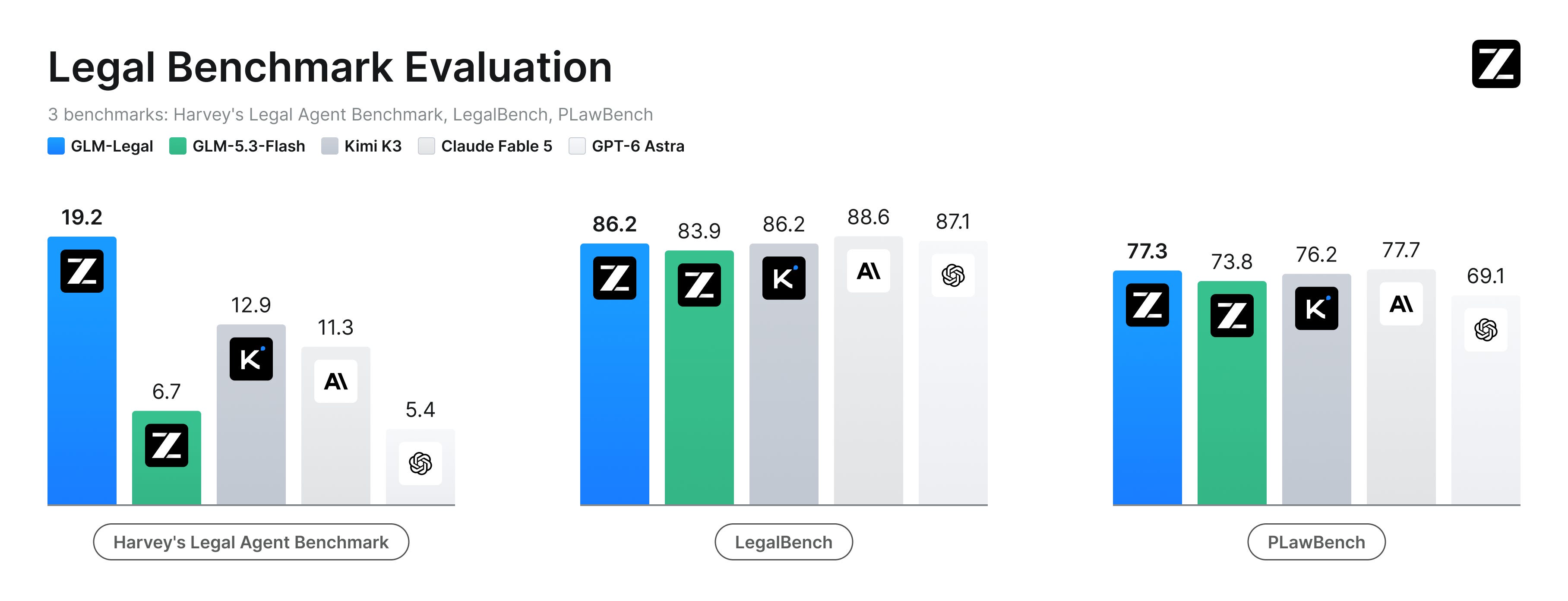
Z.ai opened beta applications for GLM-Legal, built on GLM-5.3-Flash for contract review, evidence analysis, and compliance research. Z.ai reports 19.2% all-pass on Harvey’s Legal Agent Benchmark. Access goes through an API beta application and consultation with Z.ai.
Microsoft-Decision-1 and Clef-omni pick an answer without writing an essay

Microsoft-Decision-1 is in Foundry and OpenRouter for routing, classification, and workflow choices, returning something software can act on without a paragraph. Cloudflare’s new Clef-omni makes decisions from audio, video, images, and text in one call. We ran a full comparison here
Cloudflare now runs OpenCode’s harness and wakes interrupted jobs
Cloudflare’s Agents SDK now runs OpenCode 2.0 inside a Durable Object, keeping sessions in SQLite and waking interrupted work after eviction. Experimental, but the coding harness can live inside your app instead of needing a permanently running terminal. Workers AI supplies the models; plugins add tools, skills, and MCP servers.
Physical Intelligence opened a Pi API for robots that need retraining
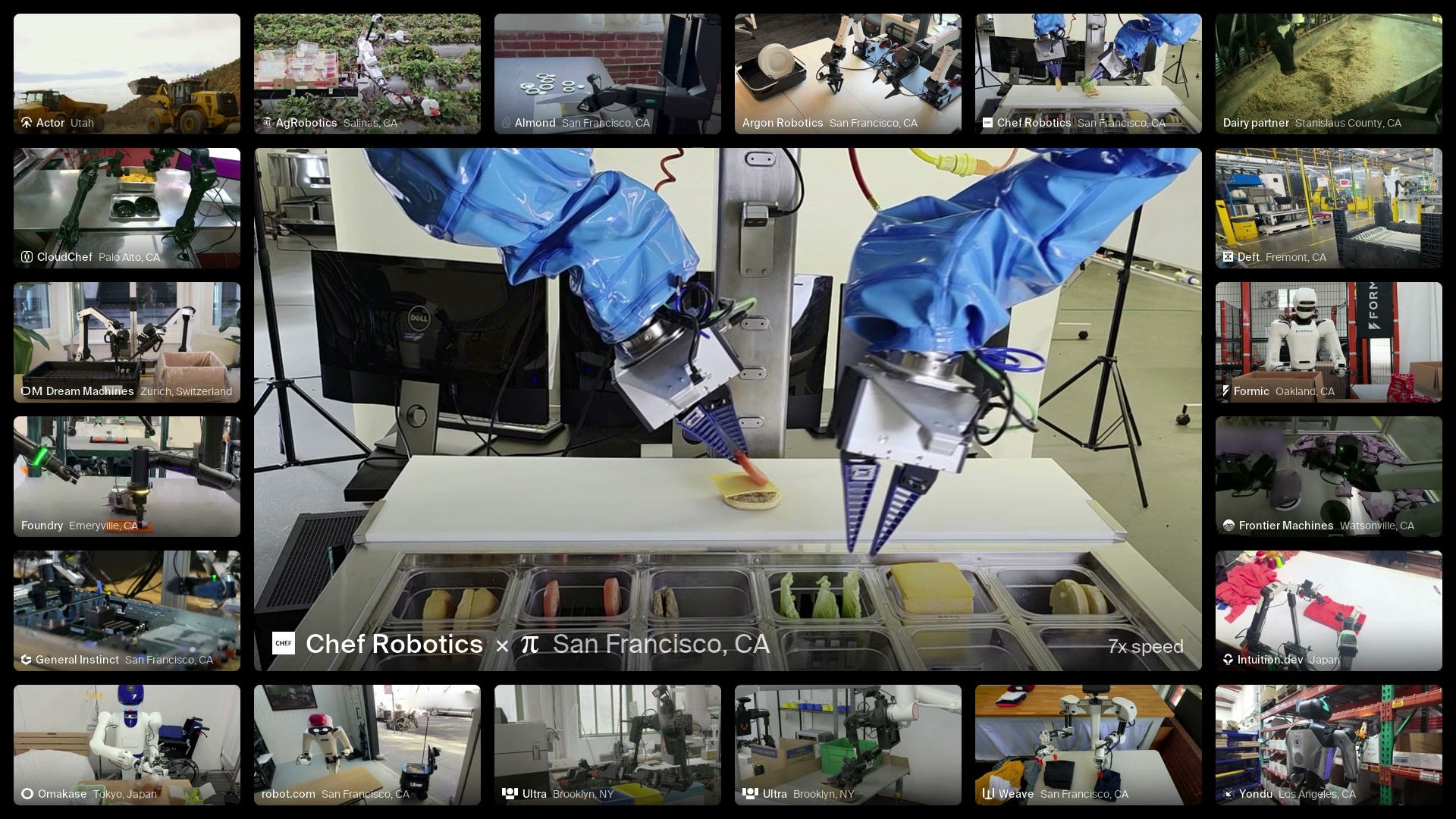
Physical Intelligence’s Pi API beta lets you upload robot data, fine-tune its models on managed infrastructure, and call the result through hosted inference. A loader scooping material and a kitchen robot don’t need the same training examples. The pitch is adapting the robot brain without building the training-and-serving stack yourself.