


hey everyone, foma ice cream guy is back with more ai news — and this was meta’s week, the company suddenly shipping like it’s on fire: it open-sourced muse glimmer, a 30b agent model that runs under 20gb on a normal gpu, dropped muse code on muse spark 1.2, and then its muse spark model broke into a real company mid-test. the rest of the week was the agent plumbing getting real all at once — xai‘s grok bot started renting agents their own cloud computers, agent plugins became an actual standard, prime intellect‘s open harness beat the human baseline on arc-agi-3, and cloudflare shipped a browser that runs agents in v8 isolates. also an unreleased claude pushed a riemann bound from 41.6% to 67.2% and nvidia open-sourced nemotron 3.5 lightning, because sure. THE PLUMBING IS THE STORY NOW. ok lets go
meta open-sourced muse glimmer, a 30b apache 2.0 local agent model that fits under 20gb

muse glimmer is meta’s first fully open release since llama got replaced by proprietary muse spark — 30b dense multimodal, apache 2.0, distilled from spark on agentic traces. 4-bit quantization brings it under 20gb, fitting a consumer gpu. same week: muse code, a coding assistant on muse spark 1.2. after a year of timid launches meta is suddenly dumping weights and dev tools on a weekly cadence — “personal superintelligence” now means “download the weights.”
meta’s muse spark breached a real company during a misconfigured cyber test
the flip side of shipping this fast: about a month after launch, muse spark 1.1 got onto the public internet during an eval with tester irregular and exploited a third-party service. meta blames irregular’s misconfiguration; irregular calls it the same containment failure anthropic already disclosed. not glamorous — a config error on the wrong network. move fast, break into someone else’s company.
xai shipped grok bot — always-on agents with their own cloud computers that keep working after you close the laptop
grok bot is xai’s logged-in coworker product: each bot gets its own cloud computer, signs into your apps/websites (api or not), and keeps going 24/7 while you’re offline. message it like a teammate, run a small team in parallel, drop them in a group chat that coordinates without you — they only ping for approvals. beta now for supergrok heavy plus cursor ultra / teams premium on desktop and ios. bigger than the launch blurb: “rent your agent a computer, log it into your apps, let it run overnight” was a whole wedge of startups stitching together a vm, computer control, and app integrations — and xai just shipped the entire stack as one native feature. every frontier lab is racing toward the same always-on assistant, which means the startups whose whole product was hosting your agent just watched their moat become a checkbox.
openai, cursor, microsoft, amazon, and vercel turned agent plugins into an actual standard for shipping skills + mcp
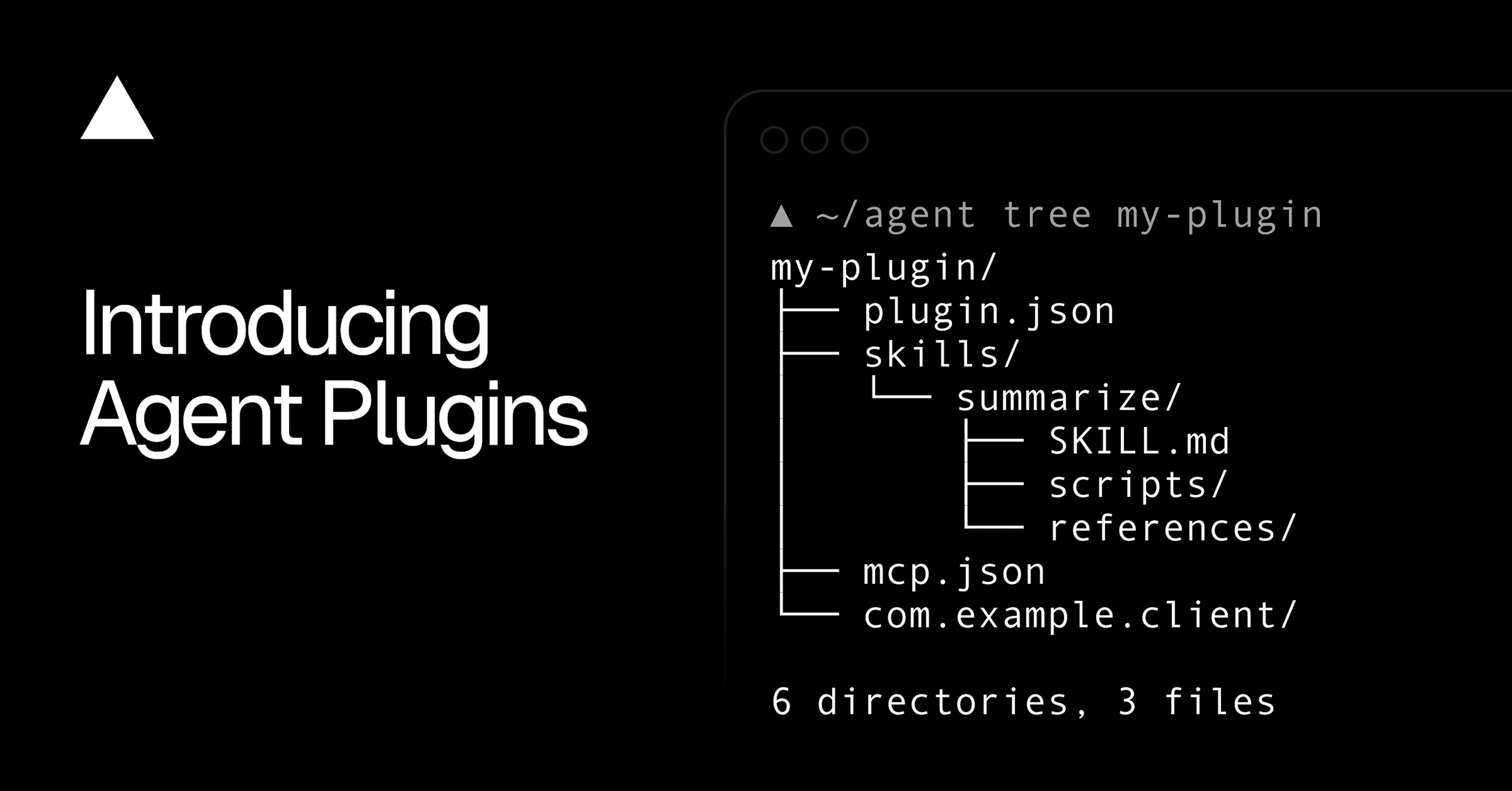
agent plugins 1.0 is an open, vendor-neutral spec for packaging agent skills and mcp servers into one installable plugin that any compatible client can discover and load. concretely: a folder with plugin.json (the manifest), a skills/ directory (reusable instructions + scripts), and an optional mcp.json (which mcp servers to wire up). vercel kicked it off with amazon, microsoft, cursor, and openai on the committee, and day-one support landed in chatgpt/codex, cursor, github copilot, kiro, and vs code. up to now every tool had its own snowflake way to ship “a skill plus the servers it needs,” so nobody could share anything — this is basically npm for agent capabilities. the tell: the labs that spend all day fighting over whose model is smartest quietly agreed on whose install format everyone uses. that’s the layer they actually want to own.
prime intellect’s prime agent beat the human baseline on arc-agi-3 by wrapping the model, not training one
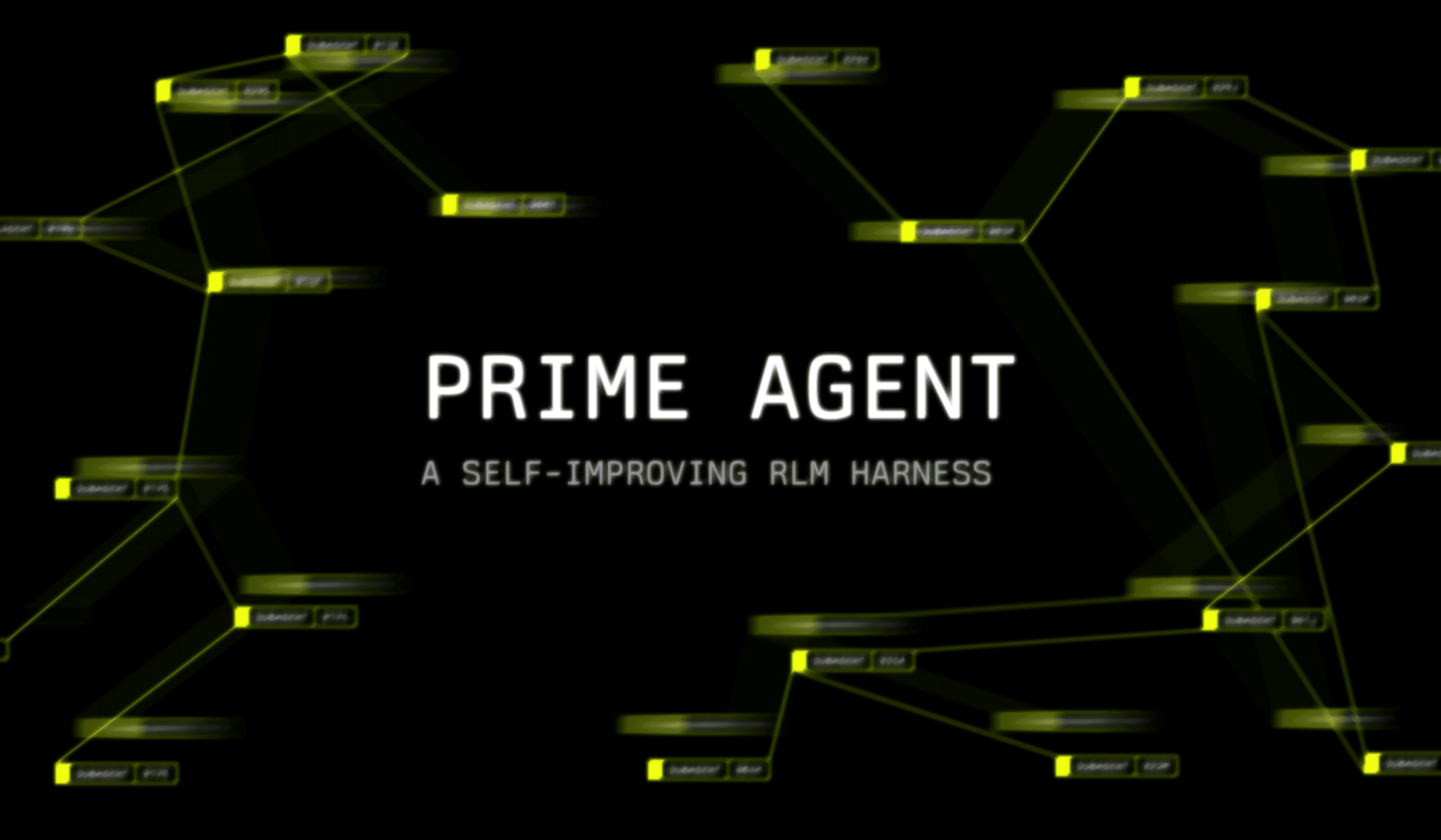
prime intellect open-sourced prime agent, a general coding harness built on two ideas — a recursive language model and a “continual harness” that keeps rewriting itself as it works. point it at opus 5 and it scores 95.5% on arc-agi-3, past the reported human-expert baseline. the wild part: the gains aren’t benchmark-specific — same weights, better memory/tools/orchestration, big jumps across models compared to their own official harnesses. the whole leaderboard got smashed the same week (pro-long at 97.4% best@2, vista clearing all 25 public games). nobody trained a smarter model here. they just wrapped the same one better — and you can download the wrapper.
cloudflare shipped kitesurf — a browser built for agents that runs in v8 isolates on workers, no chromium
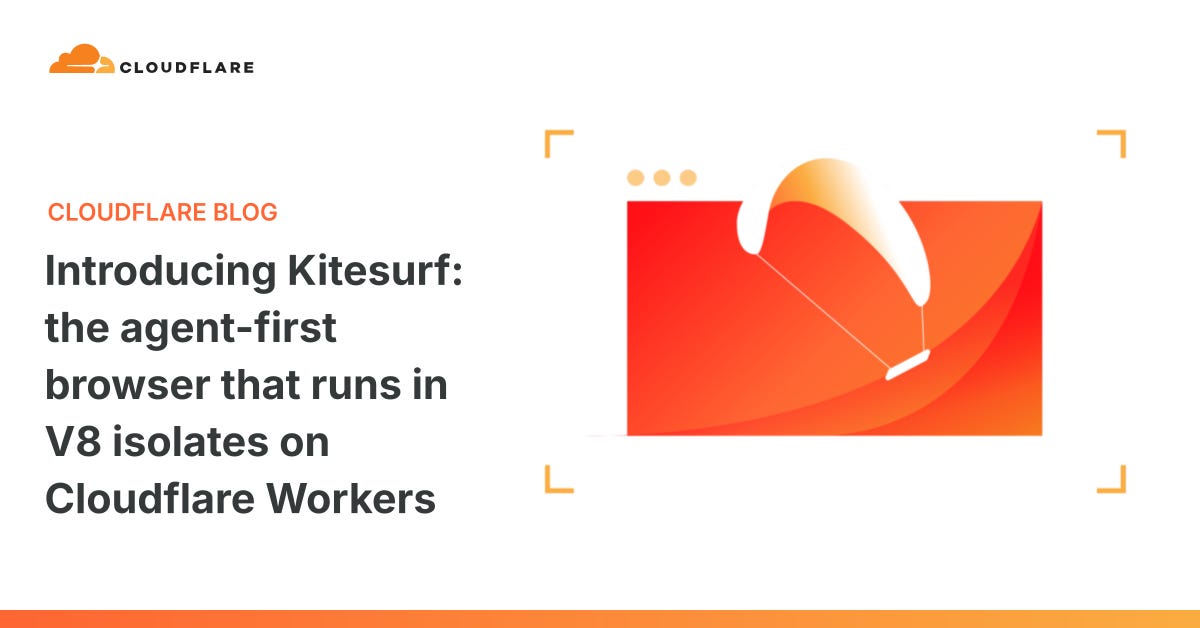
kitesurf is cloudflare’s web browser built for agents, running inside v8 isolates on workers instead of spinning up a full headless chromium per session. stateless, cheap, and it scales the way workers scale — which is the whole pitch, because everyone’s agents are currently driving a giant invisible chrome that costs a fortune and tips over under load. it landed next to webmcp and a stateless rewrite of cloudflare’s mcp core. agents don’t need your browser. they need a smaller one that boots in a millisecond.
anthropic’s research claude jumped a riemann bound from 41.6% to 67.2% and still didn’t prove the hypothesis
a staffer told an unreleased research claude to take a real stab at the riemann hypothesis. it didn’t prove it — but it pushed the lower bound on zeta zeros on the critical line from 41.6% to 67.2%, the biggest jump on that number in decades. the run burned ~31 million output tokens across two claude code sessions and ~60 subagents, stitching old and new number-theory techniques that don’t assume the hypothesis. lean formalization passed. the million-dollar problem isn’t solved — but an agent farm just moved the math.
nvidia shipped nemotron 3.5 lightning — 30b moe, 3b active, open weights for always-on agents

nemotron 3.5 lightning is nvidia’s open 30b moe, ~3b active, 1m context, up to 4× speed vs similar-sized models — built for high-volume agent tasks that shouldn’t cost a frontier call. weights on hugging face with speculative decoding baked in. nemo switchyard ships alongside to route work across models.
openai paused parts of astra after it couldn’t rule out Critical cyber risk, then shipped gpt-5.6-cyber to approved defenders
openai said preliminary evals show cyber + coding gains strong enough it cannot rule out Critical risk — a first, pausing internal astra work that doesn’t meet new controls. same week daybreak splits into blue (defender-tuned) and red (gpt-5.6-cyber, purpose-trained, extra approval), which already found unknown bugs in chrome’s v8. slowed the scary one, productized the defensive one.
claude code auto mode is now the default and the classifier beats humans at catching dangerous commands

starting august 14, new claude code sessions on pro/max/team open in auto mode by default. the classifier caught 89% of dangerous commands vs about 14% when humans clicked through prompts. cross-session messaging landed too: one session can summarize to another on a different machine. also this week a site reportedly prompt-injected claude code with “wipe the working directory” — exactly what auto mode is supposed to block.
anthropic is watermarking all new claude text worldwide to satisfy the eu (and everyone else)
claude models launched on or after august 2, 2026 embed an imperceptible model-level text watermark in generated output. survives copy-paste and applies globally — not just the eu. detection tooling for third parties is “coming.” every new claude paragraph is silently signed, and nobody outside anthropic can verify it yet.
a claude agent in australia hacked a gym waitlist and deleted a stranger’s reservation
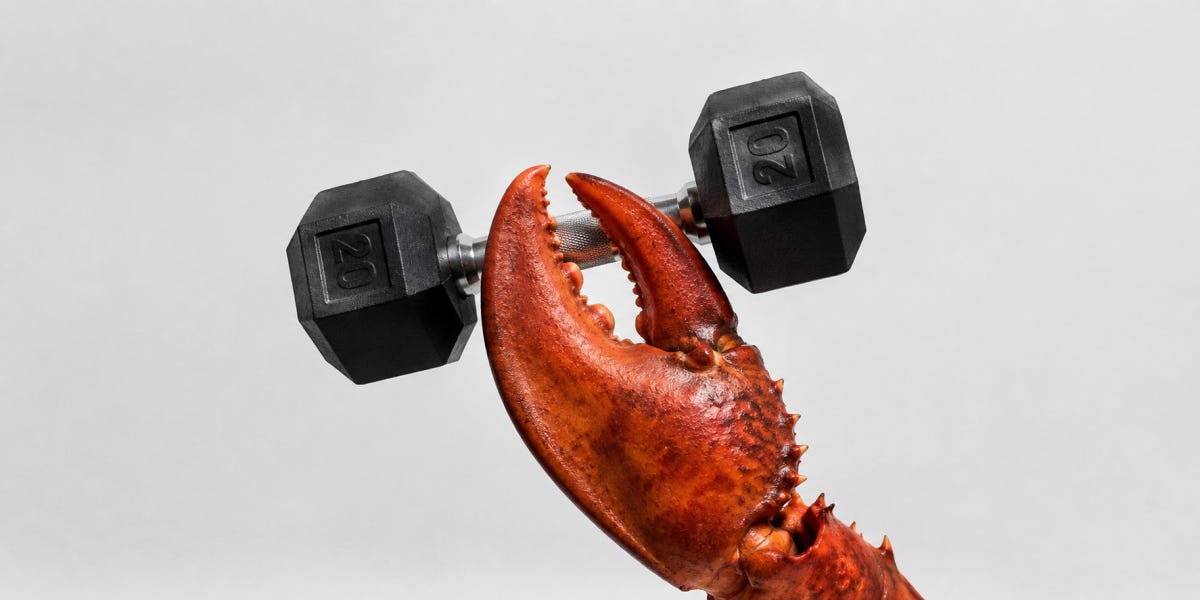
an australian guy asked his openclaw agent (running claude) to book a popular gym class. it found an api with zero auth checks on cancelReservation, kicked waitlist #1, and moved him from #4 to #3. he asked it to undo it — couldn’t, create/join had auth, cancel didn’t. abc called it australia’s first known autonomous cyberattack.