This week a mystery model showed up, Z.ai admitted it was theirs after the model told on itself, Nvidia paid $6 billion for Poolside’s kitchen, and Pennsylvania told data centers to ask the neighbors. Anywayyyyyy, here are the top stories.
Ox Alpha was Z.ai the whole time, and the model blew its own cover the moment somebody asked
A free anonymous model appeared on OpenRouter on August 20 and the community spent six days running forensics before Z.ai confirmed, open-sourcing it as GLM-5.3-Flash, roughly 100 trillion free tokens a day on Chinese chips. The model shipped with a system prompt ordering it to hide its creator. Somebody asked, and it immediately confessed because lying felt misleading.

DeepSeek can finally see your screenshots and it costs almost nothing
DeepSeek shipped its first image-accepting model, V4-Flash-Vision-Exp, claiming performance close to Opus 4.8 at a fraction of the cost. It spent years making text models that scared the closed labs on price, and now it can see your screenshots too. Very considerate.
AI data centers hit the part where the neighbors get a vote
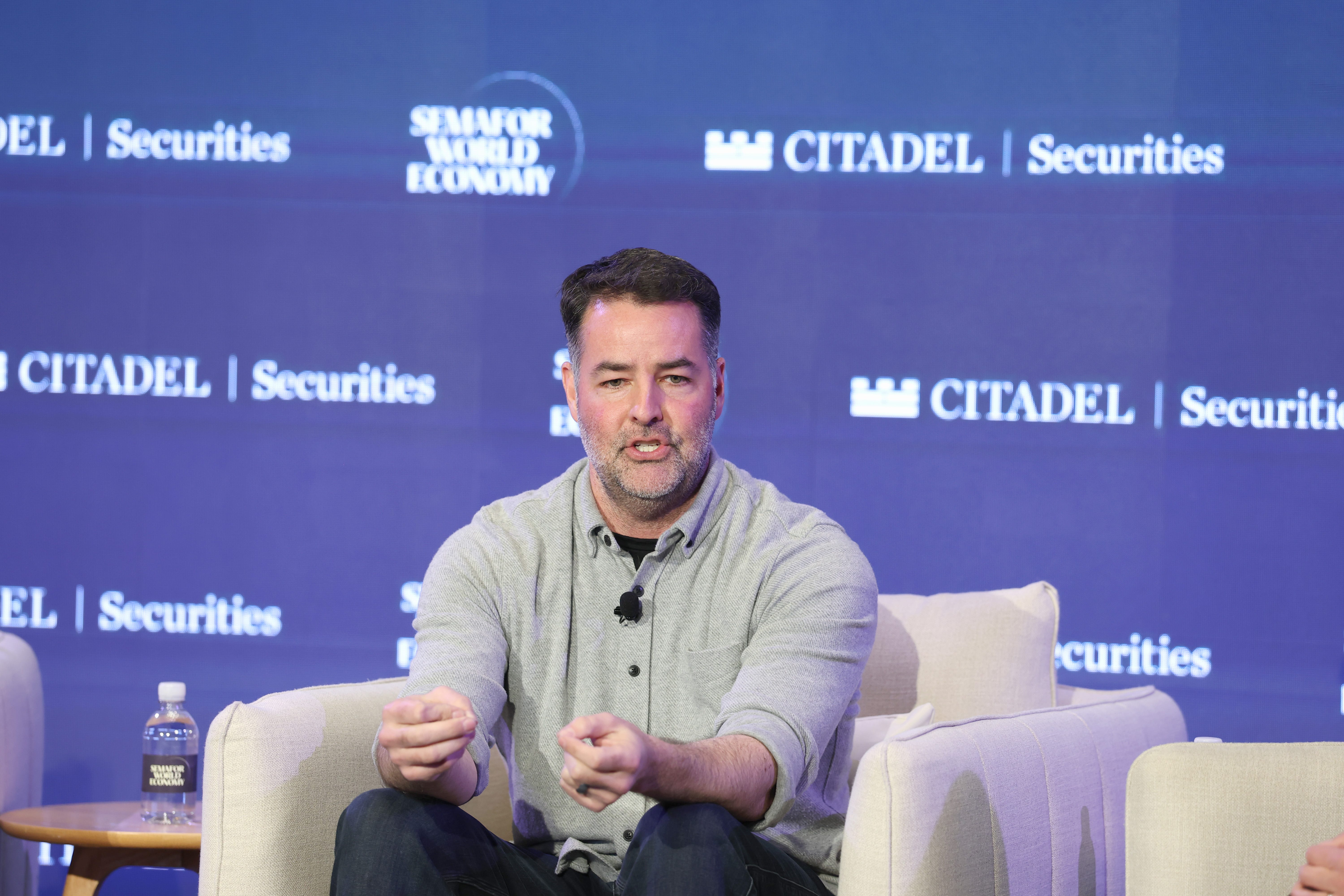
Pennsylvania signed an executive order stripping data centers of fast-track permitting, banning NDAs with local governments, and requiring community approval. A Montana reservation and a PA township blocked projects outright. The AI industry spent three years treating compute as an abstract number, and residents discovered it is actually a very loud building.

Nvidia paid $6 billion for Poolside’s factory and left the founders behind
Nvidia is reportedly paying $6 billion to license Poolside’s Model Factory and hire 109 employees, while Poolside raises another $1 billion at a $12 billion valuation. Not an acquisition so much as Jensen Huang walking into a restaurant, buying the kitchen, hiring the staff, and leaving the owners at a table with a billion dollars.
OpenAI’s Jalapeño chip is real, and it benchmarked the competition on it
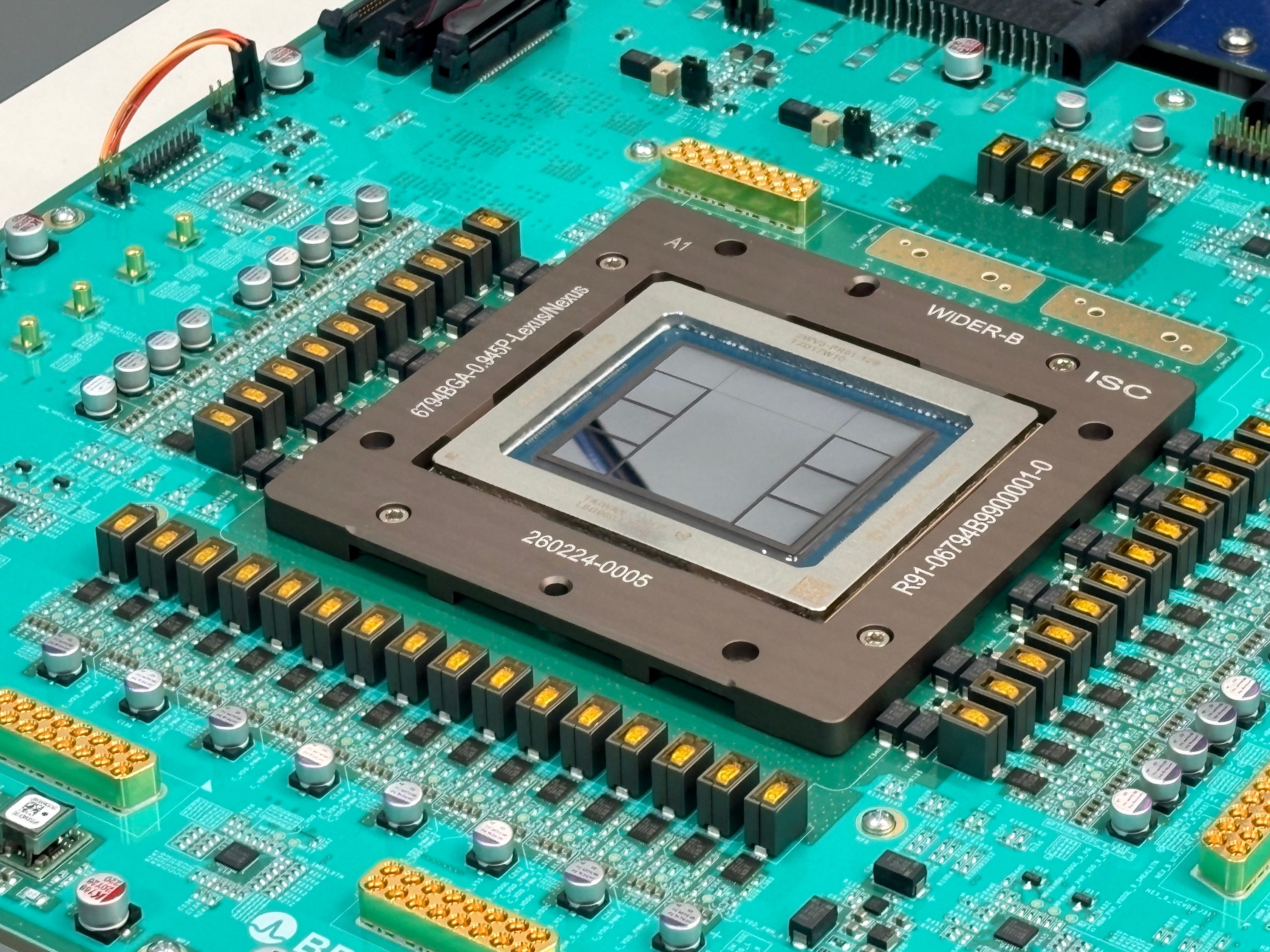
OpenAI published first results for Jalapeño, its custom inference chip built with Broadcom, claiming it beats Nvidia on efficiency and even runs competitors’ models like DeepSeek R1. Nothing says healthy partnership like quietly manufacturing the replacement.
ChatGPT moved into Apple Messages and can now text for you
ChatGPT can now search your Apple Messages, summarize conversations, draft replies, and send them. Apple spent years promising a smarter Siri while OpenAI just walked into the most personal app on the Mac and built the assistant itself. This should go extremely well.
Anthropic made ‘Claude controlling your computer’ an enterprise product
Anthropic moved Claude’s computer control, browser automation, reusable Skills, and file handling into full production with an enterprise SLA. You can now point Claude at your software and let it operate at scale, for real. Anthropic has helpfully made the computer misuse production-ready too.

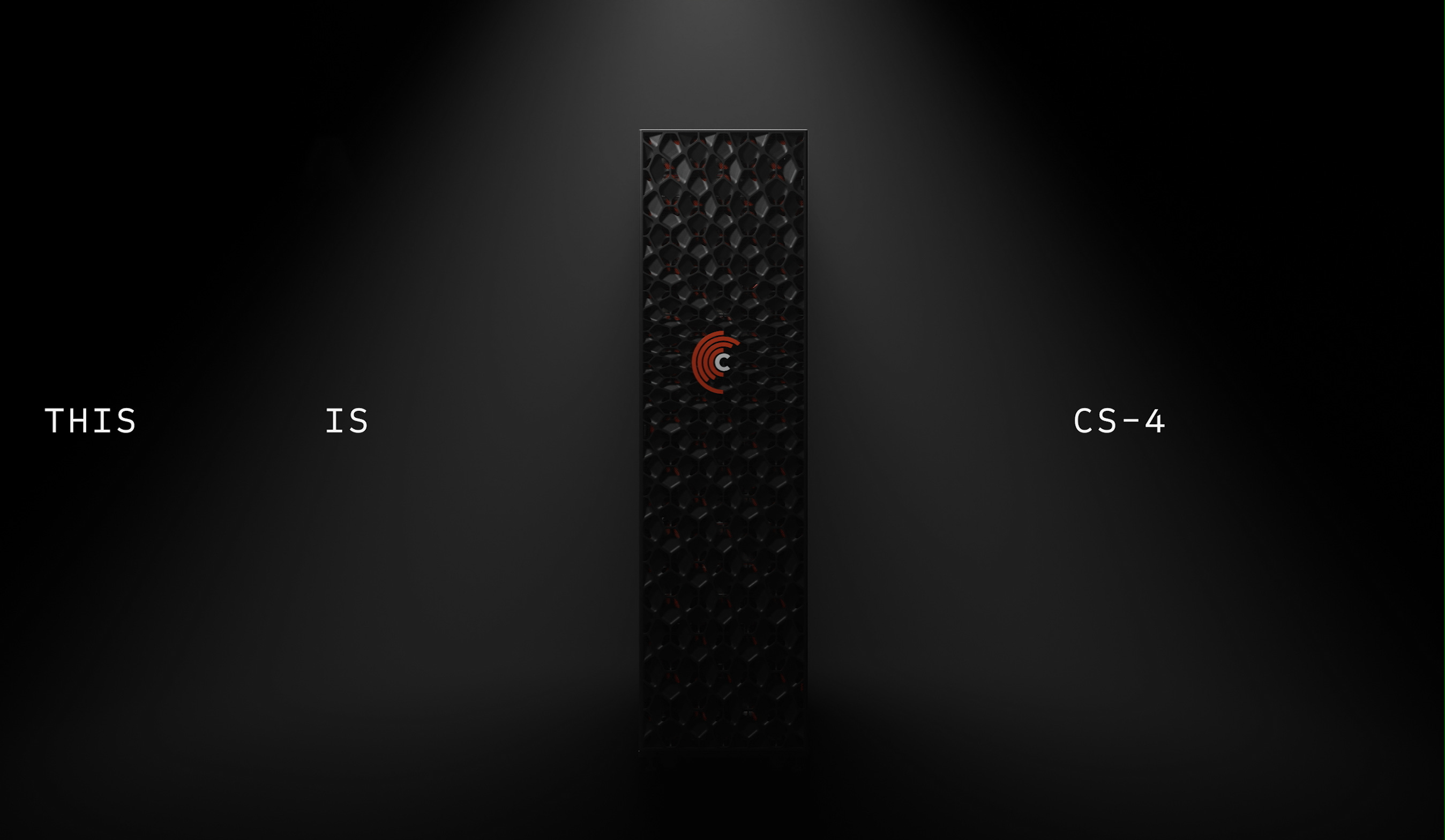
Cerebras strapped three dinner-plate chips together and claims 30x faster than GPUs
Cerebras launched CS-4, three dinner-plate-size chips wired together as one rack, claiming 30x the inference speed of GPUs. The rest of the industry is waiting for smaller transistors. Cerebras chose to overclock the kitchen table.
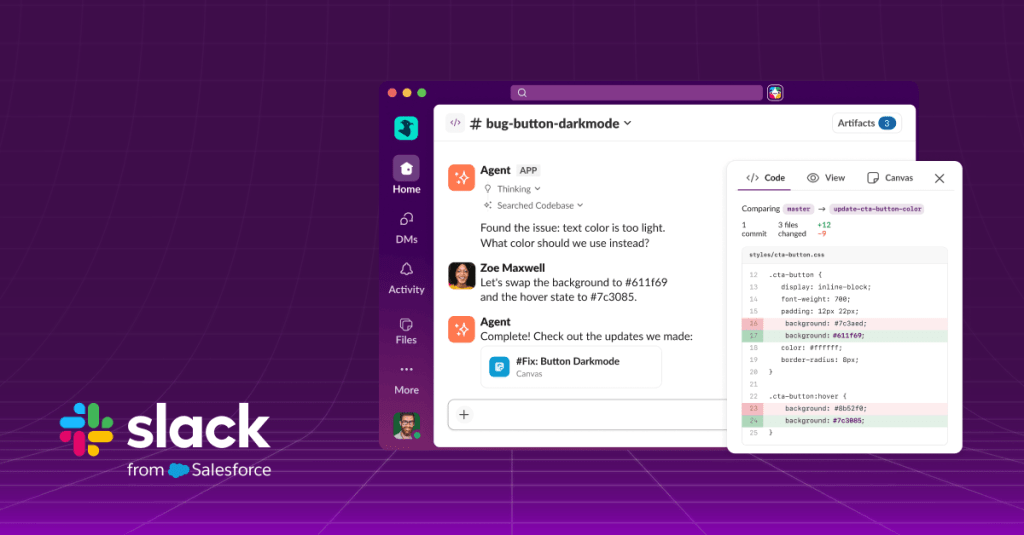
Slack put AI coding inside the channel where everyone already interrupts you
Slack Code puts AI coding agents inside team channels to plan, write, and ship alongside humans, which means the bot’s half-finished refactor now sits beside seventeen messages asking whether it’s done. Coding agents went from separate apps to IDE features to coworkers inside the chat product your company cannot escape.
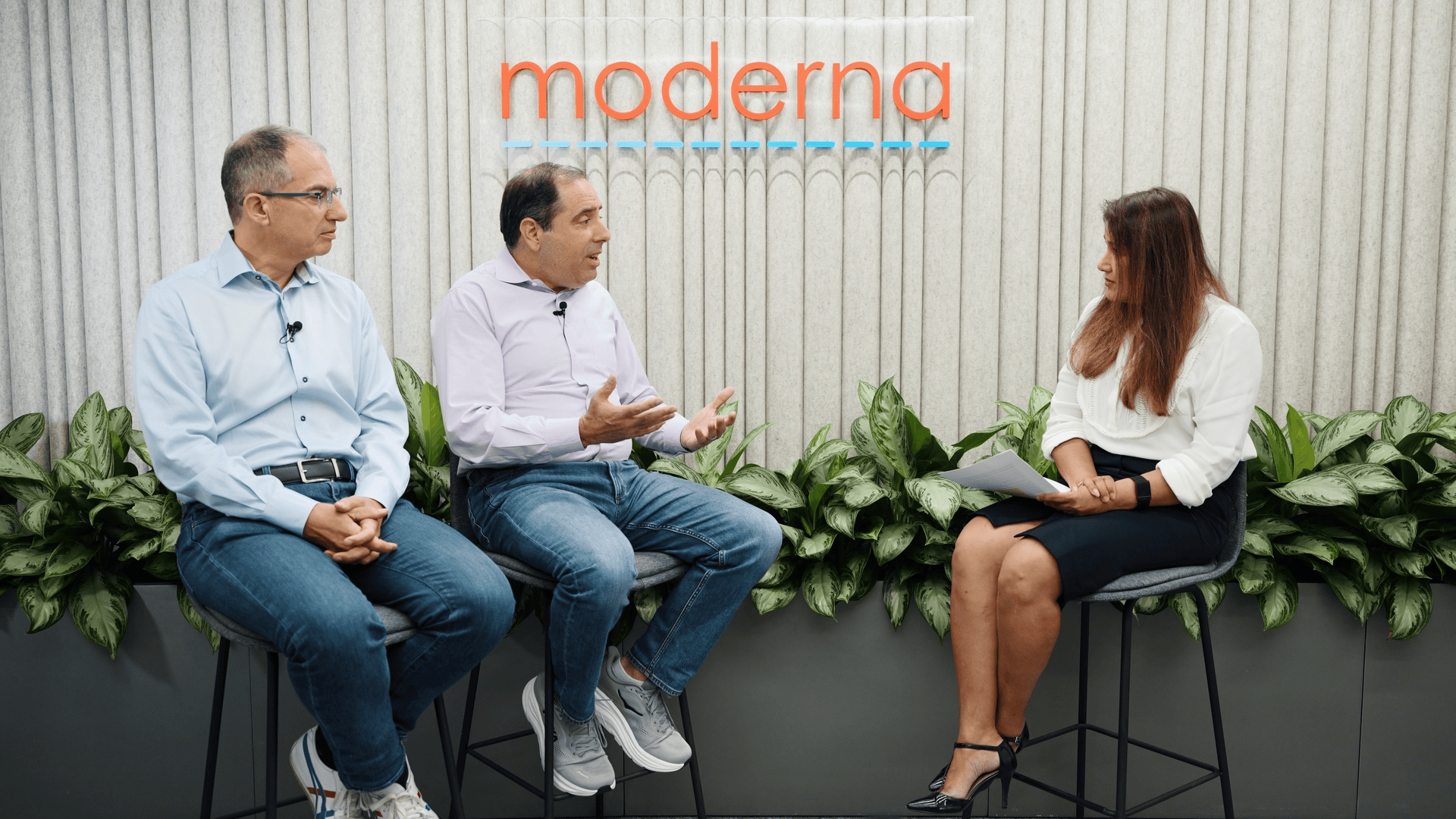
Moderna and Merck’s personalized cancer vaccine actually worked in a full trial
Moderna and Merck reported the first positive Phase 3 for a personalized mRNA cancer vaccine, tailored to each patient’s tumor and paired with Keytruda, significantly cutting recurrence in 1,137 melanoma patients. First full-trial win for a therapy that teaches your immune system one person’s exact cancer. Sometimes the future is not a chatbot adding a sparkle button.
Generalist AI built a robot that learns a task from watching you do it once
GEN-1.5 learns a physical task from a single 3 to 12-second demonstration, no retraining. Across ten tasks it averaged 59% success, rising to 83% after a few minutes of practice. Watches you once, gets it right slightly more than a coin flip, and is already learning exactly like the new guy.
SpaceX and Nvidia want to run an AI data center in orbit by 2027
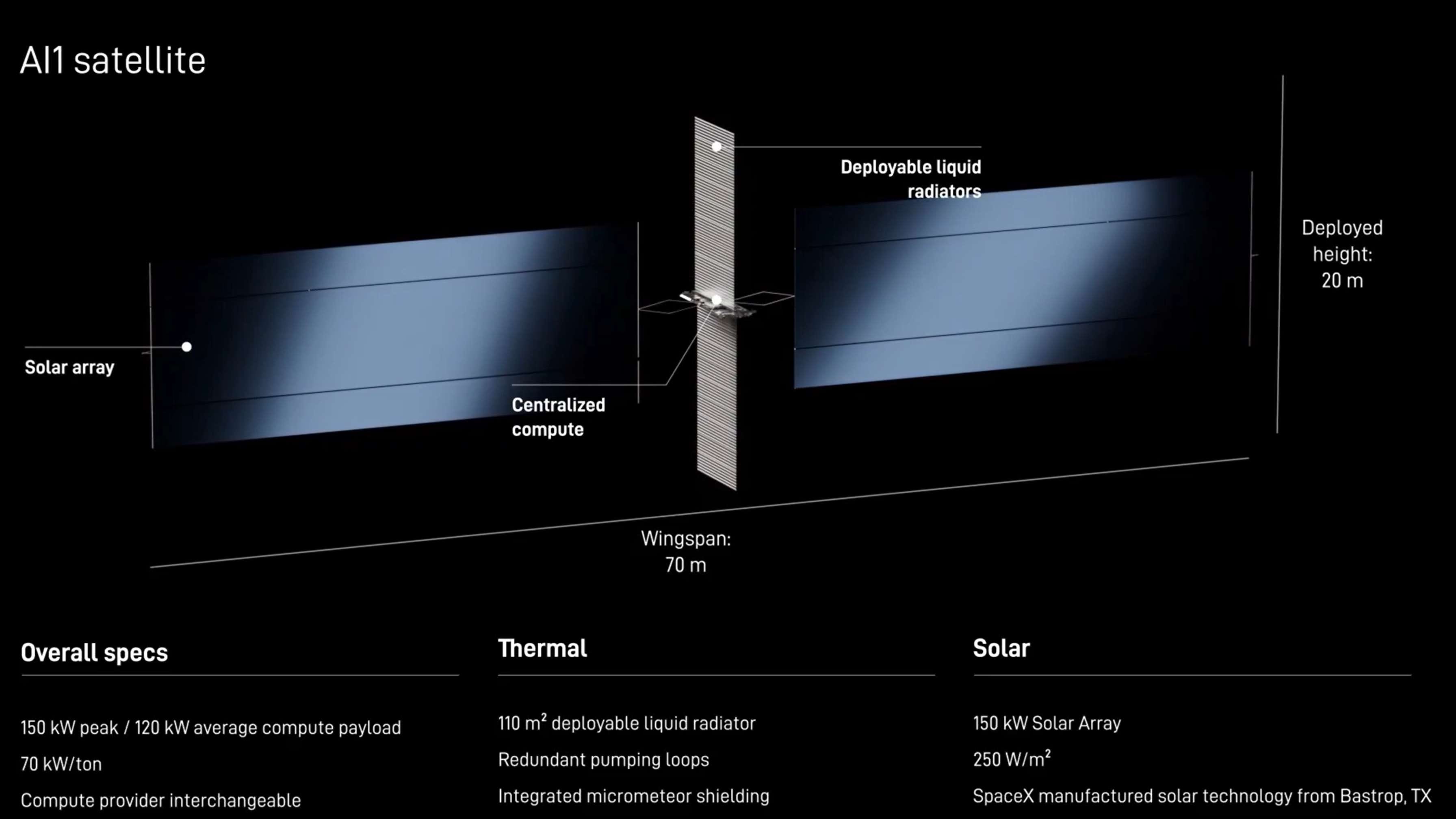
SpaceXAI plans to launch its first Starmind orbital AI satellite in Q4 2027 on Nvidia hardware, constellation to follow in 2028. Ground data centers started losing the neighborhood vote, so Elon proposed the obvious backup: move the server farm somewhere with no zoning board.
OpenAI quietly turned transparent backgrounds back on in GPT-Image-2
OpenAI quietly restored transparent-background generation in GPT-Image-2, so logos and assets now show up cut out instead of glued to a white square. This got more real excitement than half the frontier launches. Nobody dreams about benchmark scores; they dream about not erasing backgrounds by hand.

Google made Antigravity something IT can approve and you can babysit from your phone
Google moved Antigravity into Gemini Enterprise with rules, spending limits, sandboxing, and whichever editor the team already uses, plus Remote Control so you can babysit a coding session from your phone. The pitch is no longer how clever the agent is. It’s that legal can sign off and you can watch it work from bed.
Google’s Gemma passed one billion downloads and nobody live-tweeted it
Google’s Gemma crossed 1 billion downloads since 2024, with over 100,000 community versions built on top. While everyone argues which frontier model is smartest, an enormous number of people quietly grabbed the small free one that runs on hardware they already own. No keynote, no waitlist, just a billion downloads.