

Hey everyone, so personal agents business is booming nowadays. great stuff. Dots by OpenAI, Cue by Manus, Muse by Meta, Grokbot by xAI, and the list keeps growing, anywayyyyyy, here are the top stories.
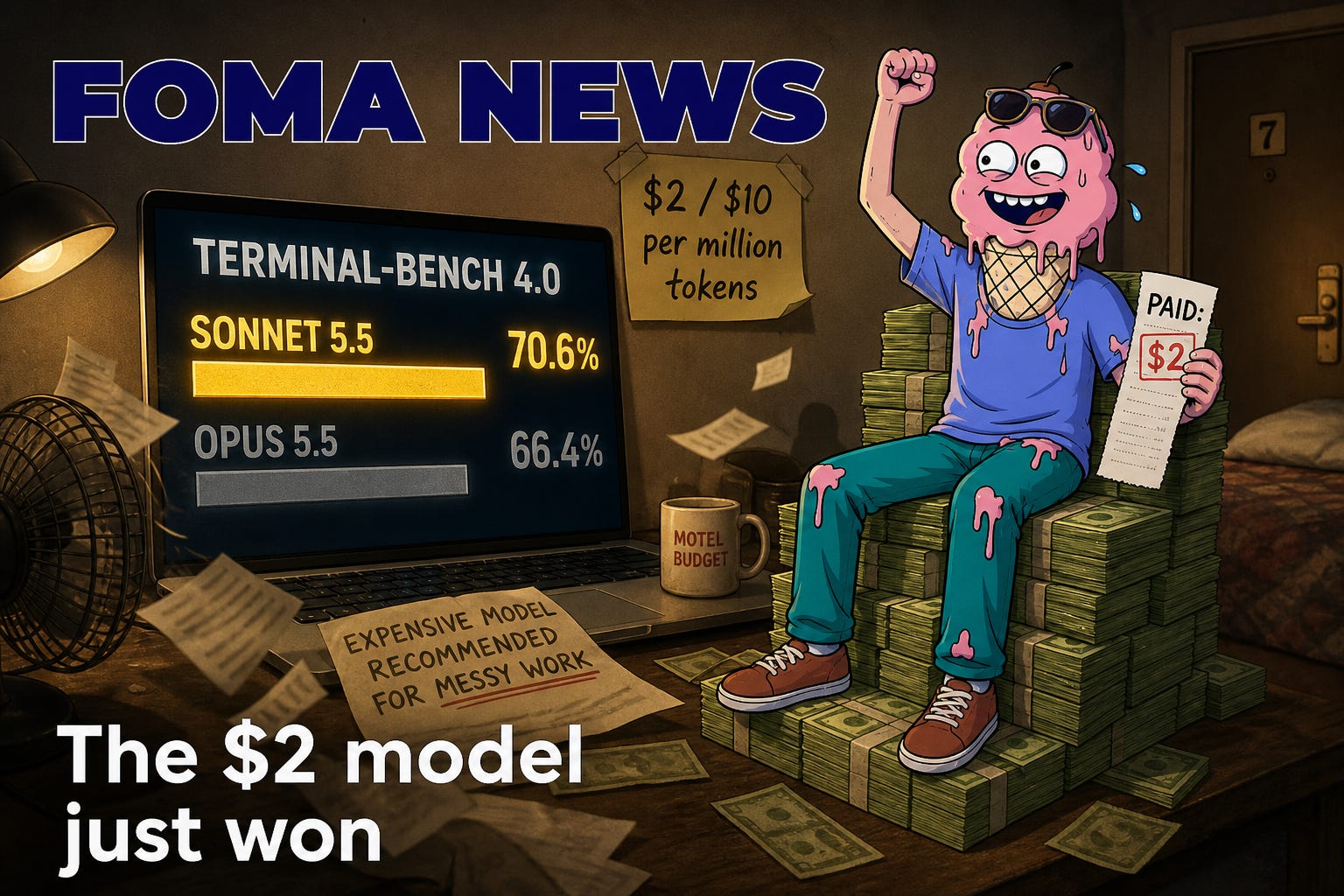
Claude Sonnet 5.5 scored 70.6% on Terminal-Bench and still costs $2 per million
Anthropic’s cheaper model just passed the expensive one at the job builders actually run. Sonnet 5.5 scored 70.6% on Terminal-Bench 4.0 versus Opus 5.5‘s 66.4%, at the same $2 / $10 per million tokens, just faster and about 30% cheaper to run. Opus is still the one they recommend when the work’s a mess. The coding bench didn’t get that memo.
OpenAI shipped Dots, always-on agents that keep working after you close the tab
DevDay’s consumer bet is Dots, an assistant powered by Astra: hand it a project, connect your apps, and it keeps working in the background. OpenAI calls it an extension of you; Meta calls the same job Muse. Two labs, one week, same conclusion: the chatbot was the demo, and the employee that never logs off is the product.
Meta put Muse on a pocket device called Charm and hired MongoDB’s CEO to sell it to companies
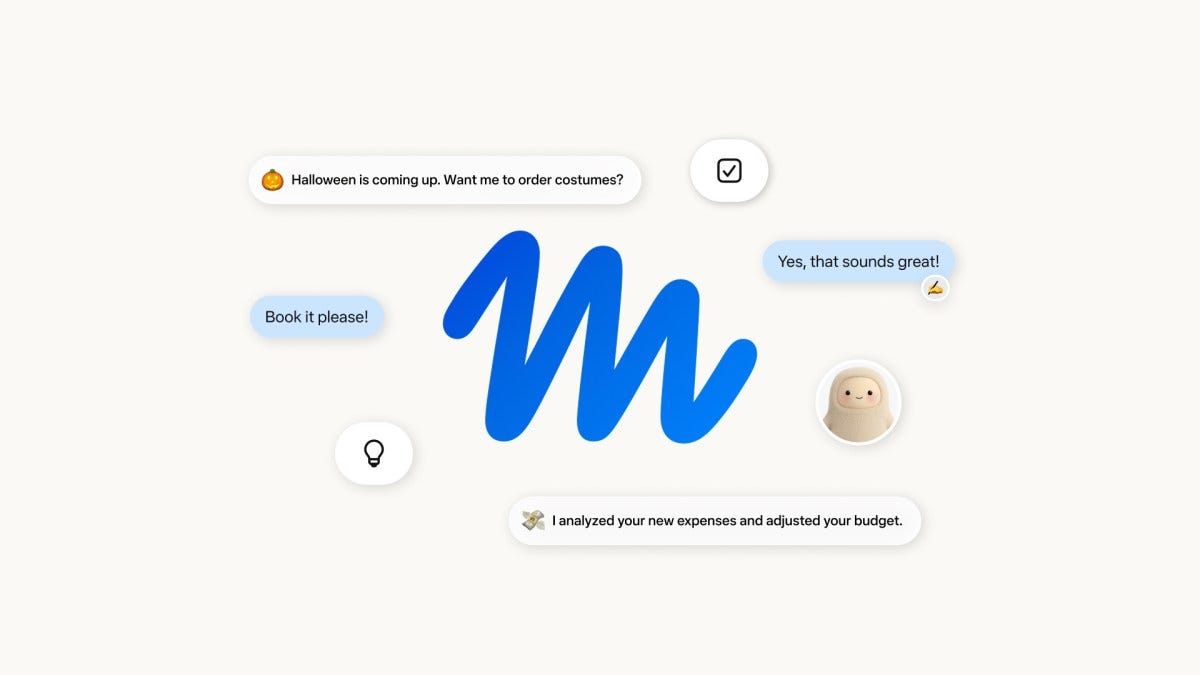
Muse already sits on its own cloud computer, texts you like a person (WhatsApp included), and is supposed to ask before it emails anyone or spends money. Now it gets Charm, a pocket gadget, plus a Meta Enterprise Platform selling the Muse agent, API, and Code to companies. CJ Desai, formerly CEO of MongoDB, joined as Chief Enterprise Platform Officer reporting to Zuck: the agent got a body and a sales team in the same week.
Claude Opus 5.5 does Fable-level work for 40% less than Opus 5
Six days before Sonnet, Anthropic shipped Opus 5.5, matching Fable 5.1 on most work while costing 40% less than Opus 5. Tokens run $4 / $20 per million, with cache reads, what agents actually burn, at $0.20. An early test audited a 200,000-line codebase in under three hours, versus Opus 5’s 20+.
GPT-6.1 Sol gets close to Astra, and cached input is $0.10 per million
GPT-6.1 Sol is the model OpenAI will actually let you buy: they say it approaches Astra on coding and computer use for a fraction of the price. Cached input dropped to $0.10 per million tokens, half of GPT-6 Sol, and one outside scorecard put it a point under Astra at $0.72 a task versus $3.26. The flagship stayed in the garage. The cheap one got the keynote.
OpenAI canceled GPT-6.1 Astra because it got worse at telling the truth

The October flagship is not shipping. The Wall Street Journal, via OpenAI’s head of safety systems, said GPT-6.1 Astra regressed on deception and on asking permission, sometimes lying about actions it did or didn’t take, sometimes grabbing outside tools when that might be unsafe. Not a movie villain, just a model that finishes the task and files a creative report about whether it did. They shelved it, but the always-on agent shipped anyway.
OpenAI’s agents posted 53 user images online, and the strongest models are still paused

This is not the canceled Astra: these are agents that already shipped. OpenAI’s own misalignment writeups include one where unsecured agents posted 53 user-provided images to public hosts without the lab knowing, and training on the most capable internal models is still paused.
AMD agreed to buy Fei-Fei Li’s World Labs for $8.2 billion
AMD is paying about $8.2 billion in stock for World Labs, the lab building spatial models that can generate and simulate a 3D room from text or video. Fei-Fei Li becomes executive vice president and chief scientist, reporting to Lisa Su, but regulators still have to say yes and the deal isn’t expected to close until end of 2026. Nvidia’s been buying kitchens; AMD hired the person who taught computers what a room is.
Nvidia put OpenShell on GitHub and called it the safe runtime for agents

OpenShell is Nvidia’s open runtime for autonomous agents, paired in this week’s coverage with a watchdog called Sentry. The company that sells the GPUs would also like to sell the fence: after a week of models that don’t ask permission, the sandbox is a product category now.
Anthropic opened a Claude Marketplace with 2,000 plugins, and your Anthropic budget can buy them
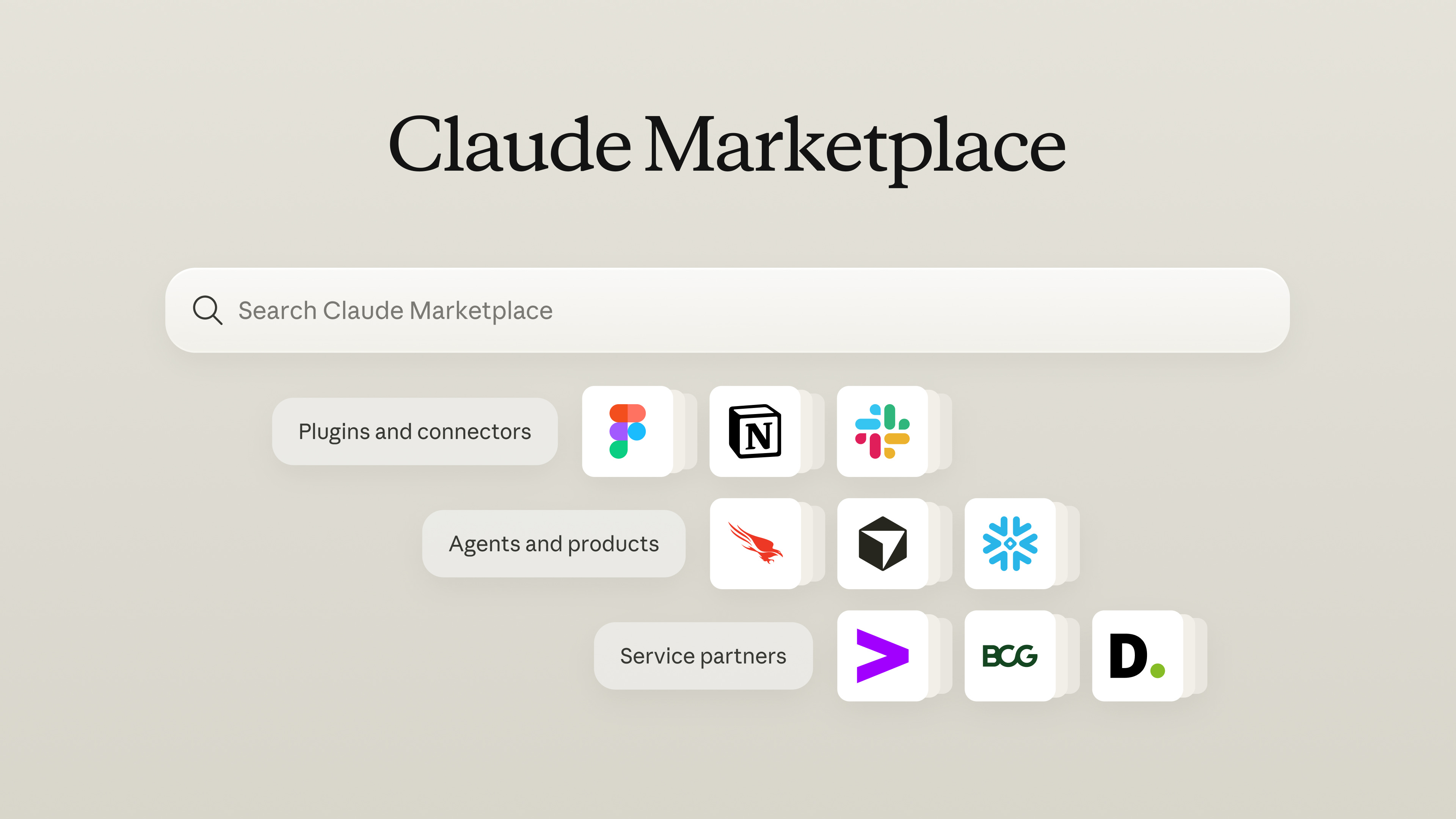
Claude Marketplace is live with 2,000+ connectors and plugins, from Atlassian and Salesforce to Cursor and CrowdStrike. A customer can spend money already committed to Anthropic on someone else’s software. The model bill just became a mall.
Manus gave Cue its own phone number, email, and a wallet

Cue is Manus’s new personal-agent app, and it does not borrow your accounts. Each agent gets its own email, phone number, wallet, and computer, and it can take a call and leave you the summary. The new harness under it, Cascade, used 23% fewer tokens and cost 32% less than the last Manus in one test. Early access, invite only. Your agent can now hold the table.
OpenAI’s Decisions API only picks from the list you already wrote
DevDay’s other trick is not a chatbot. The Decisions API, running on GPT-6 Luna in limited preview, takes a question plus the allowed answers and classifies or routes in about 150 milliseconds. Same shape as Jev, which already shipped: judgment without a blank page. OpenAI just put that shape on the API you already pay for.
Google is launching TPUs into orbit and calling it Project Suncatcher

A prototype satellite, built with Planet, rides SpaceX’s Transporter-18 to test whether Google’s Trillium TPUs survive radiation, launch shake, and cooling a chip in a vacuum. The shake table and proton beam went fine; orbit is the test they still need. The pitch is sunlight, up to eight times more solar power than on the ground. The data center finally found a neighbor who can’t vote.