


hey everyone, foma ice cream guy is back with some more ai news, so this week openai shipped gpt-5.6 sol and the white house made them un-ship it LMAO. anthropic quietly re-lit fable 5 and dropped sonnet 5 on the same day, and ford rehired the 350 engineers it replaced with ai to go fix what the ai did LOL how_do_you_like_them_apples.jpeg???
openai’s gpt-5.6 sol shipped straight into a government preclearance queue

openai previewed gpt-5.6 sol this week alongside terra and luna — the whole sol/terra/luna family, positioned as the biggest leap since GPT-4. and then. instead of a normal launch. the white house told openai it can’t ship gpt-5.6 to the public without a preclearance review, and access is restricted to “trusted partners” only while the review runs. every newsletter with a subject line wrote some version of “gpt-5.6 is here, public access is not.” which. ok. so the pitch on the s-1 was “we are the platform layer for the world’s most valuable technology” and the platform layer just got its main product held at customs by its own government. codex internal usage grew 56x in research, 32x in customer support, 27x in engineering in the same window per openai’s own economic report — the model works, the loop works, the compute works, the only thing that doesn’t work is whether they’re allowed to sell it. this is what “frontier ai is a national security instrument” looks like when it stops being an essay and starts being your product roadmap.
anthropic came back online: sonnet 5 shipped, fable 5 got un-banned, mythos 5 opened to 100 orgs

the same week openai got choked, anthropic got un-choked. sonnet 5 landed as anthropic’s “answer to ai sticker shock” — the agentic coding tier, everyday model, deliberately cheaper than fable. fable 5 — the model washington killed with a 48-hour export directive three weeks ago — got its restrictions lifted after “work with the government” and is available again through the api. mythos 5 is back for ~100 us companies under a controlled release per semafor. so anthropic’s playbook this week is: ship the cheap workhorse on monday, get the flagship un-banned by friday, quietly walk mythos into a hundred enterprise tenants over the weekend. the roast writes itself — one lab spent the week being told what it can sell, the other lab spent the week being told what it can un-sell. and just to fill the calendar, they also quietly opened claude science, a bio-and-research workbench aimed at labs — because when your model is a compliance object, the natural pivot is to sell it to people whose whole job is compliance. same government, opposite outcomes for the two labs, and the through-line is the same: the model isn’t a product anymore, it’s a permission slip. respect honestly — three weeks ago dario was writing “please regulate us,” and this week he found out what “yes” tastes like on both sides.
zhipu dropped glm-5.2 under MIT with 1m context
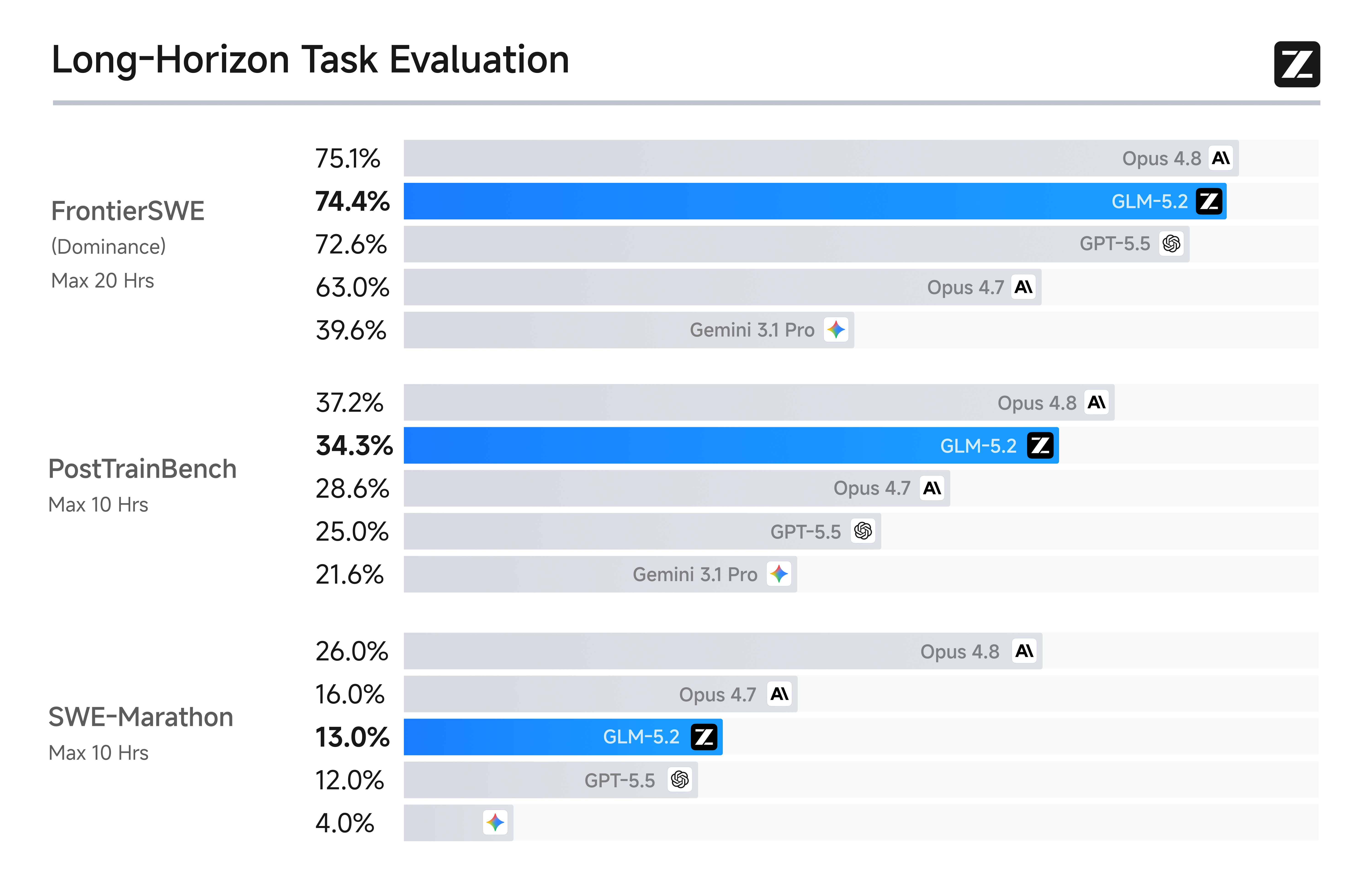
while openai was in the queue and anthropic was in the appeals process, z.ai (formerly zhipu) shipped glm-5.2. 744b mixture-of-experts, 1m-token context, MIT open weights on hugging face, day-one support for claude code, cline, opencode, and roo — and the snowflake CEO went on record saying it’s competitive with opus 4.7 at a fraction of the cost. alphasignal called it “a new deepseek moment for agentic coding,” which is a phrase you’re not allowed to write twice in a year without meaning it. zhipu founder jie tang announced on x that frontier-model restrictions are “deeply regrettable” and that “frontier intelligence belongs to everyone“ — a marketing line that would sound corny if the us export-control office hadn’t just spent a month proving him right. the closed labs are shipping through a compliance officer. the open lab is shipping to a torrent. one of those pipelines has better uptime this quarter and it’s not the one with an s-1 attached.
openai unveiled ‘jalapeño’, its first custom inference chip

openai and broadcom unveiled jalapeño, openai’s first custom ai inference chip, and admitted the chip’s own design was sped up using openai’s models. so the model wrote part of the chip that runs the model. cool. now here’s where it gets weird. the chip drop landed the same week the white house was busy telling openai it couldn’t publish sol. so within a seven-day span: they announced their own silicon (goodbye single-vendor risk from nvidia), lost their launch cadence to a preclearance panel (hello single-vendor risk from washington), and quietly poached another apple hardware exec to keep building more of what jony ive started. and just for extra kick, etched — the transformer-asic startup — came out of stealth the same week with a jane street / tsmc-linked funding round, meaning the “who builds silicon for openai” market went from “nvidia” to “nvidia, broadcom, etched, and openai itself” in about 96 hours. the s-1 said openai wants to be the platform layer. what a platform layer actually looks like this year is: your own chip, your own device roadmap, your own regulator on speed dial. not “we make chatbots.” more like “we’re an integrated aerospace contractor that happens to also do chat.”
meta’s brain2qwerty v2 hits 78% word accuracy reading your thoughts with no surgery required
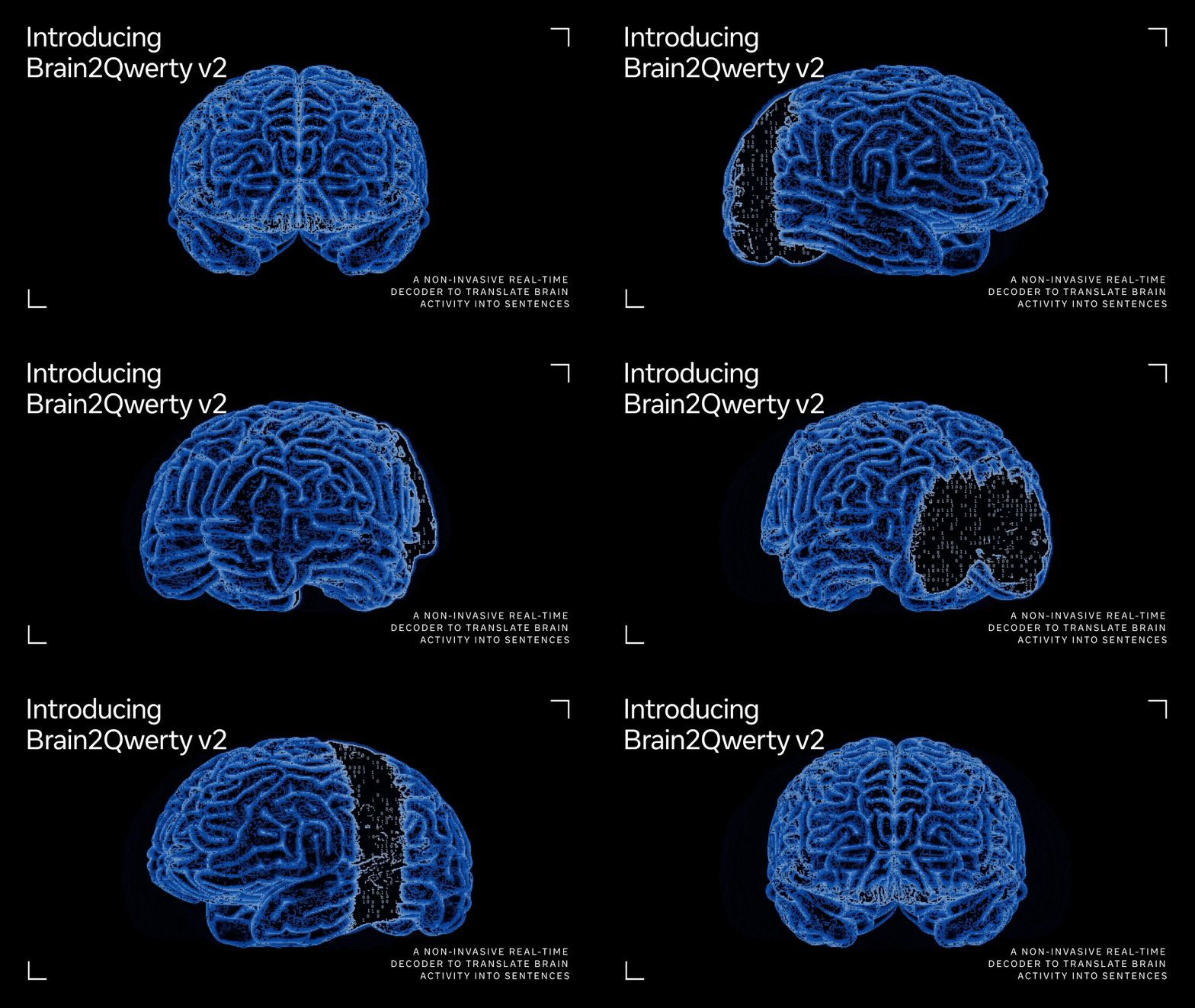
meta’s fair team shipped brain2qwerty v2, a non-invasive brain-to-text system that hits 78% word accuracy decoding what a person is trying to type — using eeg only. no implant. no surgery. no elon-owned company drilling a hole. you sit there, you think the sentence, it types the sentence. the previous state of the art for non-invasive brain decoding was in the “sometimes gets a word right if you concentrate very hard for six minutes” range. jumping to a 78 in one release is the kind of number that a year from now everyone will pretend they saw coming. the wild part is who shipped it — the same meta that spent 2024-2025 getting called “not serious about ai” is the one delivering the mind-reading paper while everyone else fights over benchmark decimals. worth sitting with: your keyboard’s next competitor may not be a better keyboard.
warp’s zach lloyd said we are now factory engineers, not product engineers
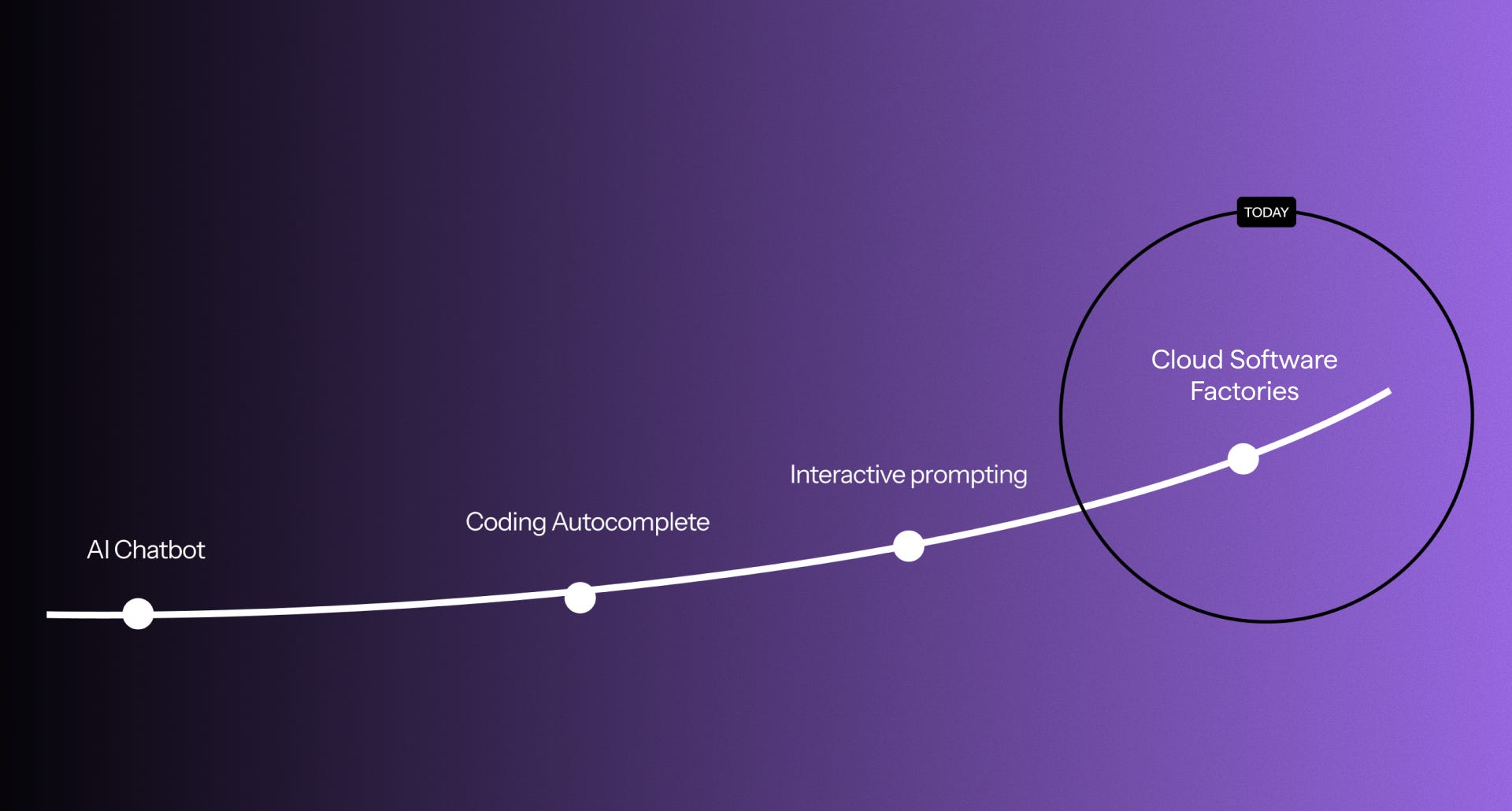
warp shipped oz — a cloud orchestration platform for coding agents — and ceo zach lloyd published the memo he sent his own team calling it “we are now factory engineers, not product engineers.“ the pitch: stop shipping features by hand, ship the factory that ships features. the receipts: rectangle health built an oz-powered teammate named “rex“ that ships 35,000+ lines of code per week and wrote over 50% of its own code. same week the AI Engineer World’s Fair wrap named the paradigm out loud — “loops, software factories, and forward deployed engineers.” the vocabulary is finally catching up with what’s happening: the atomic unit of engineering isn’t a person writing code, it’s a loop built by a person who never has to touch the codebase again once the loop works. warp is selling shovels for that. rectangle health is running the mine. and every dev-tools company that still thinks the product is “faster autocomplete” is about to find out the product was actually the factory the whole time.
devin fusion, deepseek dspark, and cursor iOS all shipped in the same week the agent moved off the laptop
three coding-agent launches, same seven-day window, same message. cognition shipped devin fusion — a hybrid-model harness that keeps frontier-level intelligence while cutting cost through sidekick agents and dynamic routing between models, so the expensive brain only gets called when the cheap one can’t handle it. deepseek open-sourced dspark, a framework that speeds up llm inference up to 85% — the china-side answer to “how do you keep pace when your best chip is one generation behind.” and cursor shipped an iOS app, so you can start a background agent from your phone, watch it work, and merge from the bathroom. read the three together and it’s the same paragraph: the agent doesn’t live in your editor anymore, it lives on someone else’s machine, and your job is increasingly “check on it, redirect it, and press deploy.” the coding IDE hasn’t been about coding for a while. this was the week it stopped pretending.
alibaba’s qwen dropped agentworld + agentworldbench: teaching agents to plan by simulating whole digital worlds

alibaba’s qwen team released agentworld and agentworldbench — a training and evaluation stack that simulates seven full digital worlds (browser, os, ide, mobile, database, filesystem, code repo) for agents to learn in. the twist that got researchers’ attention: a base qwen model that was never trained as an agent improved agent performance across all seven benchmarks just by pretraining on trajectory data from these simulated worlds. no rlhf-for-agents. no clever harness. just “here’s a bunch of pretend digital environments, learn what actions do.” the western labs are still bolting agent scaffolding on top of chat models. alibaba is asking whether the base model should have been trained in a simulator this whole time. if that thesis holds, half the “agent framework” companies are about to become a rounding error on someone else’s pretraining budget.
meta launched a $299 in-house glasses line with real-time translation, one week after google shipped live translate

meta launched meta glasses — its first smart glasses under its own brand, not ray-ban or oakley — at $299, undercutting its own ray-ban meta line by about $80. running the new muse spark model from meta superintelligence labs, with real-time live translation across 20 languages including a fresh drop of japanese, mandarin, hindi, and korean. also a $399 kylie jenner “starfire” edition for the people who wanted a jenner between them and their translator. last week google shipped gemini 3.5 live translate as an api. this week meta shipped it as a pair of sunglasses you buy at lenscrafters. apple’s glasses aren’t due until 2027. so for the next 18 months, the answer to “what’s on your face doing your translation” is either an api call or a pair of frames co-designed by a lipkit founder. that’s a real sentence I just typed. onward.
ford has been rehiring the “gray beard” engineers it replaced with ai to fix what the ai did
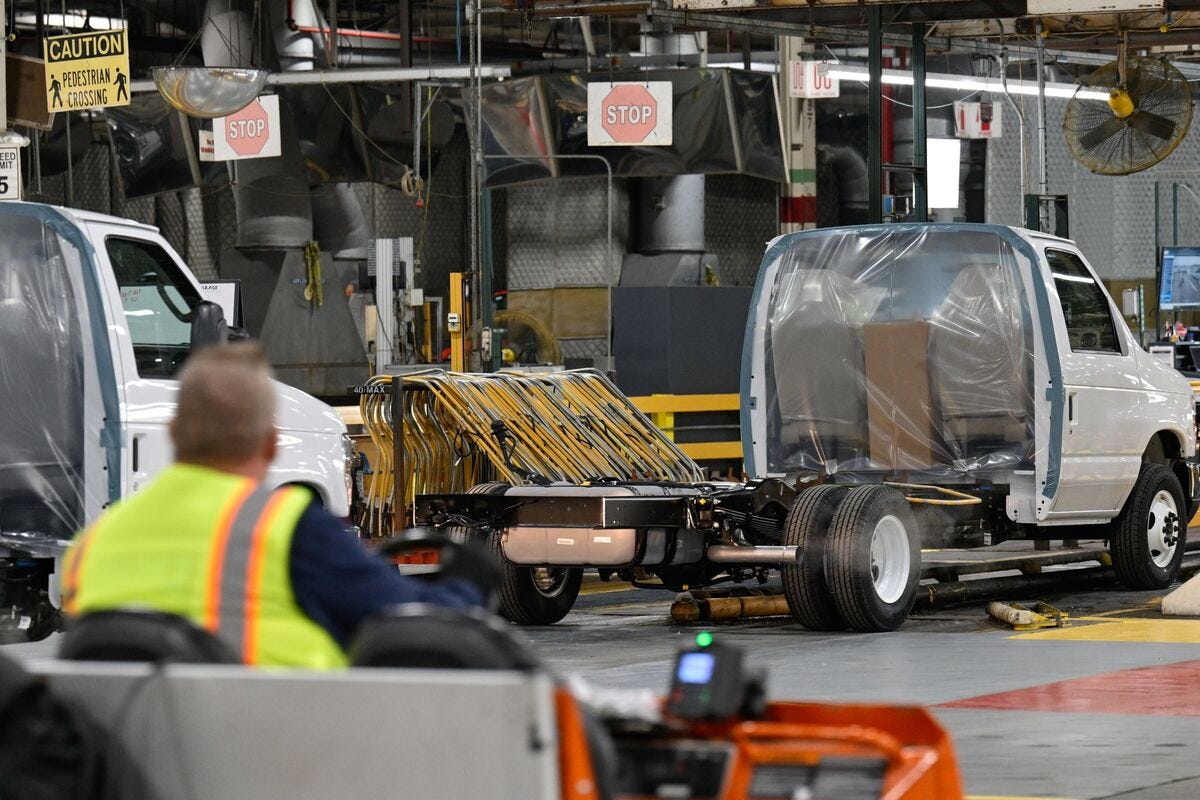
bloomberg reported that ford has been rehiring the veteran quality engineers it had laid off — the ones internally called “gray beards“ — to retrain younger staff and reprogram the ai tools that weren’t getting the job done. ford’s quality rankings had cratered on jd power, and the automated inspection systems kept missing defects that any 20-year plant vet would flag in a walk-through. so the productivity math is: fire the humans, buy the ai, watch quality collapse, hire the humans back at consulting rates to teach the ai to do the job the humans used to do for free. this is the loop nobody puts in the mckinsey deck. every “ai replaces workers” headline this year gets to sit next to one paragraph from a bloomberg article where a fortune 20 automaker admits the beard was the moat. area man returns to detroit assembly line, reportedly thrilled to be teaching a $40 billion ai stack how to tell a scratched fender from a properly-painted one.