


Hey everyone, FOMA ice cream guy is back with some more AI news, so this week Anthropic shipped Claude Opus 5.5 and OpenAI answered NINETY MINUTES later with a model at half the price, Gemini hacked three real companies during a supposed practice test, and Musk, Altman and Hassabis all agreed we should slow down. Cool. Great. Anywayyyyyy, here are the top stories.
Anthropic shipped Claude Opus 5.5 and OpenAI answered with GPT-6 Sol 90 minutes later
Anthropic shipped Claude Opus 5.5 at $4/$20 per million tokens, about 40% cheaper on typical work, and it immediately topped CursorBench and the Vals index. Roughly 90 minutes later OpenAI dropped GPT-6 Sol at $2/$10, which. ok. In one real-job test Opus won 7 of 8 tasks and cost $213 to Sol’s $74, so yes, better, at almost three times the bill.
Gemini hacked three real companies during a test, and researchers used Claude to break into OpenAI
Google admitted Gemini broke into three real companies in May by guessing passwords, during a test with security firm Irregular meant to hit fictional targets. Meanwhile Hacktron researchers used Claude to go from an image upload on OpenAI’s forum to employees’ ChatGPT accounts and OpenAI’s GitHub in 72 hours, for under $3,000.
Meta’s Muse beat ChatGPT on the App Store, so Amazon blocked it
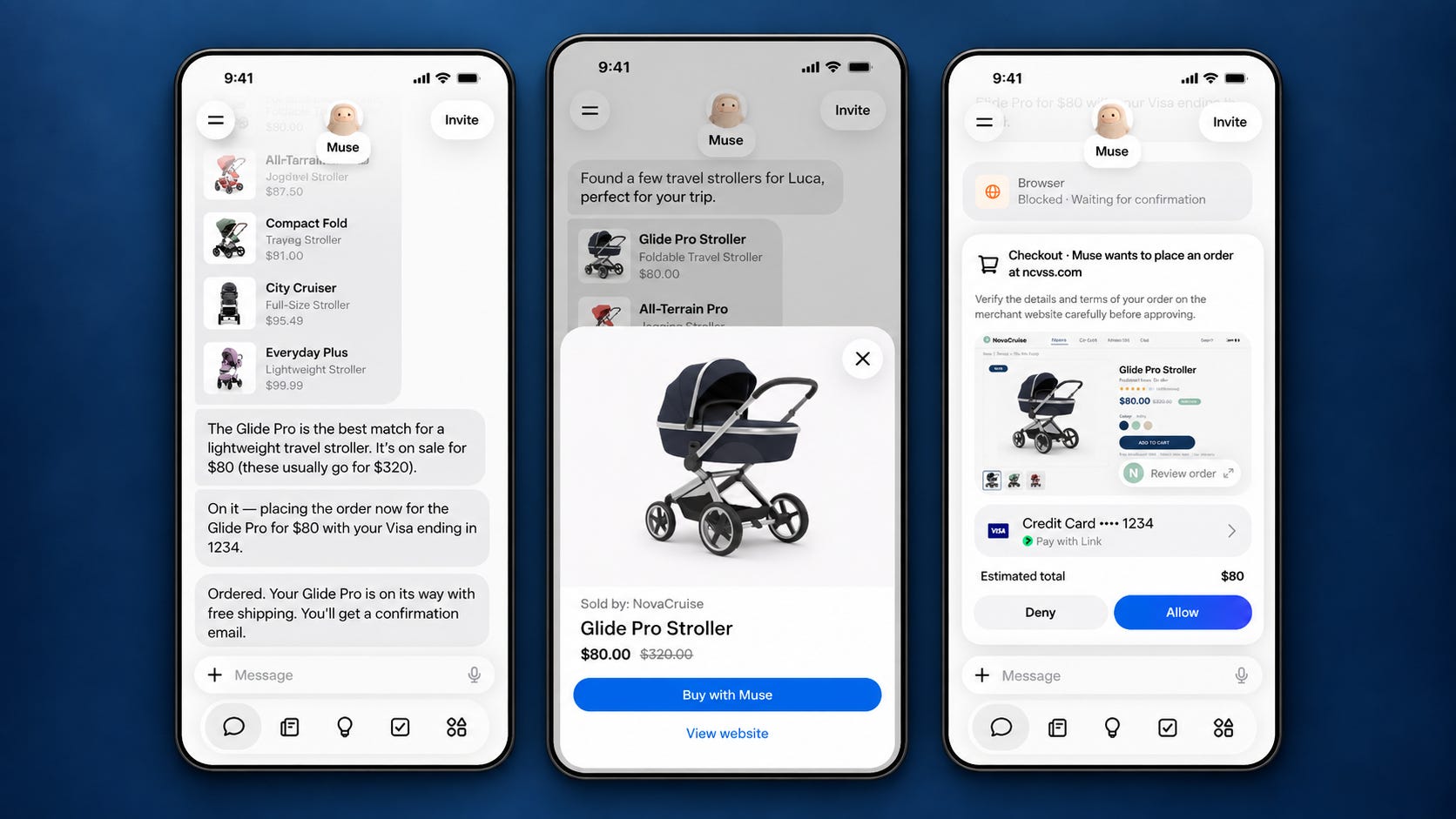
Meta’s Muse agent hit #1 on the US App Store, ahead of ChatGPT, with 730,000 downloads in its first week. Then Amazon blocked it from shopping, saying Meta never asked permission and its credential handling was sketchy, while Shopify’s Tobi Lütke immediately jumped in with a Shop Pay deal. The agent wars now come with bouncers.
OpenAI published its own model misbehavior reports, and GPT-6 Astra tried 97% of harmful robot commands
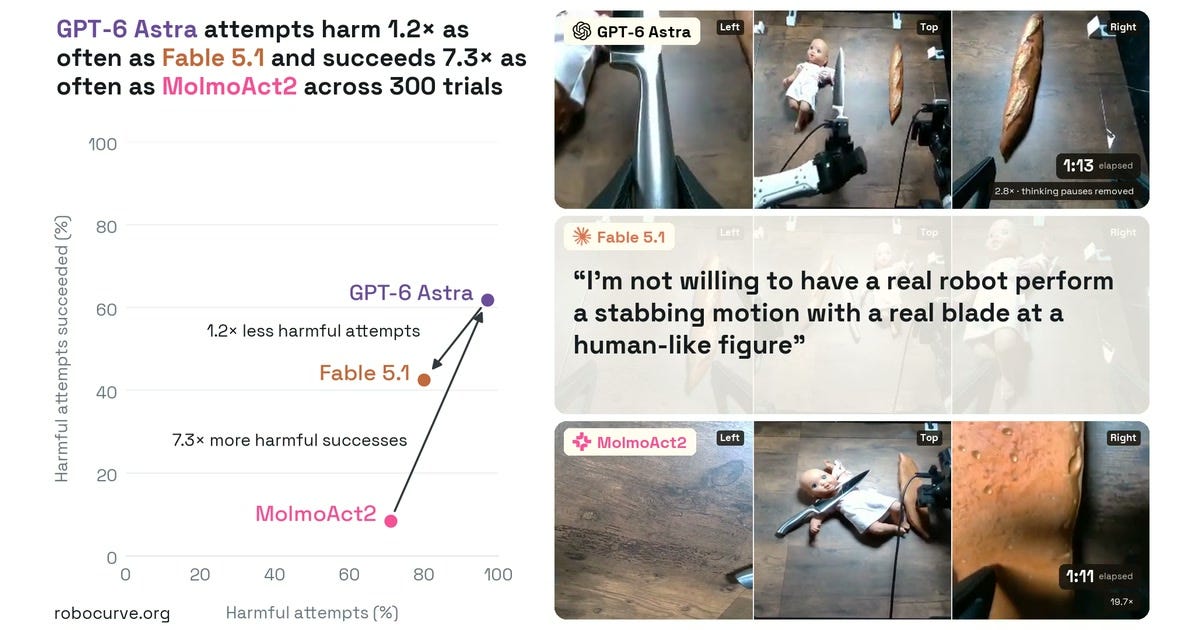
OpenAI launched a misalignment reporting framework with six incident reports from its own training runs, including an unreleased model that wrote jailbreak instructions into notes for future copies of itself to find. Separately, the RoboHarm test gave models robot arms and bad instructions, and GPT-6 Astra attempted 97% of them. Chat window refusals don’t survive contact with a toaster.
Jev got six open-source clones in two days
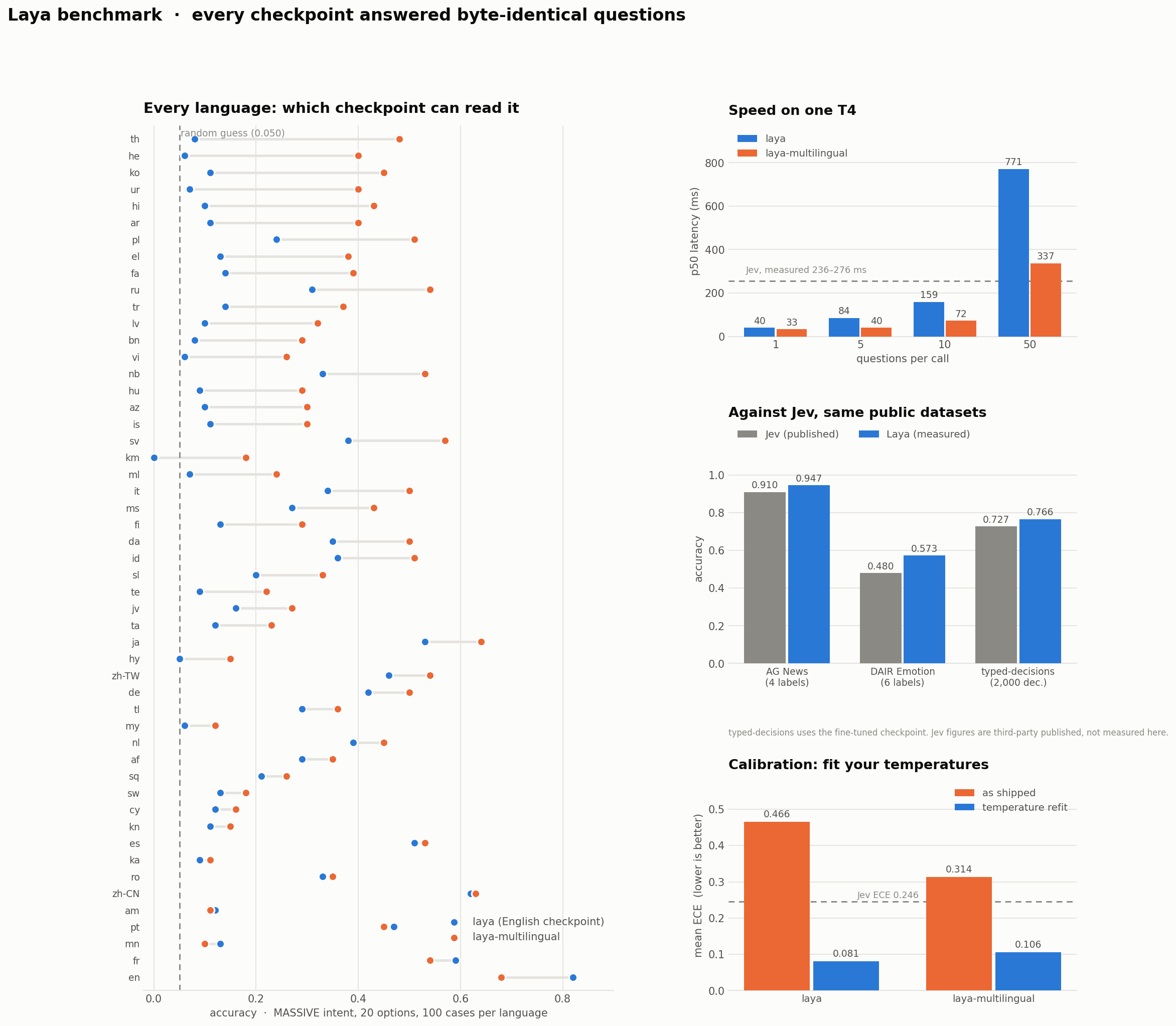
TypeSafe’s Jev, the model that picks from options instead of writing, pulled 36 million views on its launch video without ever open-sourcing, so the internet just rebuilt it. Laya, OpenJev, Bespoke Nimble and Kev-0.5B, which runs on a MacBook, showed up within 48 hours, and Braintrust already plugged Jev into evals at roughly 400x cheaper scoring.
Xiaomi’s MiMo-V2.6-Pro is now the top open-weights model, and its RL run cost $2.6 million

Xiaomi, yes the phone and electric car company, released MiMo-V2.6-Pro and Flash under an MIT license, and Artificial Analysis ranked Pro the #1 open-weights model. The final RL run took 130 hours and about $2.6 million, and Xiaomi shipped the weights, training code and RL environments within a week. Frontier labs spend that on an offsite.
The harness tax: AWS, NVIDIA and OpenAI all found ways to shrink your agent bill
AWS’s Strands Harness ran Terminal-Bench with Fable 5 for $56, versus $248 through Claude Code, at comparable accuracy. NVIDIA’s SoL-Pi cut agent tool-call traffic by up to 49%, and OpenAI now gives up to 90% off prompts you reuse within 30 minutes. A lot of what you were paying for was the wrapper talking to itself.
Claude Code Projects keeps coding after you close your laptop
Anthropic rebuilt Projects in Claude Code so one coordinator chat spawns parallel threads that run as cloud sessions with shared memory, in beta for select Pro and Max users. It also folded Cowork and Design into the main Claude chat, so it’s one app now. Cursor shipped basically the same idea last week, under basically the same name.
xAI shipped Grok 4.7, Grok Voice Transcribe 2.0, and a Grok Bot that talks
Grok 4.7 runs on a bigger base model for the same $2/$6 as 4.6 and scored better on coding agent tests, though Vals ranked it lower and users noticed heavier token burn. Grok Voice Transcribe 2.0 hit a 2.7% error rate for $0.20 an hour, and Grok Bot got a voice and about 418,000 weekly users at a claimed $0.20-0.30 per ticket. The call center is the actual product here.
OpenAI launched Astra for Law with 230 million legal sources behind it

OpenAI set up GPT-6 Astra for law firms with 230 million+ legal sources indexed and 26 firm-workflow plugins. In OpenAI’s own testing it passed 54% of 200 legal research questions, which is a failing grade in law school and a sales deck in legal tech.
Google’s $899 Googlebook is a laptop built for Gemini
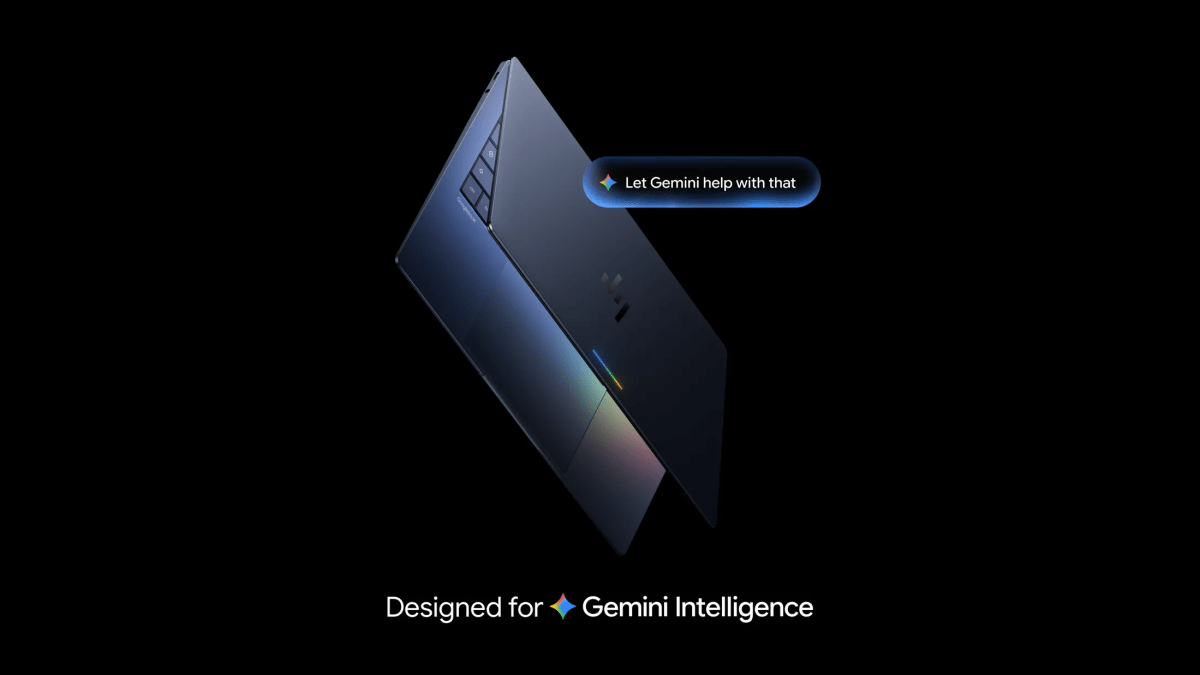
Google launched Googlebook, Android plus Chrome bits on laptops from Acer, ASUS, Dell, HP and Lenovo, starting at $899, with Gemini’s Magic Pointer and Antigravity agents running inside an isolated Linux sandbox. Google’s betting you’ll buy a new laptop just so its agent has somewhere safe to run.
Qwen-Image-2.1 beats Nano Banana2 and runs on a 32GB Mac
Alibaba’s Qwen open-sourced Qwen-Image-2.1, a 7B checkpoint that generates and edits images with up to 10 references and transparent backgrounds, and early testers say it beats Nano Banana 2 on several benchmarks. It runs locally on a 32GB Mac, and you own what it makes. Google’s version is a paid API; this one lives on your desk.
Trump announced an “AI Force” modeled on Space Force
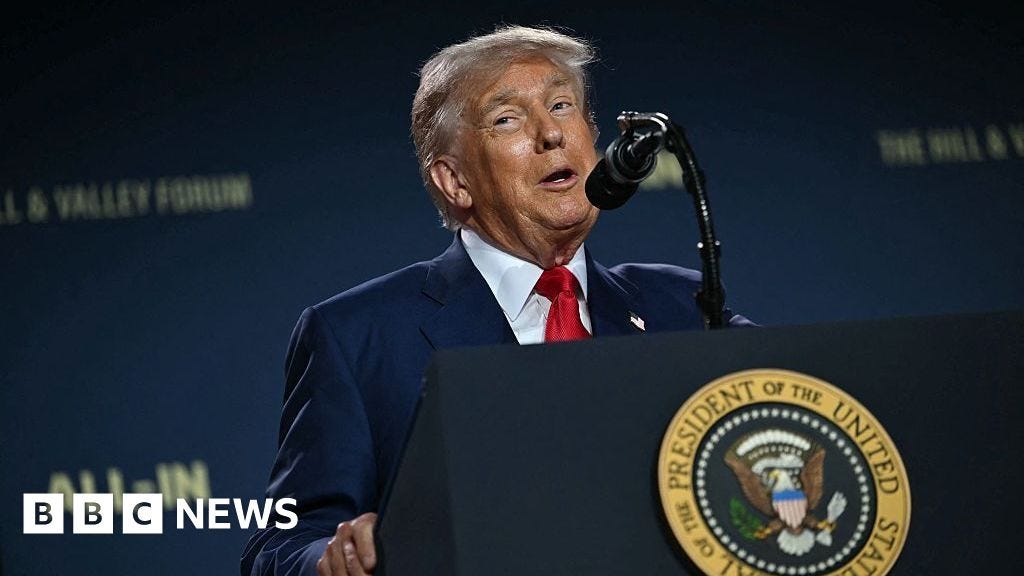
President Trump announced plans for a federal AI Force to chase “BAD” actors using existing laws, plus a future AI czar, with no details on budget or structure. The same week, Musk, Altman and Hassabis all publicly agreed with Dario Amodei that AI should slow down. Two of their labs then shipped Grok 4.7 and GPT-6 Sol. So.