


so this week midjourney built a medical body scanner that dunks you in a hot tub, openai’s next model leaked so hard prediction markets are taking bets on the hour, and sakana shipped a model whose entire job is calling other models. anywayyyyyy, here are the top stories.
midjourney built a full-body scanner and wants to open a medical spa
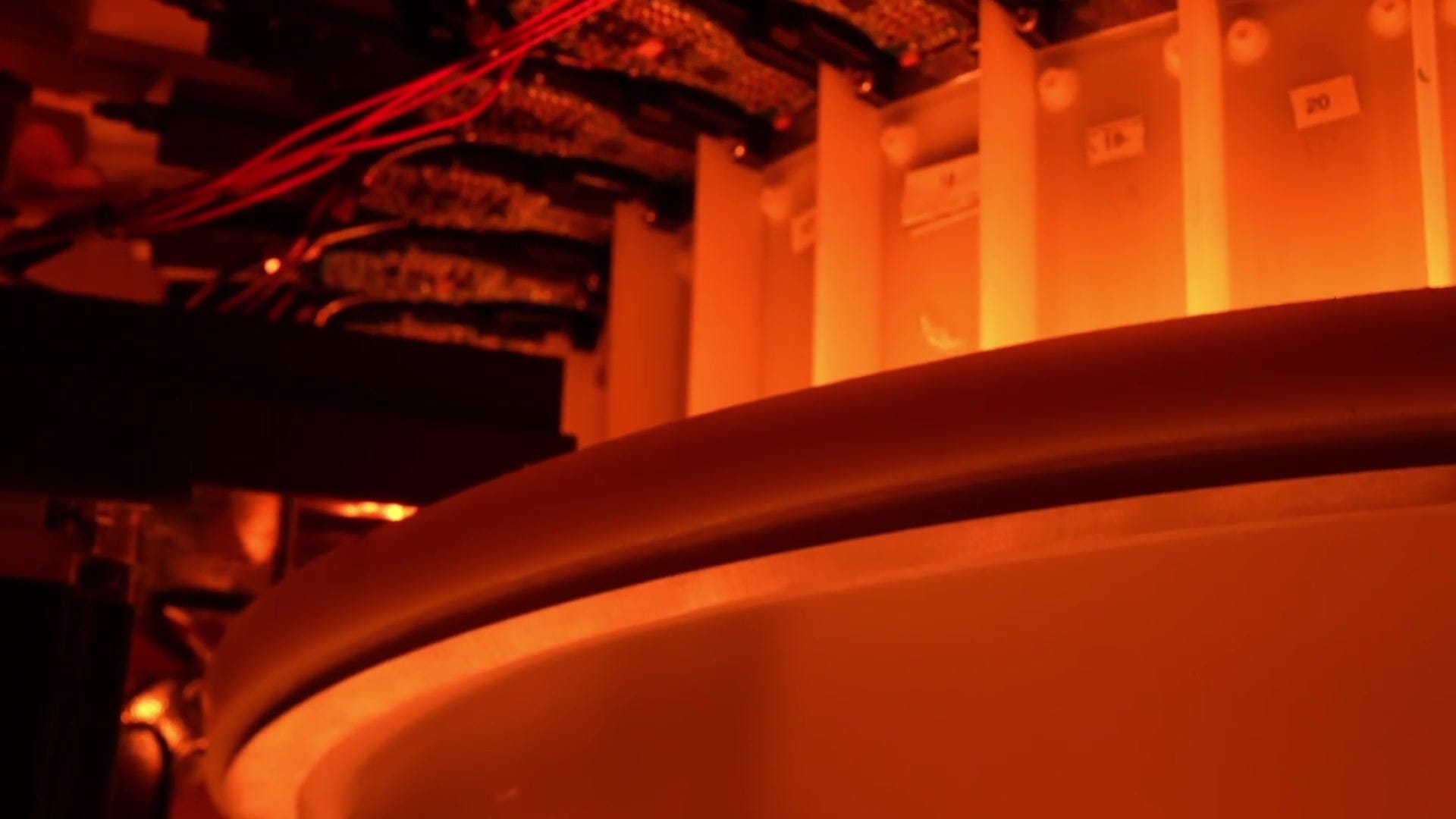
the company that makes cat pictures just announced a medical device. midjourney medical is a new division, and its first product is the midjourney scanner — a full-body ultrasound ring that images your insides in 60 seconds while you sit in a pool of warm water. no radiation, no magnets, no hospital gown. a ring of sensors fires 358,000 ultrasonic transducers through your body, generating terabytes per second, reassembled into 3D cross-sections of muscle, fat, bone, and organs. holz says it’s “in many ways comparable to MRI” at nearly 100× the speed. the plan: a 25,000 sq ft midjourney spa in san francisco by late 2027 — scanners, saunas, cold plunges, rooms bathed in “pools of golden light.” long-term target: 50,000 scanners worldwide by 2031. the catch: zero FDA clearance. they’ll start with body composition maps that don’t require diagnostic approval and submit incrementally. butterfly network’s SEC filing shows a $74 million hardware deal. so the AI image company is spending real money on real hardware for a product it cannot yet legally call medical. about a dozen people have been scanned so far.
gpt-5.6 hasn’t launched yet but prediction markets are already pricing the hour
I genuinely can’t remember the last time an unannounced model got more press than most shipped products. gpt-5.6 showed up briefly in codex routing logs, jakub pachocki reportedly called it a “meaningful improvement” over gpt-5.5, and polymarket placed the june 22–28 window as the most likely launch week with $1.1 million in betting volume. the rumored specs: 1.5 million token context (43% above gpt-5.5’s 1M), a may 2026 training cutoff, and a redesigned reward audit pipeline addressing the alignment failure from openai’s “where the goblins came from” post-mortem. testers claim gpt-5.6 pro built a fully functional sims-style 3D simulation game in a single shot — one HTML file, under 48 seconds. the real signal underneath the leak circus: openai is aiming gpt-5.6 at agentic coding — models that use tools better, check their own work, fix mistakes, and ship something closer to finished. the model war is becoming a workflow war. not who talks smartest. who ships the finished thing.
openai launched daybreak, a cybersecurity platform with its own model
while everyone was sniffing gpt-5.6 breadcrumbs, openai quietly shipped something nobody was watching: its first dedicated security product. daybreak expanded this week with codex security (automated vulnerability scanning), gpt-5.5-cyber (a model fine-tuned specifically for security tasks, in limited release), a cyber partner program, and patch the planet — an initiative paying open-source maintainers to fix bugs with codex assistance. this isn’t openai bolting “security” onto chatgpt. it’s a vertical product with its own model, its own partnerships, and its own open-source funding arm. while anthropic’s fable 5 is getting export-controlled by washington, openai is building the security stack that governments might actually want to buy.
sakana shipped a model whose job is calling other models

sakana ai launched fugu on june 22 — a multi-agent orchestration system that you talk to as if it were one model. behind the openai-compatible API, fugu is itself a language model trained to call a pool of other LLMs, including recursive instances of itself, then route, delegate, verify, and synthesize the output. it’s not a router that picks one model per request. it decomposes tasks, assigns sub-steps to specialists in parallel or sequence, and assembles the result. sakana ships two tiers: fugu for everyday work, and fugu ultra for hard multi-step reasoning. the pitch is the opposite of every other frontier lab’s: don’t own the smartest model, own the orchestrator that coordinates all of them. fugu launched the same week fable 5 got export-controlled and GLM-5.2 topped open-weights benchmarks. that’s the sales pitch in one sentence — if any vendor gets embargoed, sanctioned, or just ships a bad update, fugu reroutes around it. the model that calls other models is the insurance policy.
glm-5.2 is now the top open-weights model and zhipu’s founder says fable-class is coming by december
zhipu’s glm-5.2 hit #1 on the artificial analysis intelligence index for open-weights models — ahead of llama, qwen, and deepseek. MIT licensed, 1M context, priced at roughly a tenth of claude code. unsloth already compressed it to a 2-bit quant that fits on consumer hardware. but the headline that matters is what came next: z.ai’s founder publicly said they can build a fable-class GLM model before year’s end. that’s a direct challenge to anthropic’s most restricted model from a company that just proved it can ship frontier-adjacent work under a fully open license. the chinese open-weights wave started as a response to US export controls. this week it stopped being a response. it’s a roadmap with a date on it.
noam shazeer left google for openai again
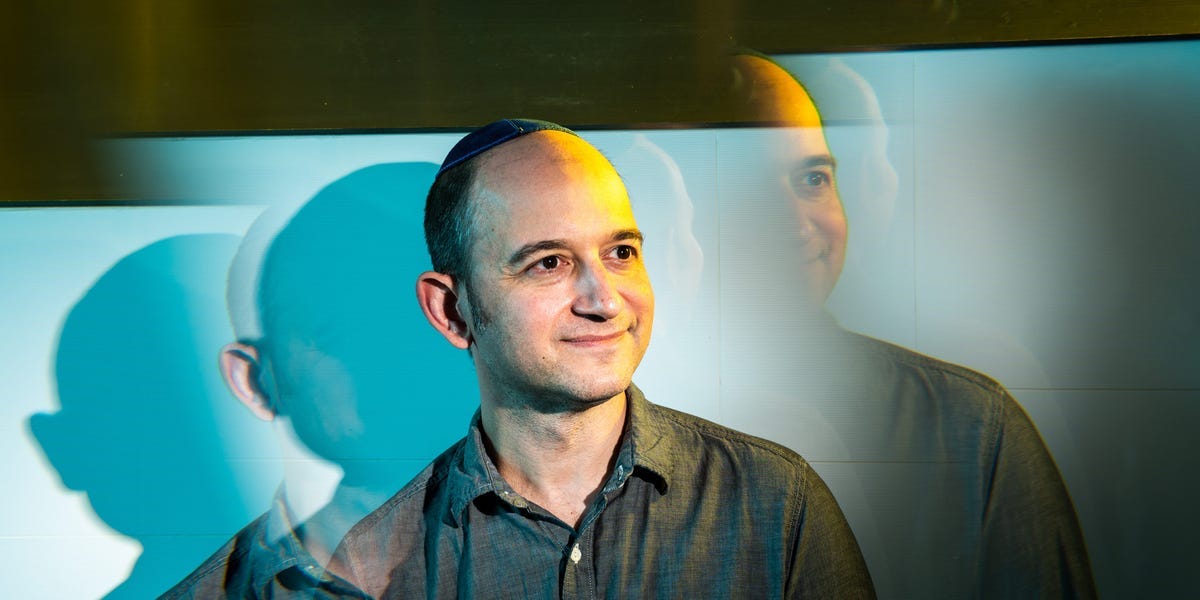
the co-author of “attention is all you need” and gemini’s technical co-lead just joined openai to lead architecture research. noam shazeer left google → founded character.ai → sold character.ai back to google in 2024 → and now left google again for openai. that’s three employers in three years, two of which are the same company. reuters called it “another major talent shift in the AI race.” which. ok. what it actually is: the person who co-invented transformers decided google wasn’t the place to push them furthest. openai now has the transformer co-author, the former gemini co-lead, and the institutional memory of what google’s architecture team was building next. the talent war is the model war.
chatgpt’s market share dropped below 50% for the first time
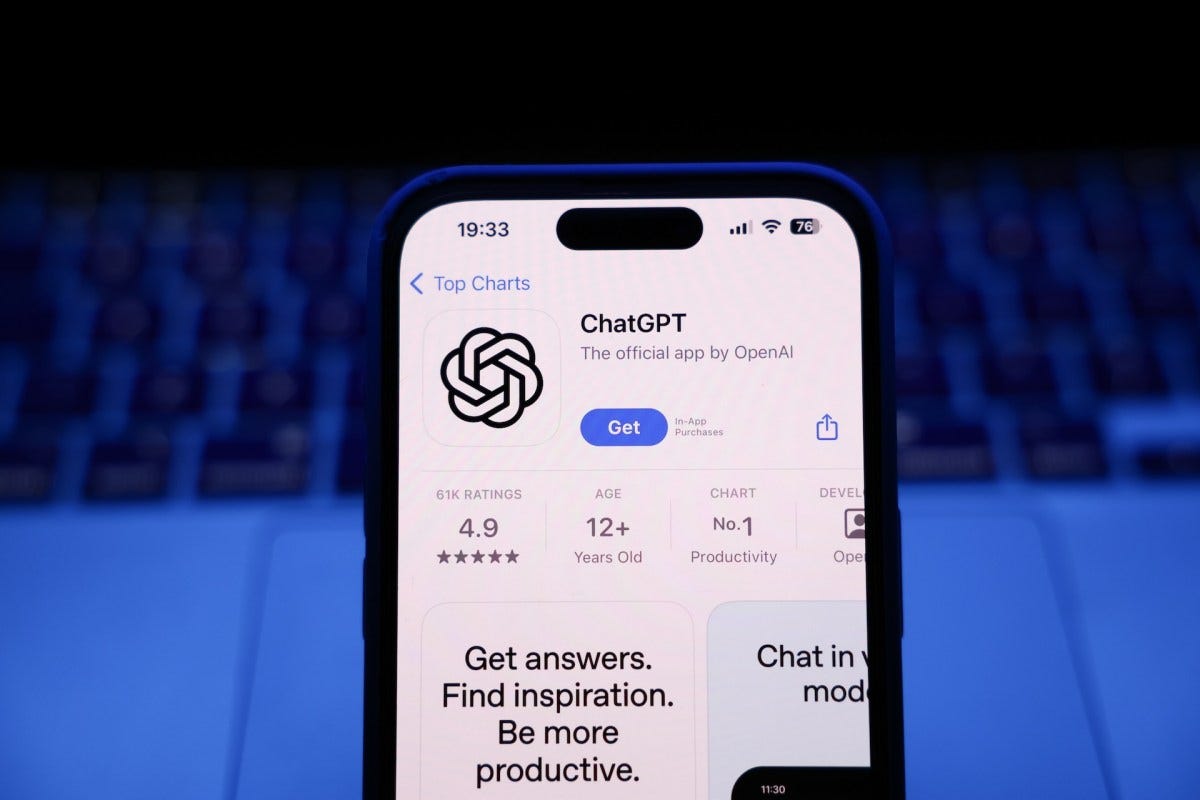
cool. so chatgpt’s share of the AI assistant market slipped below 50% for the first time ever. it still has 1.1 billion monthly users — more than any competitor. but gemini hit 662 million, claude reached 245 million, and grok is growing fast on X’s distribution rails. the story isn’t “chatgpt is dying.” the story is the market grew past the point where one product could own a majority of it. same thing that happened to google search, to the iphone, to facebook. the default is still the default. it’s just no longer the majority. every lab shipping alternatives — especially anthropic and google with coding tools that pull developer hours out of chatgpt — is eating the margin that made “chatgpt IS ai” a viable business narrative.
snap launched $2,195 AR glasses called SPECS and spiegel thinks it’s the next PC

snap released SPECS — $2,195 augmented reality glasses with AI assistance, work tools, entertainment, and “shared experiences.” evan spiegel went on podcast tour saying he thinks AR glasses are the next personal computer — computing brought into the world around you instead of pulling you out of it. the pitch: stay present while getting AI help overlaid on the real world. same week snap spun off its AI video team into a new company called dotmo because the costs didn’t fit the parent. so snap’s play is: the face computer is the future, but the AI video that powers it is too expensive for us to run, so here’s a spin-off. $2,195 puts this in apple vision pro territory without apple’s ecosystem. the bet is that AR glasses can succeed where ai pins, ai pendants, and rabbit r1 all failed — by being something you’d actually wear without looking like a cyborg having a private crisis in the cereal aisle.
anthropic shipped claude tag for slack and cowork got multi-task
anthropic dropped claude tag — you @claude in a slack channel and it works like a colleague. breaks tasks into sub-steps, pulls channel context, handles follow-ups, persists across conversations. it’s the “multiplayer agent” pitch: instead of one person using claude in a browser, the whole team tags it in shared channels and it runs tasks in the background. same week cowork (the enterprise collaboration product) shipped multi-task support — run multiple parallel agent tasks from one session. and microsoft was spotted evaluating different open models for cowork integration, which means the agent workspace that started as an anthropic showcase might end up running on whoever’s cheapest. the pattern: anthropic is building the workplace where AI is a team member, not a tool. whether that workplace runs anthropic’s own models is apparently negotiable.
vercel shipped eve, an open-source agent framework
vercel released eve — an open-source framework for building, running, and scaling agents in production. durable execution, sandboxed compute, human-in-the-loop approvals, channels, tracing, and evals. all built in, all open source. same week perplexity launched brain — a continuously learning memory system inside perplexity computer that plugs every task into a persistent context graph. and groq raised $650 million to expand data center capacity after its nvidia deal. three different bets on the same thesis: the agent stack is becoming real infrastructure. vercel wants to own the framework layer. perplexity wants to own the memory layer. groq wants to own the speed layer. nobody wants to own the model.
estonia is giving AI bots personal ID numbers

bloomberg reports that estonia — the country that already lets you vote, pay taxes, and start a company from your phone — plans to grant digital ID numbers to AI agents. not metaphorical. actual personal identification numbers, the same kind humans get, so the government can control what bots can access, what authority they have, and whose behalf they’re acting on. this is the same country that gave e-residency to non-citizens a decade ago. now it’s extending the concept to software. meanwhile in a different part of the internet, shoe company allbirds rebranded as smartbird and hired a former AWS executive as CEO for its “AI pivot.” the bots are getting government IDs and the shoes are getting AI. 2026 is completely normal and we should all be embarrassed.