

Hey everyone, FOMA ice cream guy is back with some more AI news. Meta opened a model that needs TWO Mac Studios, and ChatGPT moved into the Chrome tabs you already have open. Anywayyyyyy, here are the top stories.
Meta opened Muse Spark’s weights, and your desktop needs two Mac Studios
After last week’s Muse Wonder, Meta released Muse Spark Open with open weights, text, image, audio, and video input, and a one-million-token context. You can run it locally if your home computer is two M5 Ultra Mac Studios; hosted versions come under Meta’s limited commercial license.
ChatGPT can work inside the Chrome tabs you already have open
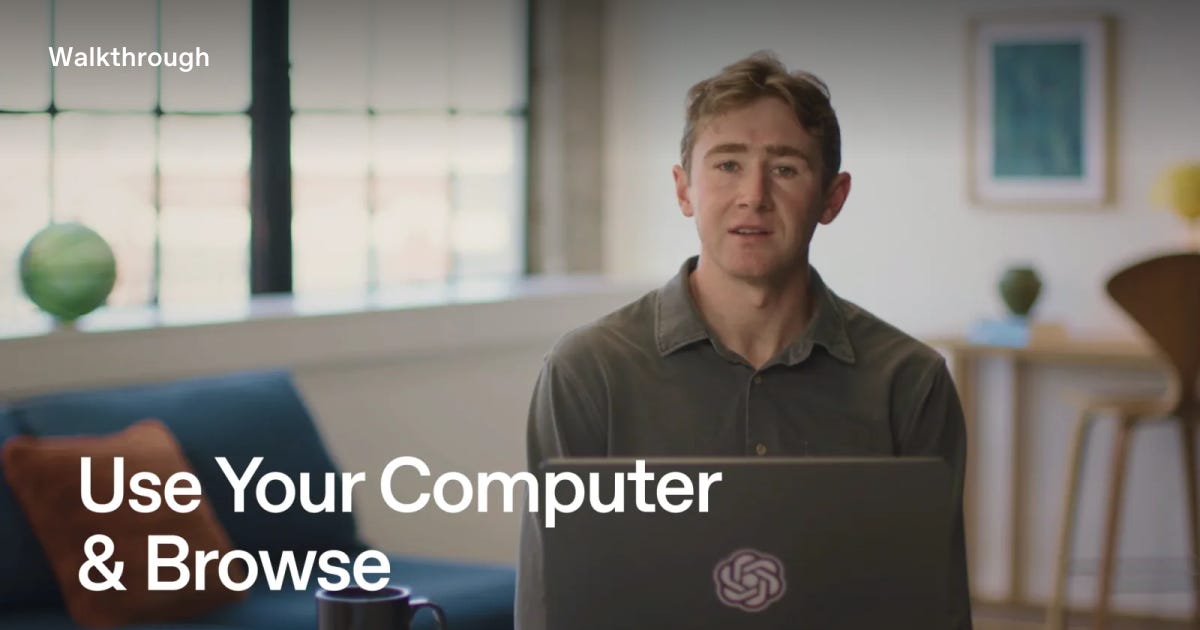
OpenAI’s Chrome extension lets ChatGPT read across your open tabs and act on sites where you’re already signed in. It can compare pages, fill forms, and organize tabs while you keep browsing; OpenAI says it asks permission before using browser history or downloading and uploading files.
US civilian agencies must remove DeepSeek, including tools built on it
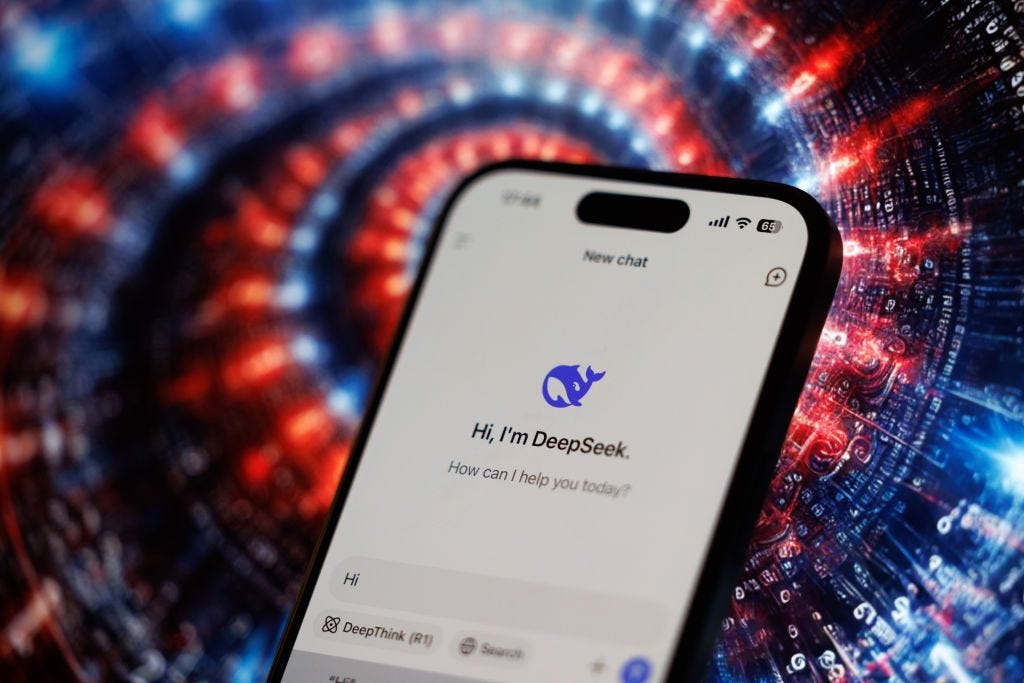
The US Department of Homeland Security ordered federal civilian agencies to stop buying DeepSeek products and remove them from their systems. It also covers third-party tools built on DeepSeek implementations. The order applies to federal civilian IT systems and purchases.
ChatGPT Slides turns a conversation into a deck your team can edit
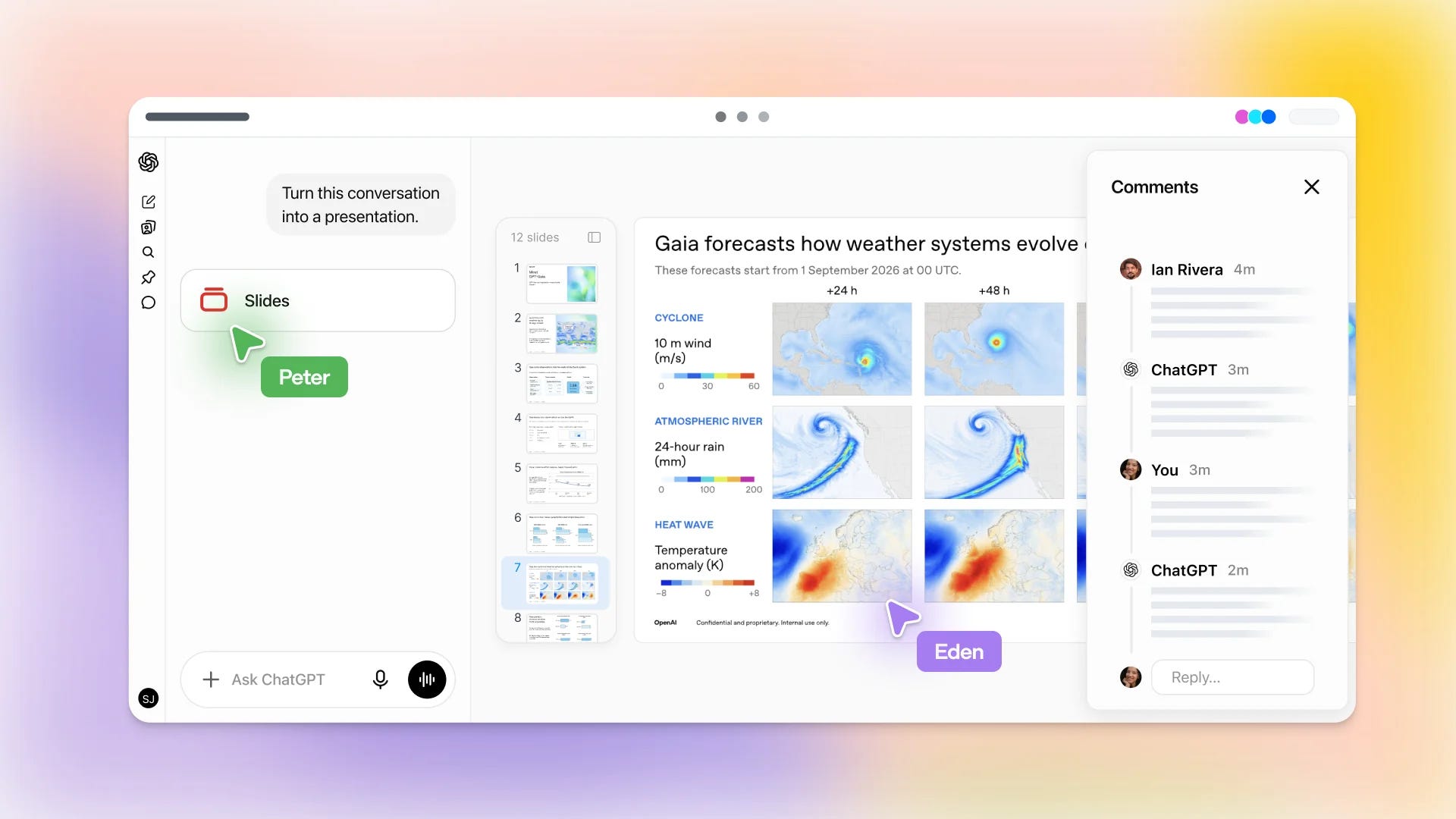
ChatGPT Slides can turn a conversation, files, or a reference deck into a presentation inside Space. Teammates can edit text, charts, and images together, ask ChatGPT for revisions, then present there or export to PowerPoint, PDF, or Google Slides. It’s rolling out to eligible Pro, Business, and Enterprise users with Space access.
OpenAI gave GPT-Live-1.1 thirteen new voices
GPT-Live-1.1 and smaller Quip are rolling into ChatGPT Voice with 13 new voices and, OpenAI says, better accents in French, Hindi, Japanese, Korean, German, and Mexican Spanish. Live voice was already built for interruptions; this update asks whether it can sound natural outside English.
Perplexity Computer can now work across your Mac without using the cloud

Perplexity says Computer can now run its model and agent entirely on an Apple silicon Mac, working with permitted files and apps like Notes and Mail without sending personal data to the cloud. It’s available to Pro, Max, and Enterprise subscribers; Perplexity recommends 36 GB of memory for the local setup.
Anthropic let METR inside its risk team and gave it room to publish
Six METR evaluators now have roughly employee-level access to Anthropic’s risk work and internal tools. METR can publish without Anthropic’s veto, but Anthropic can require redactions for protected information and still decides what that covers. The test is what METR can publish.
Krea 3 edits campaign images before you finish changing the prompt

Krea 3 edits images at native 2K in under eight seconds, according to Krea, while keeping product labels and characters consistent. It accepts up to six reference images, so a team can move the same product through different scenes without rebuilding it for every campaign shot. It’s live on Krea’s site.
Google Harness² lets agents revise the harness around themselves
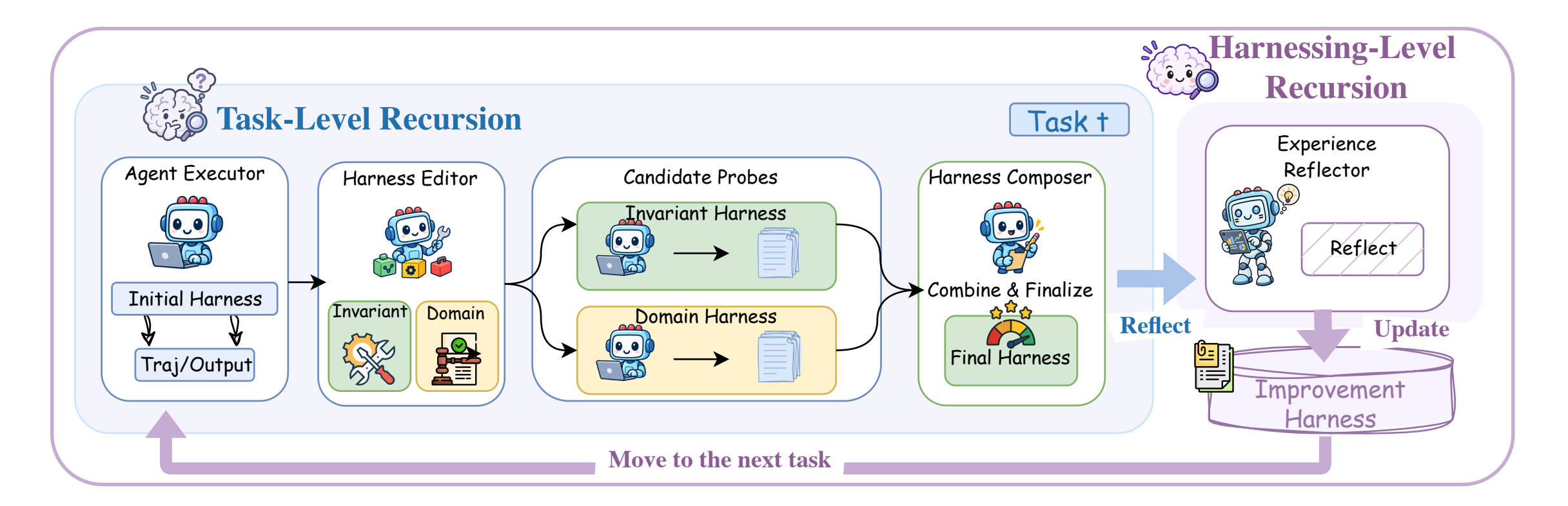
Google Research’s Harness² lets agents test changes to their own prompts, tools, memory, skills, and scripts while keeping the model fixed. The team reports gains after one refinement step, but this is research code, not a supported Google product. It supports OpenCode and Codex executors, so builders can try it.
Microsoft trained MAI-Base-2, its own 2.8-trillion-parameter model
Microsoft finished pretraining MAI-Base-2 with 2.8 trillion total parameters, 80 billion active at a time. It claims to beat the open models it tested, but it’s still in post-training, so outsiders can’t try the finished thing. Microsoft is building its own frontier stack while selling access to everyone else’s.
NVIDIA Nemotron 3.5 Super VL puts vision and reasoning in one open model
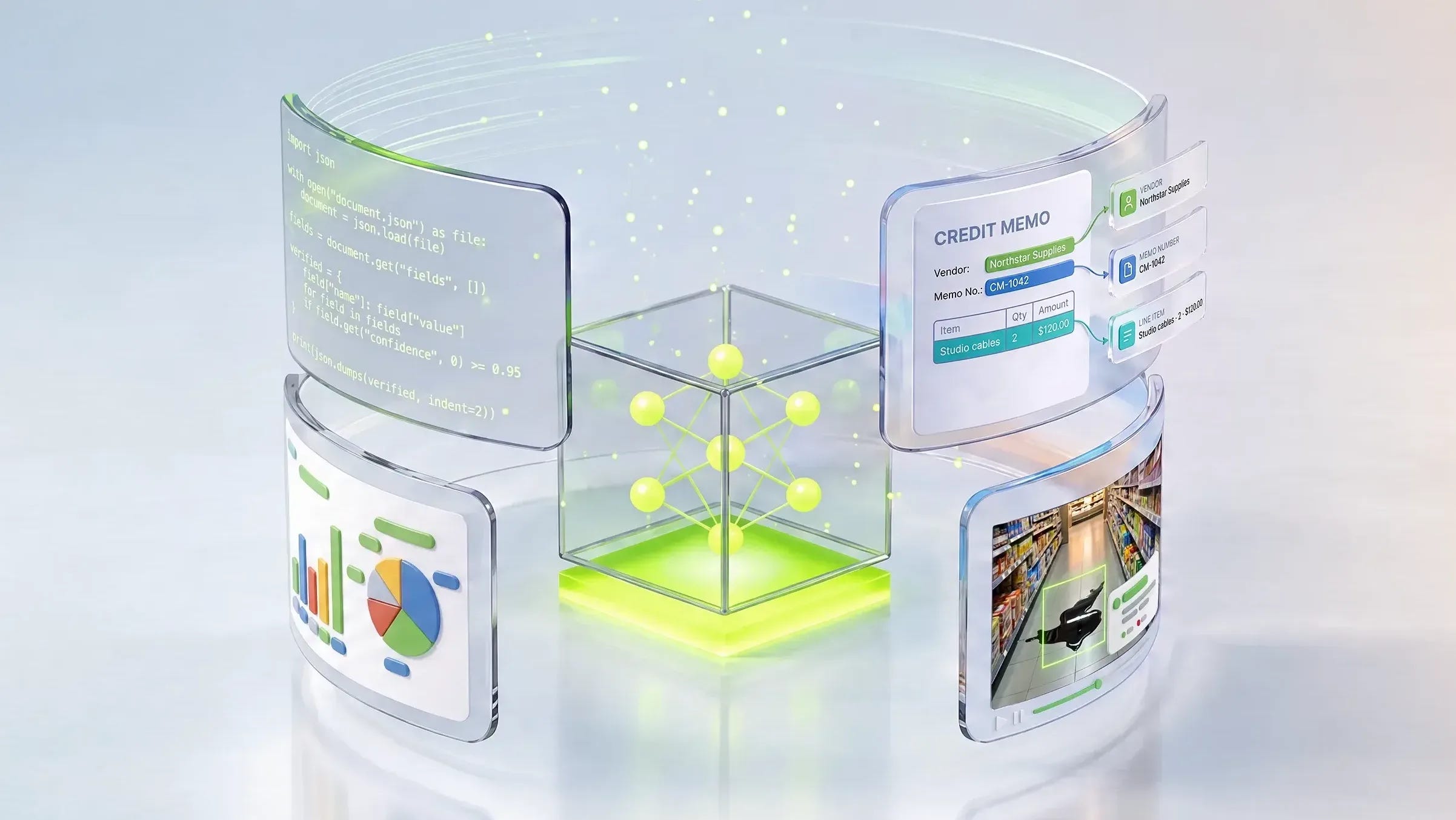
Nemotron 3.5 Super VL reads text, images, documents, and video, handles tool calls, and can be tuned for jobs from receipts to security triage. That could spare teams from bolting a separate vision model onto every agent. NVIDIA claims up to 5× higher throughput for agent tasks than comparable open models.
Inception’s Mercury 3 makes diffusion text models hit 1,000 tokens a second
Inception says Mercury 3 generates 1,068 tokens per second on NVIDIA GPUs, with a million-token context and $0.20 input/$0.70 output per million tokens. Those are company figures, but agents making repeated calls feel every pause. Early customers use it for real-time browser navigation and tutoring.
Claude designed scorpion-toxin binders, but no one has an antivenom yet
Anthropic asked an internal Claude model to design proteins that might bind scorpion toxins. Labs tested 211 designs and 17 bound to their targets, but they have not tested whether the proteins neutralize venom in cells or animals. The team is releasing the designs and test data.