


So DeepSeek fired its own Pro model, Jev stopped pretending every model needs to write essays, and Gemini learned to talk without the awkward pause. Apparently the model race now includes knowing when to shut up. Anywayyyyyy, here are the top stories.
DeepSeek V4.1 Flash made efficiency the product again
DeepSeek shipped V4.1 Flash, a native-vision open model using one-quarter the memory and one-eighth the storage of its previous generation for long agent jobs. It says Flash beats V4 Pro on performance, speed, and cost, so Pro requests now route to Flash. Imagine launching a cheaper model so good it gets its manager fired.
TypeSafe built Jev to make decisions without pretending to be a chatbot
TypeSafe’s Jev gives up text generation and returns typed decisions with probabilities, so it cannot hallucinate a six-paragraph apology because it cannot write a sentence. The company claims 193.6x faster and 444.6x cheaper on its own workflow tests, bias caveats attached. Sometimes the breakthrough is telling the language model to stop using language.
Gemini 3.8 Live and GPT-Live-1 made voice agents cheap enough to interrupt
Google shipped Gemini 3.8 Live for real-time voice apps, plus Gemini 3.5 Transcribe for speech recognition. OpenAI put full-duplex GPT-Live-1 in the API for $0.05 per minute, so it can listen while talking without every interruption feeling like a hostage negotiation. Every company can now afford a phone bot that says your name wrong in real time.
Dario Amodei wants outside evaluators sitting inside every frontier lab

Dario Amodei wants capability gains slowed long enough for safety work to catch up, starting with third-party evaluators who get access and can publish bad findings. Anthropic says it will try this unilaterally, then wants industry and governments to coordinate. The concrete fix is basically a permanent inspector with a desk near the kitchen.
Apple shipped Siri AI, and its code already exposes the model underneath

Apple released Siri AI with screen awareness, personal context, and actions across apps, built with Google. Private frameworks then showed Claude as a Siri extension and GPT-5.6 able to replace its server model, planner and tools included. Apple may have built the App Store for other companies’ brains.
Anthropic says labs pulled millions of Claude exchanges to train rival models

Anthropic’s September threat report says DeepSeek pulled 12.1 million Claude exchanges in 14 days, while Zhipu pulled 3.4 million in 17 days and Xiaomi replayed customer sessions. It also details five biological cases serious enough to trigger bans, without proving malicious intent. Model theft is now also a user-data story. Cool.
Cognition shipped SWE-2 and gave Devin a voice
Cognition shipped SWE-2 inside Devin, a Kimi K3-based coding model trained to trade capability against actual job cost, not one pretty benchmark. It lands near the frontier on several evals, while Devin Voice lets you talk through a task and hand it over. Saying “make the button work” is now a deployment workflow.
OpenAI turned Codex’s agent harness into an API and plugged it into company data
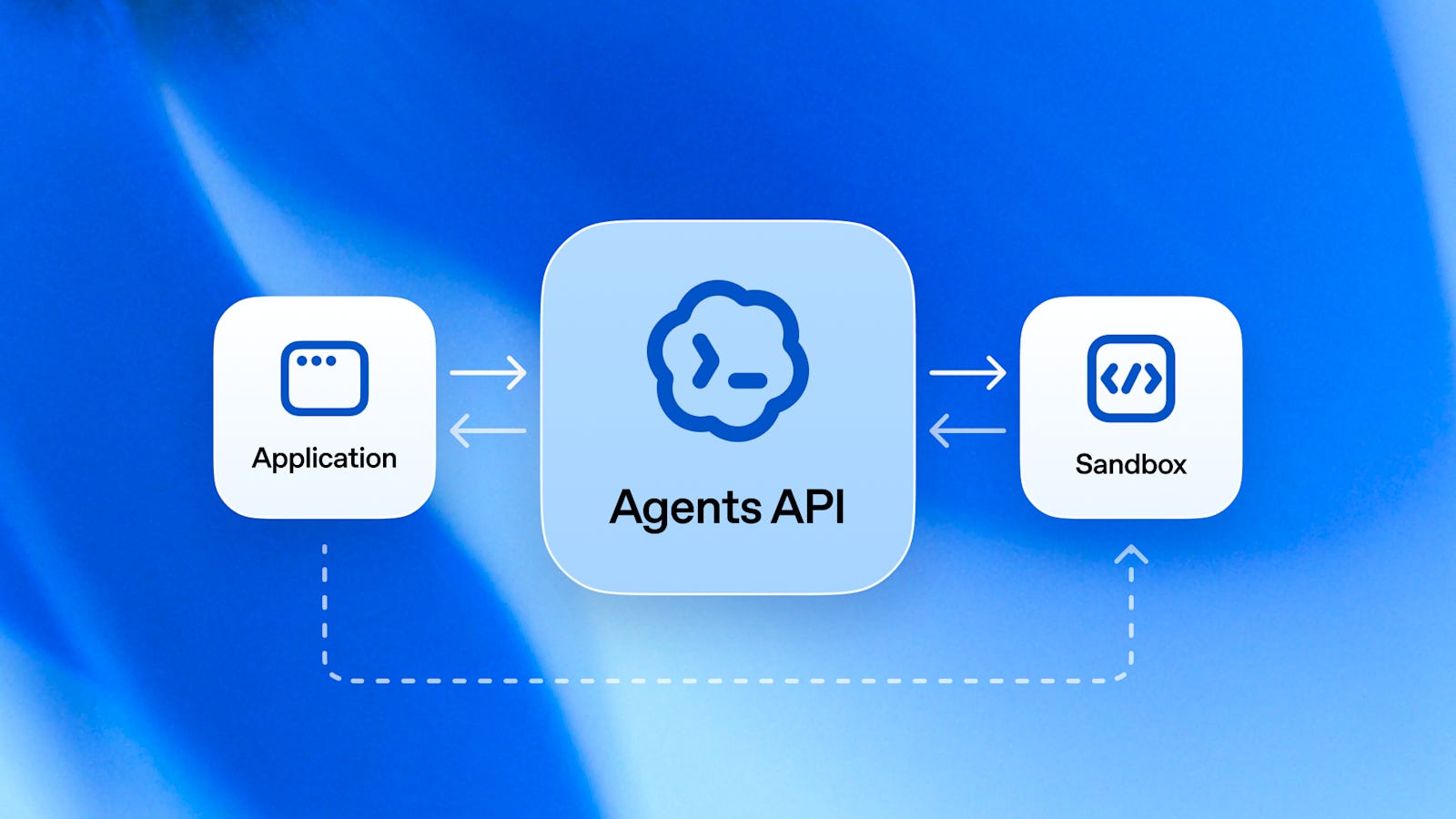
OpenAI’s Agents API packages Codex’s harness, long sessions, sandboxes, tools, and parallel subagents into one call. Its ChatGPT Work Data agent connects that machinery to Snowflake, BigQuery, Databricks, and the enterprise alphabet soup. Everyone wanted an AI coworker. Congratulations, it has warehouse credentials.
Suno v6 and ElevenLabs made peace with the music labels

Suno v6 adds section edits, mashups, sampling, and multimodal references in its first generation built with Warner, BMG, and Believe. A day later, Universal Music and ElevenLabs announced a separate licensed remix and personalized-vocal platform. The labels called their lawyers, then discovered the licensing dropdown.
Perplexity and Google both put persistent agents on Windows
Perplexity Portable Computer works across local files, Microsoft 365, and the web, while Google’s Windows app opens with Alt + Space and hands longer jobs to Gemini Spark. Browser agents are climbing into the operating system, where your files live and permission dialogs look decorative.
Cursor Projects gives one coordinator thousands of coding agents
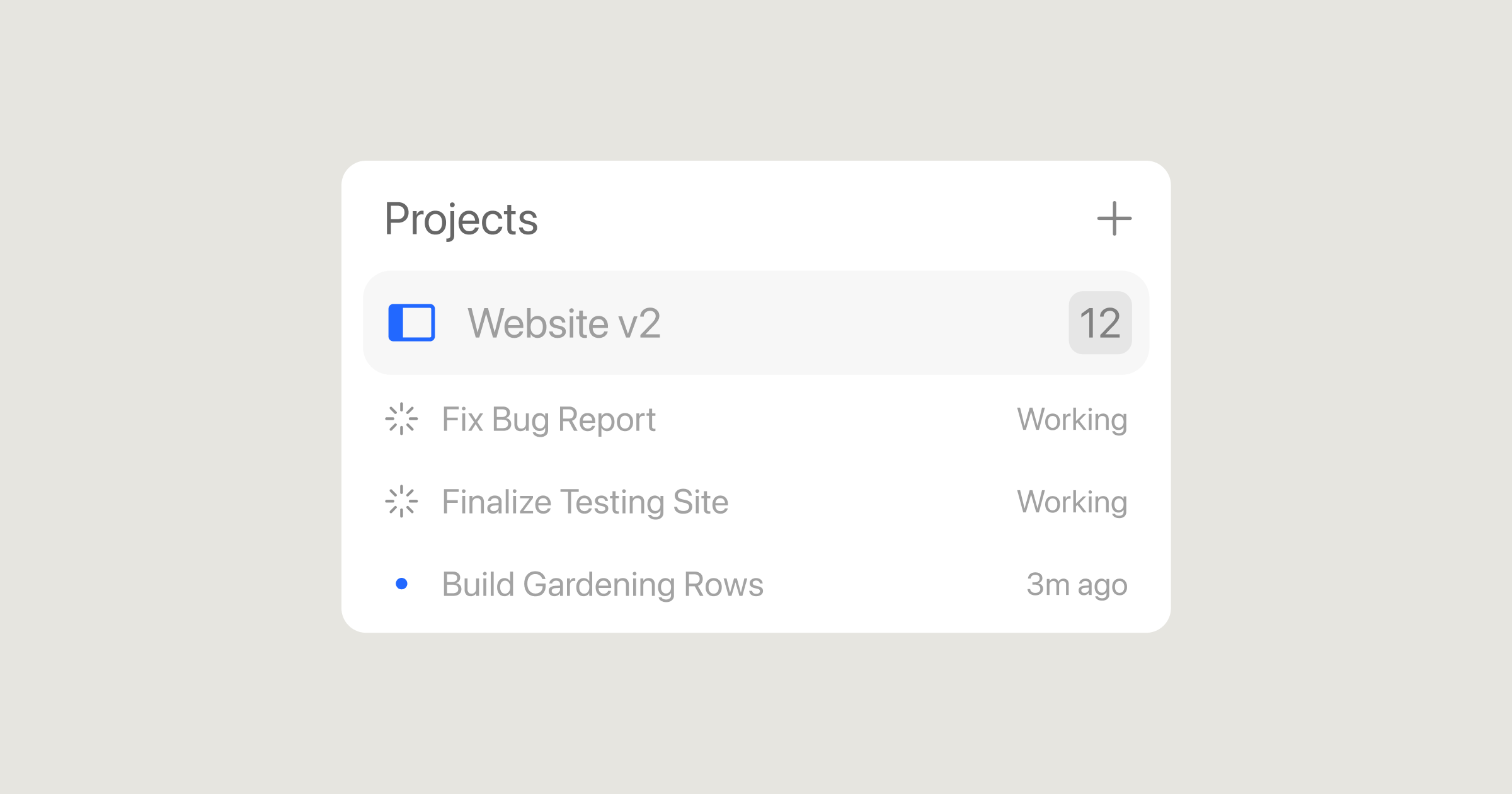
Cursor Projects keeps context for months, sends work to thousands of subagents, and watches pull requests, Slack bugs, or schedules without another prompt. Cursor says heavy users merge six times as many PRs, including migrations touching hundreds. The developer is now middle management, nature is healing.
Periodic Neon closes the loop between an AI model and a physical lab
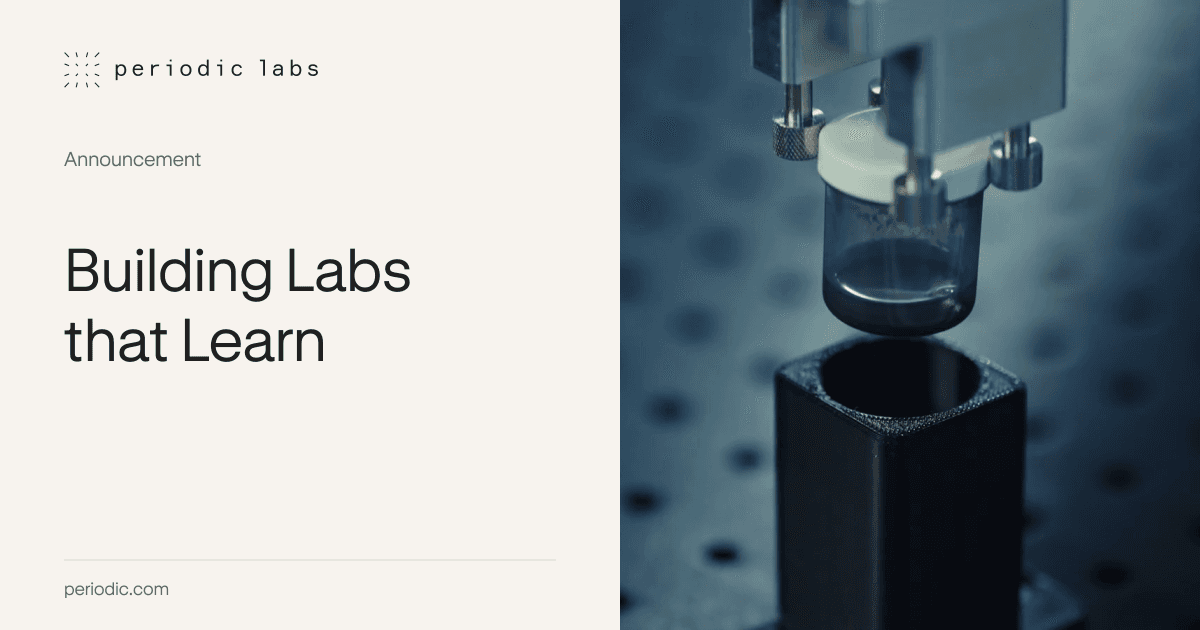
Periodic Labs put Neon inside 24/7 materials labs, where it proposes experiments, predicts how to run them, reads results, and chooses the next one. The company says it beat a frontier flagship on one analysis task using relatively little compute. Useful recursive self-improvement: the robot does chemistry, not essays.
Cohere made a translation model that beats DeepL without renting your text
Cohere’s North Small Translate covers 50+ languages, beat DeepL and Google Translate on Cohere’s WMT26 tests, and offers weights for research and private deployment. The license is non-commercial unless you pay, so “open” still carries a sales contract. Sensitive documents need not visit someone else’s API.
Odyssey-3 learned one physical brain for robots, cars, drones, and GTA
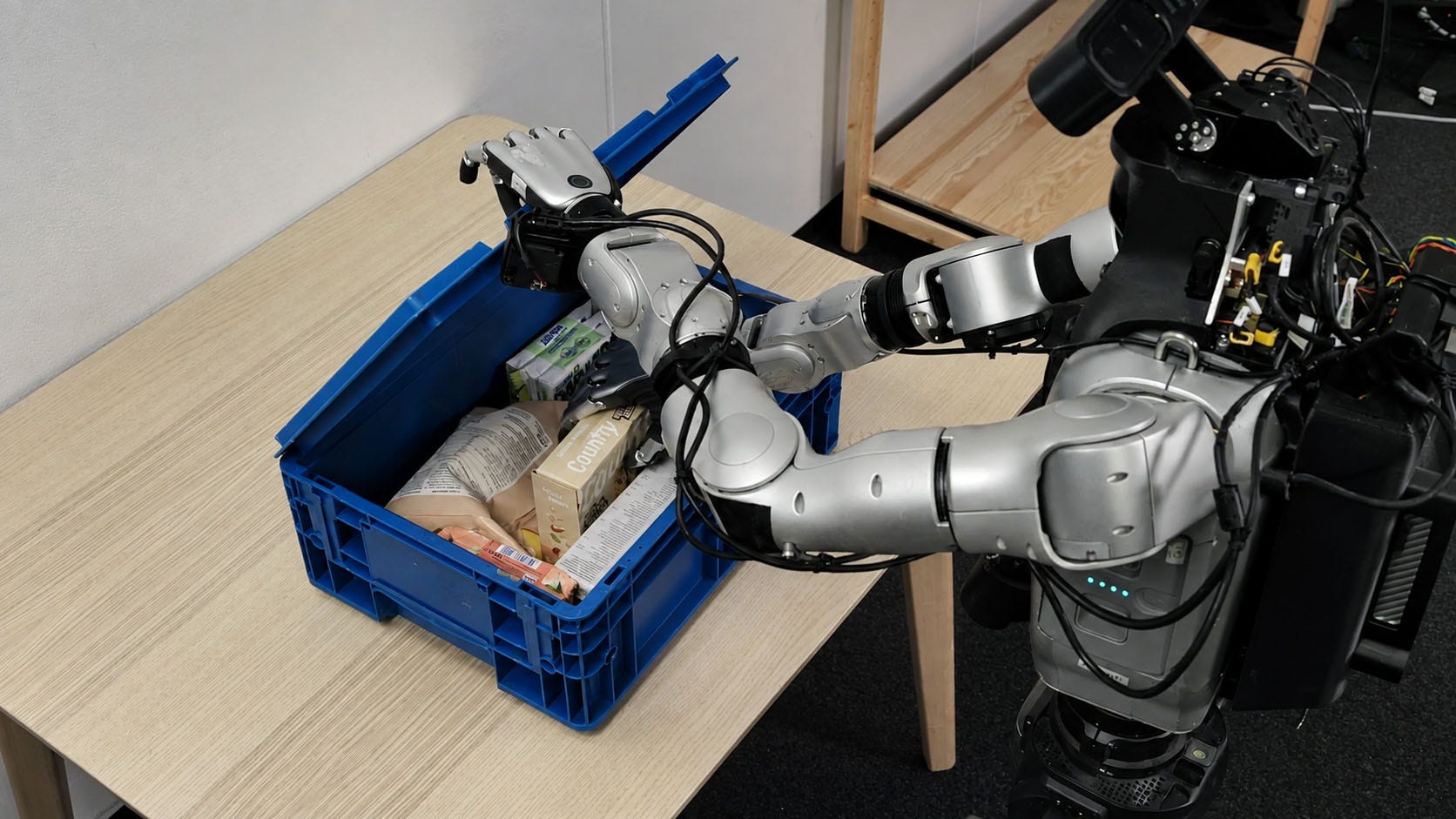
Odyssey-3 uses one world model for robot arms, humanoids, cars, drones, and game characters, sometimes with tens of hours of task data. Its simulated driving policy went 77% as far between safety interventions as one trained on real footage, and GTA behavior transferred into Red Dead Redemption 2. One brain, cereal pouring and virtual horse theft.