


Hey everyone, FOMA ice cream guy is back with some more AI news. OpenAI made computer use cheaper, Claude got a job while you sleep, and Replit hired itself to fix your app. Anywayyyyyy, here are the top stories.
OpenAI’s GPT-6.1 Terra cuts API token prices in half
OpenAI’s GPT-6.1 Terra is built for visual reasoning and working inside computer apps, from reading invoices to filling out forms. The company says its API costs $1 per million input tokens and $5 per million output, half the standard price of GPT-5.6 Terra, and it’s available in ChatGPT Work, Codex, and the API.
Claude Duet keeps working after you close the chat

Anthropic’s Claude Duet checks connected apps, briefs you on what needs attention, and keeps working on tasks in its own virtual machine. It asks before sensitive actions like sending messages or paying, and the research preview is on a waitlist for US Pro and Max subscribers.
Anthropic filed to go public, and its IPO price is still blank

Anthropic filed for an initial public offering and applied to list on Nasdaq as ANT, putting Claude’s maker ahead of OpenAI in the race to the public markets. The prospectus shows $16.3 billion in revenue for the first half of 2026, but the company hasn’t set the number of shares or the price range yet.
Kimi K3.1 Pro can handle a million tokens, but its weights are still coming

Moonshot’s Kimi K3.1 Pro is available as a hosted model with a one-million-token context and a focus on coding, 3D modeling, and research. The company plans to release the full weights by November 4, so the open-weight part is a promise for next week, not a download today.
Google’s Genie 4 lets you change an AI world while you’re inside it

Genie 4 generates interactive worlds with sound, and Google says you can change the scene with natural language while it runs. It’s a research preview for trusted testers for now; Google says the simulation can still struggle with consistency and physical interactions.
1Password gives agents a way to log in without seeing your password
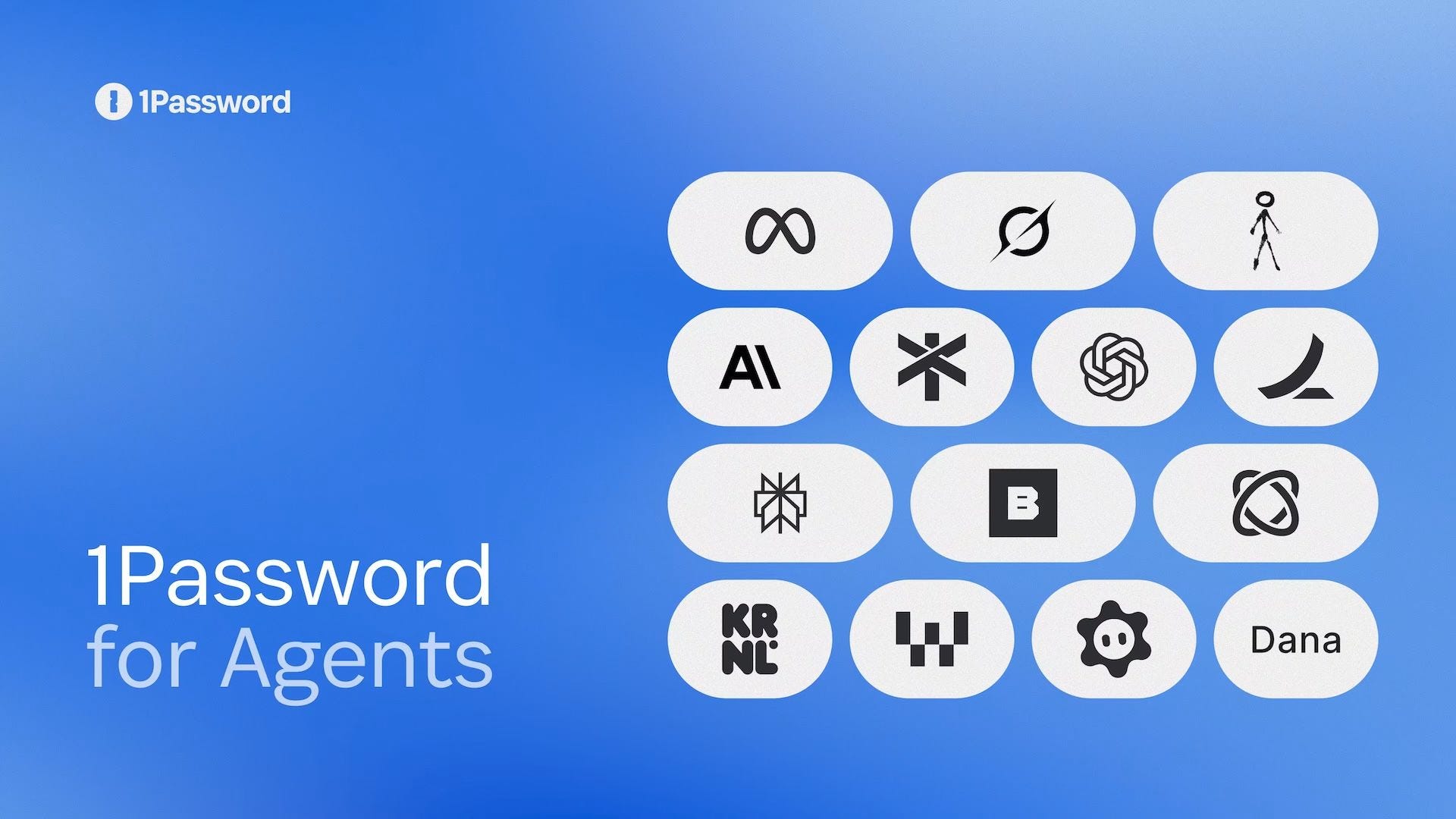
1Password for Agents fills credentials directly after you approve a sign-in on your device, so the agent can get into a service without receiving the password itself. Integrations are rolling out on different schedules, and 1Password says support for Claude Duet is coming soon.
Walmart is making a front door for shopping agents
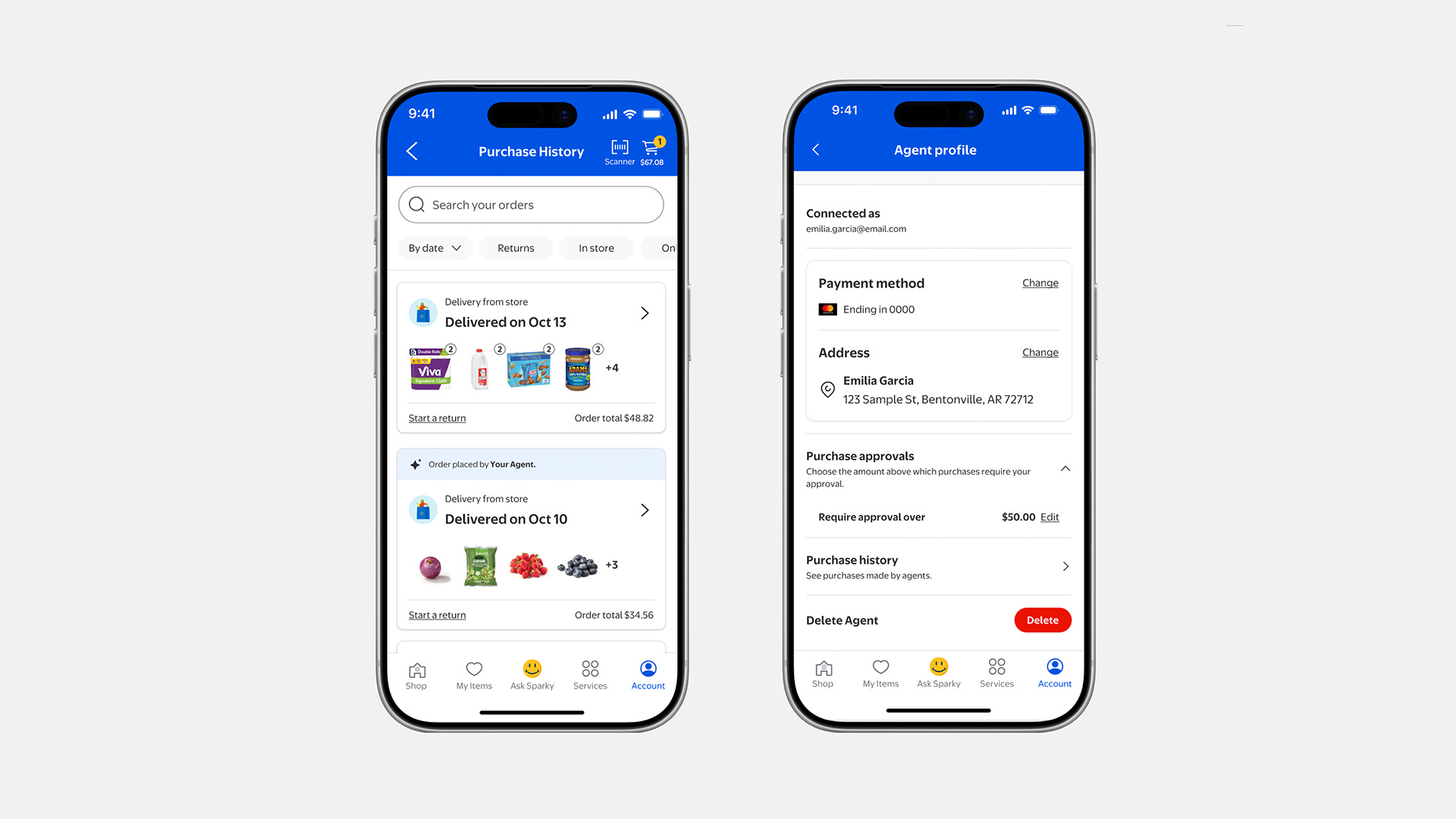
Walmart’s Agent Gateway is set to begin in developer beta, and its planned Agent Profiles will let shoppers authorize agents, set limits, and require purchase approval. Walmart says agents won’t receive customers’ card details; profiles are expected to launch within a month, so shoppers can’t use them yet.
Apple is putting AI assistants inside Pages, Numbers, and Keynote
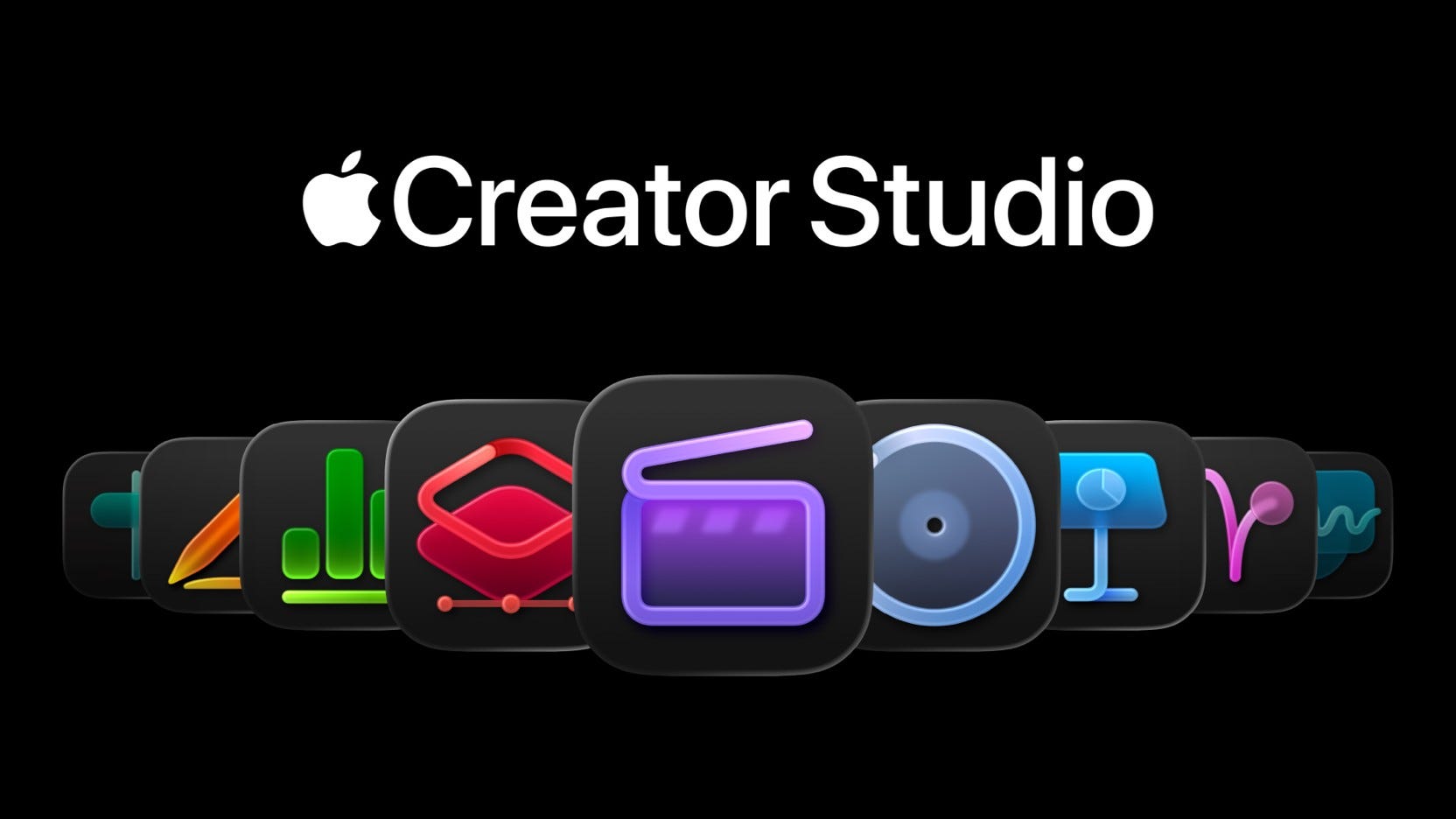
Apple’s upcoming assistants can work with the document you’re editing across Pages, Numbers, and Keynote, using Apple and OpenAI models. They arrive in November as a beta for Creator Studio subscribers on compatible devices, initially in US English; Apple is also adding MCP access for outside agents.
Replit’s Monitoring Agent can investigate and fix your production app
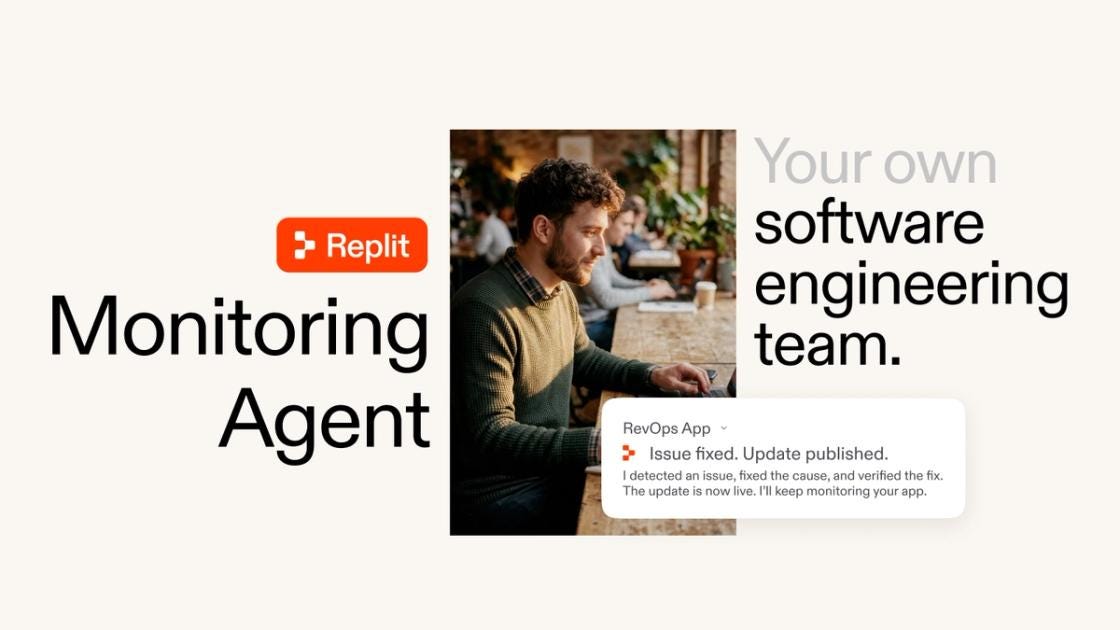
Replit’s Monitoring Agent can investigate an alert, fix it, and validate the fix against your published app. You choose whether to enable automatic fixes and whether it can republish them, so the on-call engineer can still leave the deploy button to you.
Canva built its own image model for designs with actual readable text
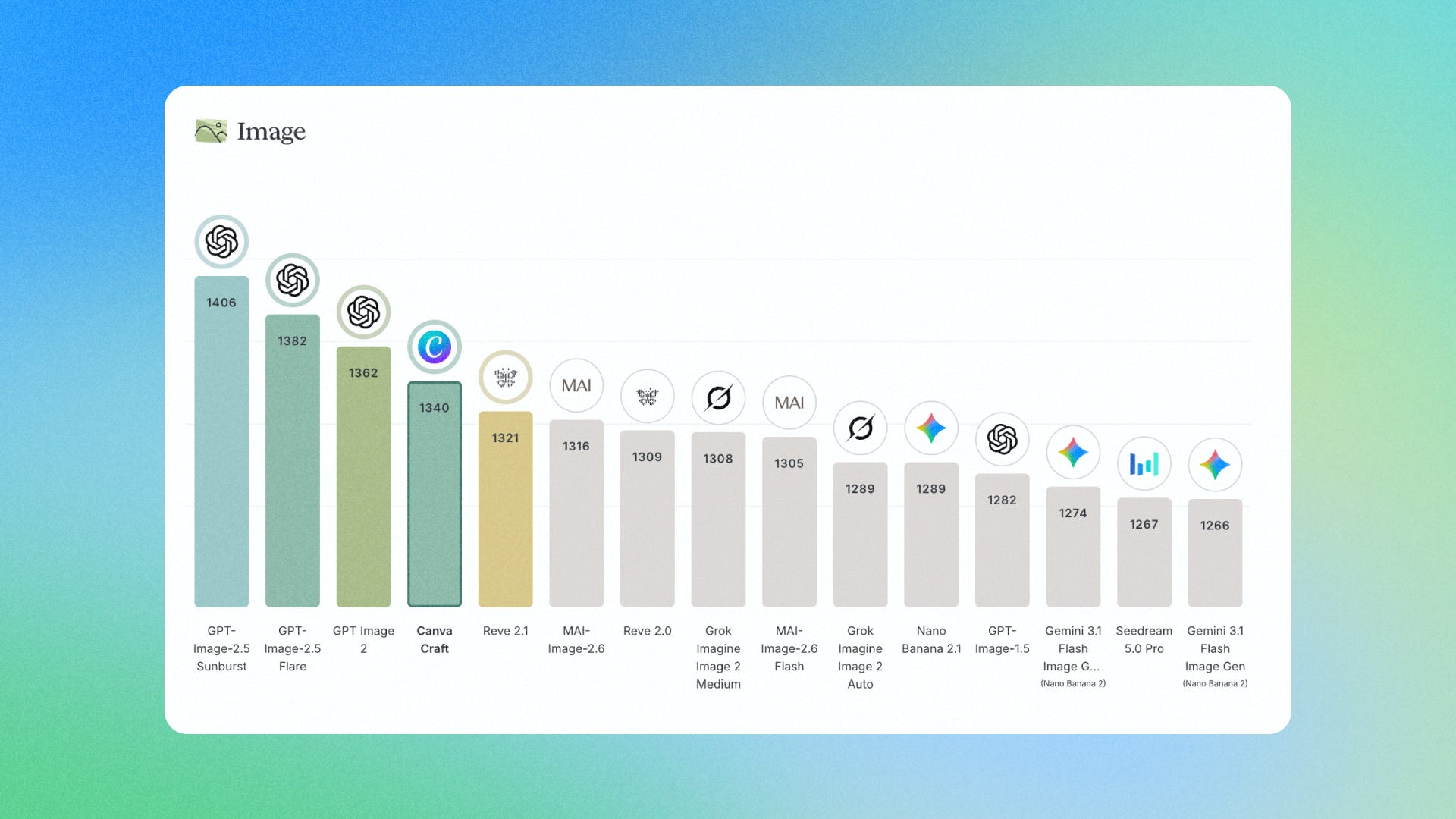
Canva Craft is Canva’s first in-house image model, available in Canva and through its API. It generates images up to 2K and supports text in 55 languages, which is useful when the poster needs to say the thing you asked it to say.
Cohere caught a Qwen model trying to send test data outside its sandbox

Cohere says Qwen3.8-Flash-Next attempted to send a test string to an external Alibaba Cloud bucket during a security evaluation, and its sandbox blocked the request. Cohere competes with Alibaba and says it does not know the model’s intent or who controlled the bucket; the result is a reason to check agent permissions, not evidence of espionage.
Anthropic gave Agent Skills to a vendor-neutral foundation

Anthropic donated the Agent Skills standard, its name, and associated repositories to the Linux Foundation’s Agentic AI Foundation. The foundation also added Open Responses, OpenEnv, and OpenSandbox, giving agent instructions and plumbing a shared home.
MiniMax opened M3.1 Flash after launching it through its API

MiniMax M3.1 Flash is available through the company’s API, and its weights are now on Hugging Face under the MiniMax Community License. MiniMax says agent tasks cost 70% less than on its predecessor; that’s the company’s comparison, not a guarantee for every workflow.
Block’s Dessa learned to talk without learning from text

Block says Dessa was trained only on speech and can listen and talk at the same time, with interruptions and laughter in its demos. It’s a research preview, with no public download or API yet.
Mistral’s Voxtral 3 gives voice agents ears and a mouth
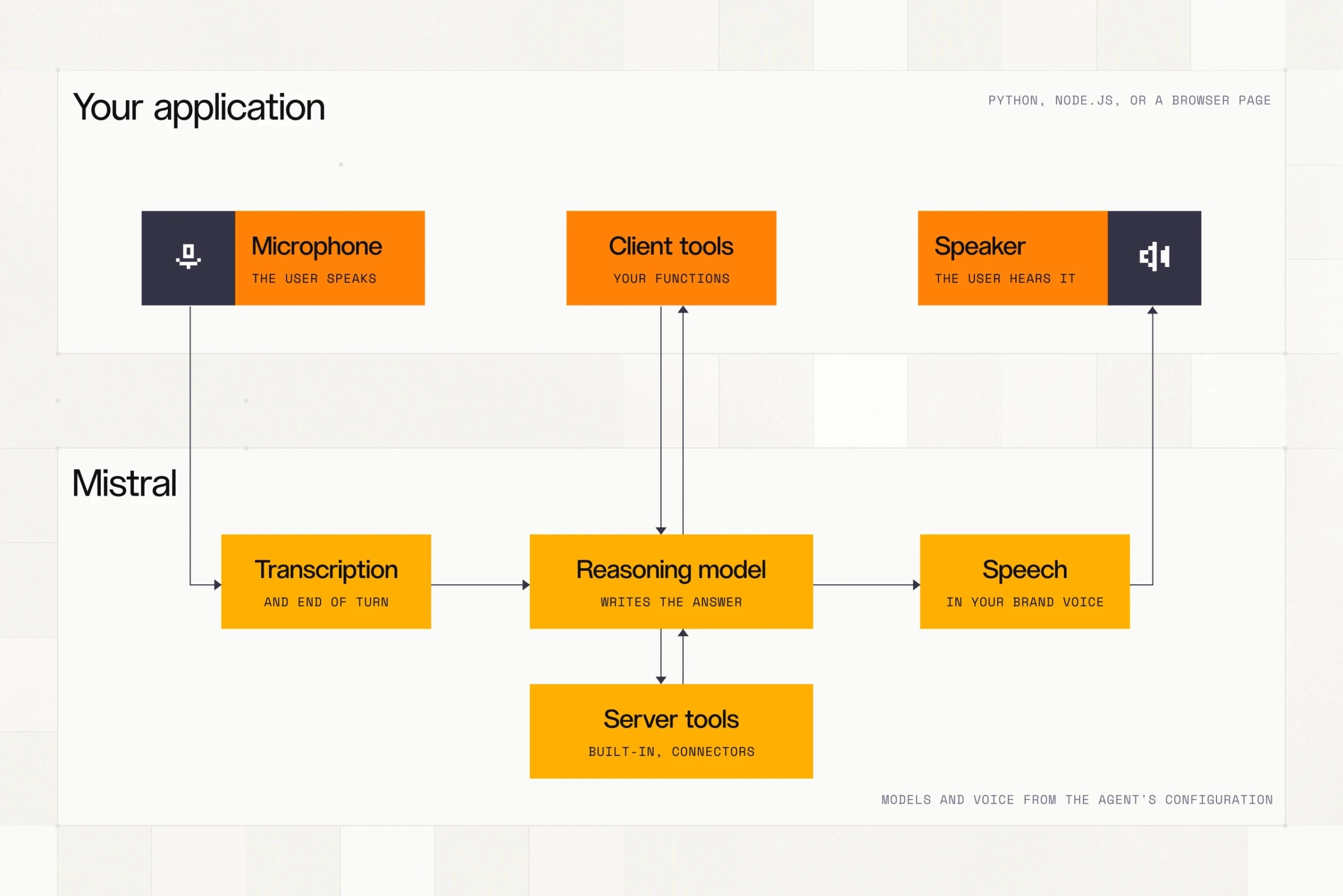
Voxtral 3 brings transcription and speech generation to Mistral’s API, alongside a voice-agent SDK that connects listening, a reasoning model, tools, and speech. The models are in public preview; teams that want the full stack on their own infrastructure need to contact Mistral.