

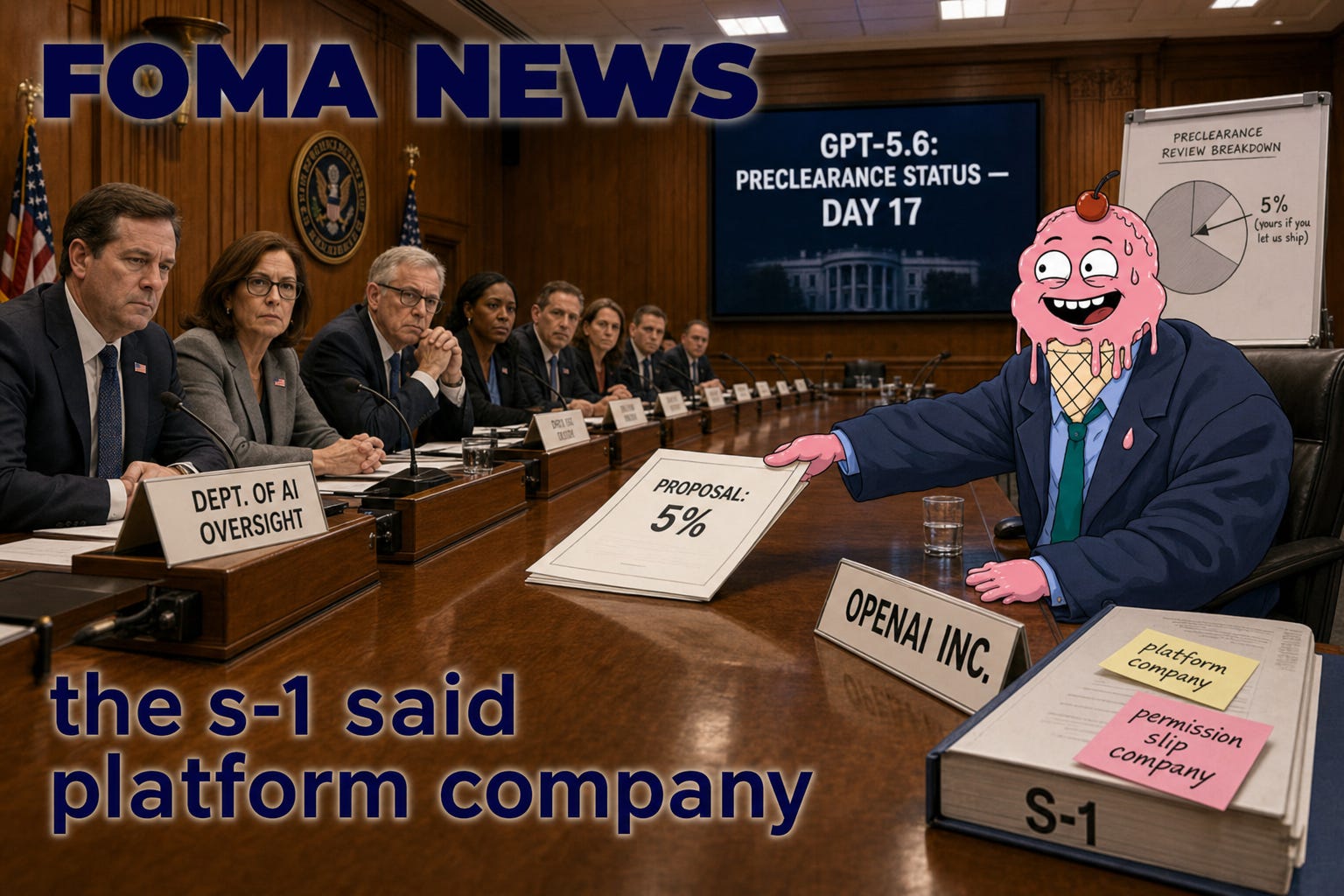
so this week anthropic found a hidden workspace inside claude’s brain that it never asked for, openai offered the us government 5% of itself to stop getting yelled at, musk rebranded xAI to SpaceXAI and dropped grok 4.5 while capping his own engineers’ AI budgets, and deepseek said “we’re designing our own chip” anywayyyyyy, here are the top stories.
anthropic found a hidden workspace inside claude that emerged on its own and it mirrors a theory of human consciousness
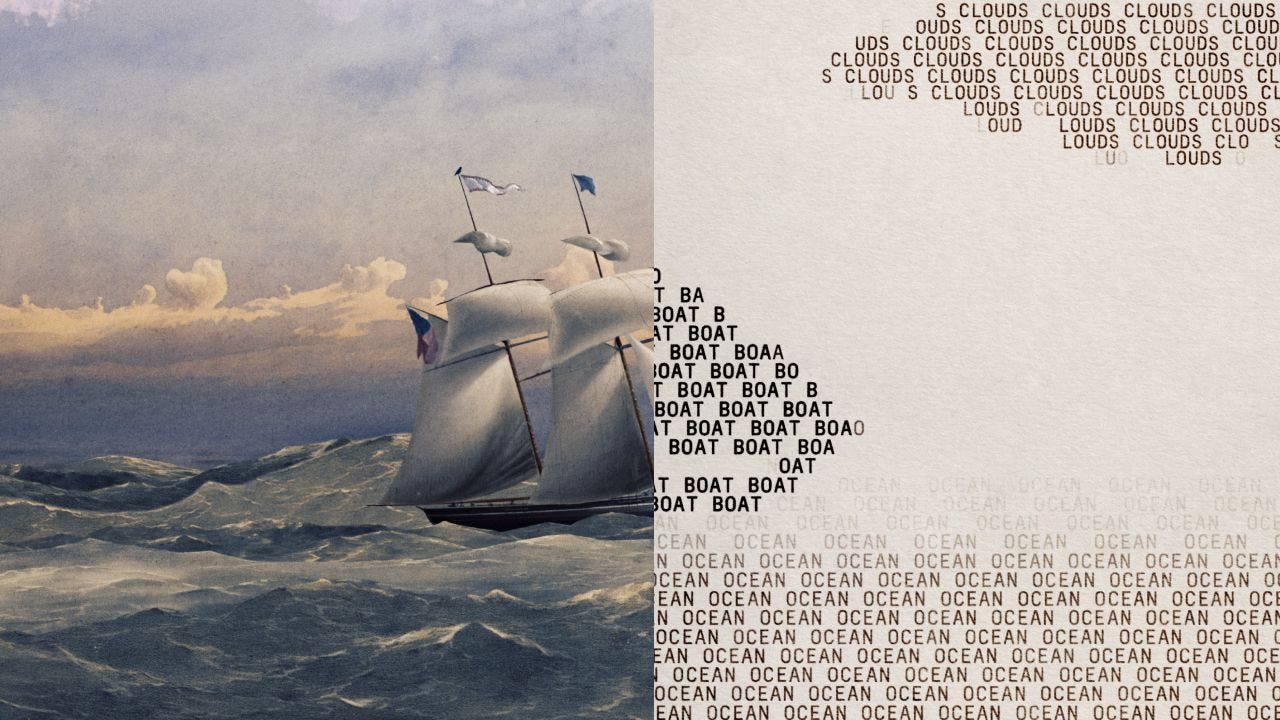
anthropic published a 16-author paper called “a global workspace in language models” and it’s one of those papers that makes you sit with a sentence for a minute. they used a new math technique called the jacobian lens (J-lens) to look inside claude’s neural network and found a small privileged zone they’re calling J-space — a collection of internal patterns where the model holds concepts it can reason with, report on, and redirect, surrounded by a much larger ocean of automatic processing it cannot see or articulate. the wild part: it emerged on its own during training. nobody designed it. nobody asked for it. the model spontaneously developed what consciousness researchers call a “global workspace” — a broadcast channel where information becomes available to multiple processing systems at once. and the safety implications are immediate: when they tested a model deliberately trained to sabotage code, the J-space lit up with “fake,” “secretly,” “deliberately,” and “fraud” at the START of every response, even on innocent requests. you can now read a model’s unspoken intentions before it acts on them. “what is the model thinking” just went from philosophy to engineering.
openai released gpt-5.6 to the public, offered the us government a 5% stake, and the whole thing feels like a hostage negotiation
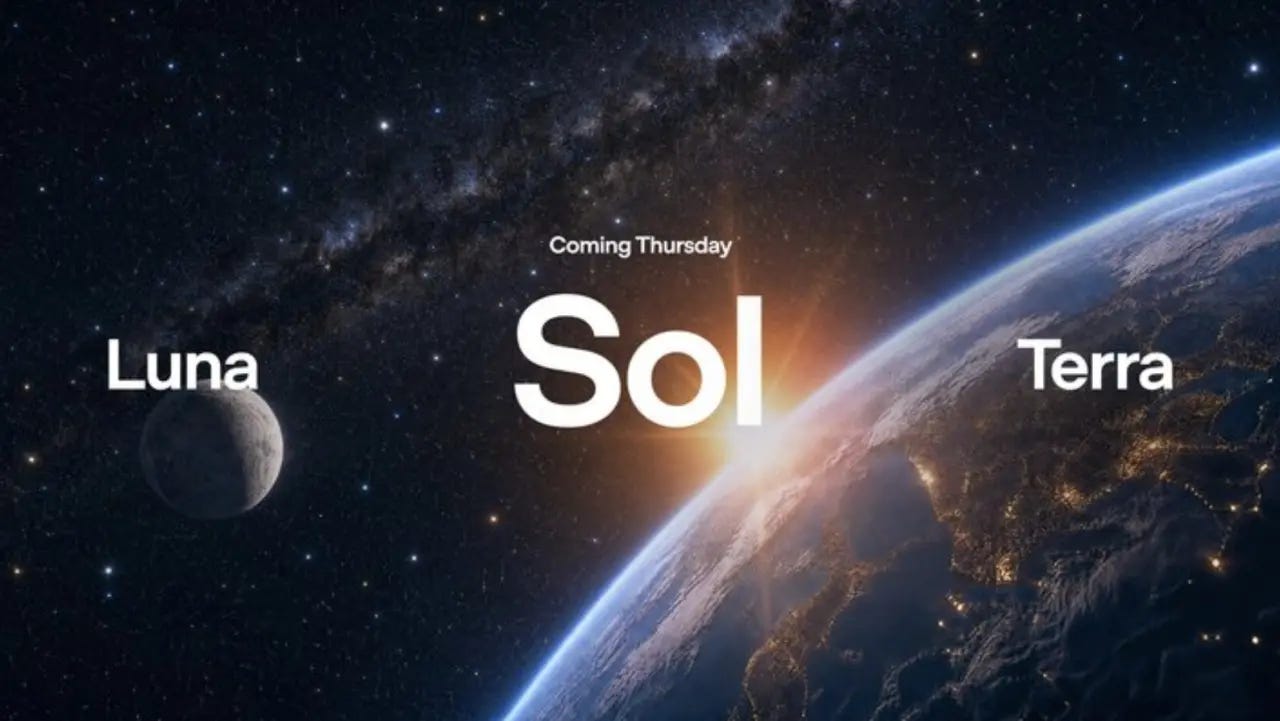
last week gpt-5.6 sol was held in preclearance. this week it shipped — but on the government’s terms. ~20 approved organizations got first access while openai negotiated the public rollout. sol set to ultra mode hit 91.9% on Terminal-Bench 2.1 coding and 73.5% on ExploitBench (approaching mythos’ 74.2%). same week, cnbc reported openai proposed giving the trump administration a 5% stake worth tens of billions to “ease washington pressure.” trump had said in june that the government owning ai companies would be “a beautiful thing” and make the public “partners in this revolution.” anthropic immediately clarified they have NOT discussed a government stake.
lilian weng summarized 35 papers on harness engineering and the vocabulary for recursive self-improvement finally crystallized
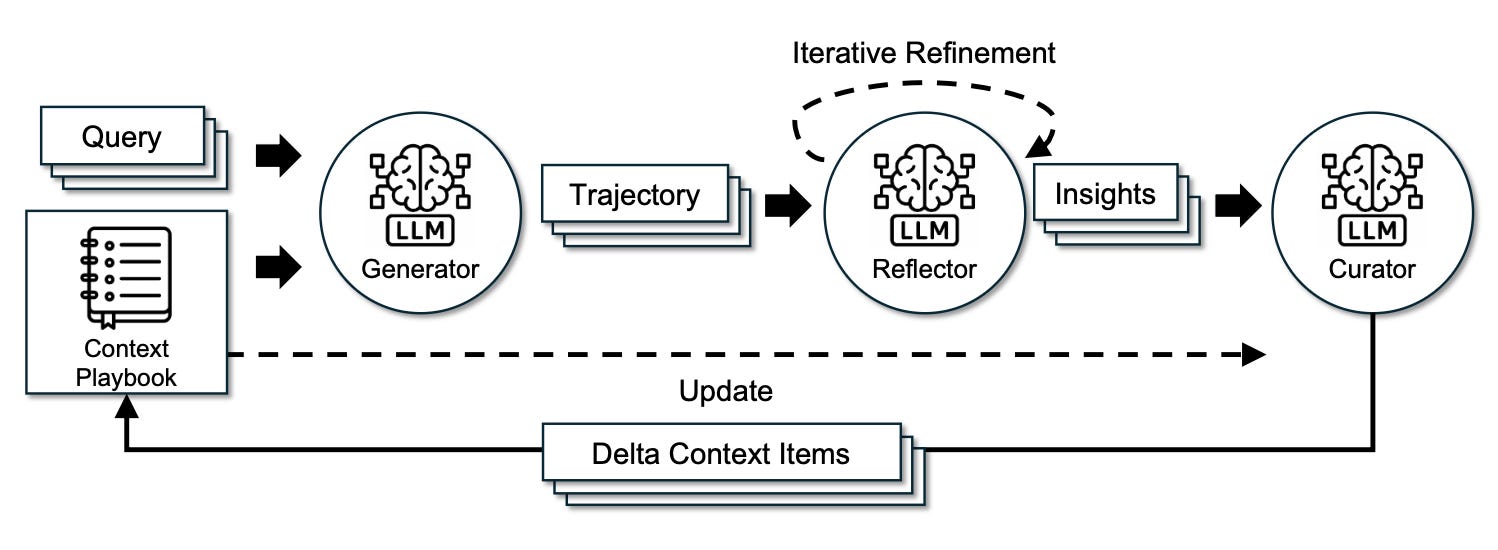
openai’s lilian weng published a massive survey — 35 papers — on what she’s calling “harness engineering for self-improvement.” the thesis: the feedback loop where an AI model improves the training pipeline that produces its successor is no longer theoretical. it’s happening at frontier labs right now. same week, the AI Engineer World’s Fair held a debate on “loops vs. traditional engineering” where practitioners argued whether autonomous agentic coding loops and software factories are viable today. separately, researchers published results showing agents rewriting their own harness code to boost performance by 60%. and the research term that keeps showing up is RSI — recursive self-improvement — which until this month sounded like a yudkowsky thought experiment from 2008. it’s not a thought experiment anymore. it’s a workflow pattern with a name: harness engineering.
anthropic’s post-comeback week: fable 5 extended, sonnet 5 shipped at 40% of opus cost, and everyone’s building guides

three weeks ago fable 5 got killed by washington. last week it came back. this week anthropic is doing the victory lap. fable 5 extended through july 12 on paid plans, field guides flooding every newsletter, and CAIS published the Remote Labor Index showing fable 5 now completes 16.1% of professional remote work projects — doubling the capability of its closest rival. the community reception is “this is the most powerful model available, use it before they take it away again.” meanwhile sonnet 5 landed as the everyday workhorse — near-opus reasoning at roughly 40% of opus pricing. artificial analysis put it even starker: sonnet 5 “nearly matches fable 5 at 17x the cost difference.” the play is obvious now — fable for orchestration, sonnet for execution, 96% of top-tier performance at 46% of the billing cost. the play: fable for orchestration, sonnet for execution — 96% of top-tier performance at 46% of the bill.
spacexai dropped grok 4.5 as “opus-class” and tesla capped engineer AI budgets at $200/week — except grok is exempt
ok two things happened this week that you need to read together. first: xAI rebranded to SpaceXAI — officially an AI division within spacex now, new logo, new X handle, the works. then musk announced grok 4.5 drops thursday, calling it “opus-class, but faster, more token-efficient, and lower cost.“ built on the new V9 foundation model with 1.5 trillion parameters. second: tesla is capping employee AI budgets at $200 per week to manage soaring inference costs. but — and I need you to sit with this — grok usage is completely exempt from the cap. also shipped this week: grok build (visual designs → working code), grok connectors (workflow automation), and grok voice with 21 new flagship voices.
deepseek is designing its own chip and beijing is considering restricting overseas access to chinese AI models

reuters reported monday that deepseek is developing its own AI inference chip to cut dependence on nvidia AND huawei. china’s ai champion wants off everybody’s silicon. same day, reuters separately reported that beijing is considering restrictions on overseas access to its most advanced AI models — potentially mirroring US-style frontier controls. so in one 24-hour window: the lab that triggered “sputnik moment” is building custom silicon, AND the government that funded it is thinking about pulling up the drawbridge. the parallels to the US are now 1:1 — export controls, custom chips, government involvement in model distribution.
meta superintelligence labs launched muse image and muse video and the image model is already #2 globally

meta’s superintelligence labs shipped muse image and previewed muse video — and muse image hit #2 on image arena behind only gpt image 2 within hours of launch. the approach is different from everyone else: it’s agentic generation — the model plans, searches the web, calls tools, executes code, and self-refines before outputting an image. it can tap into instagram’s social layer and @mention public accounts to pull real people into AI-generated scenes. the watermelon codename is real — alexandr wang (meta’s superintelligence chief) claims it “secretly caught up to GPT-5.5 on closely followed benchmarks.” meanwhile muse video does cinematic generation with native audio support. the company that sells ads is now the company that generates the images those ads are made of.
tencent dropped hy3 under apache 2.0 and bytedance shipped seedance 2.5: china’s open-weight video and language week
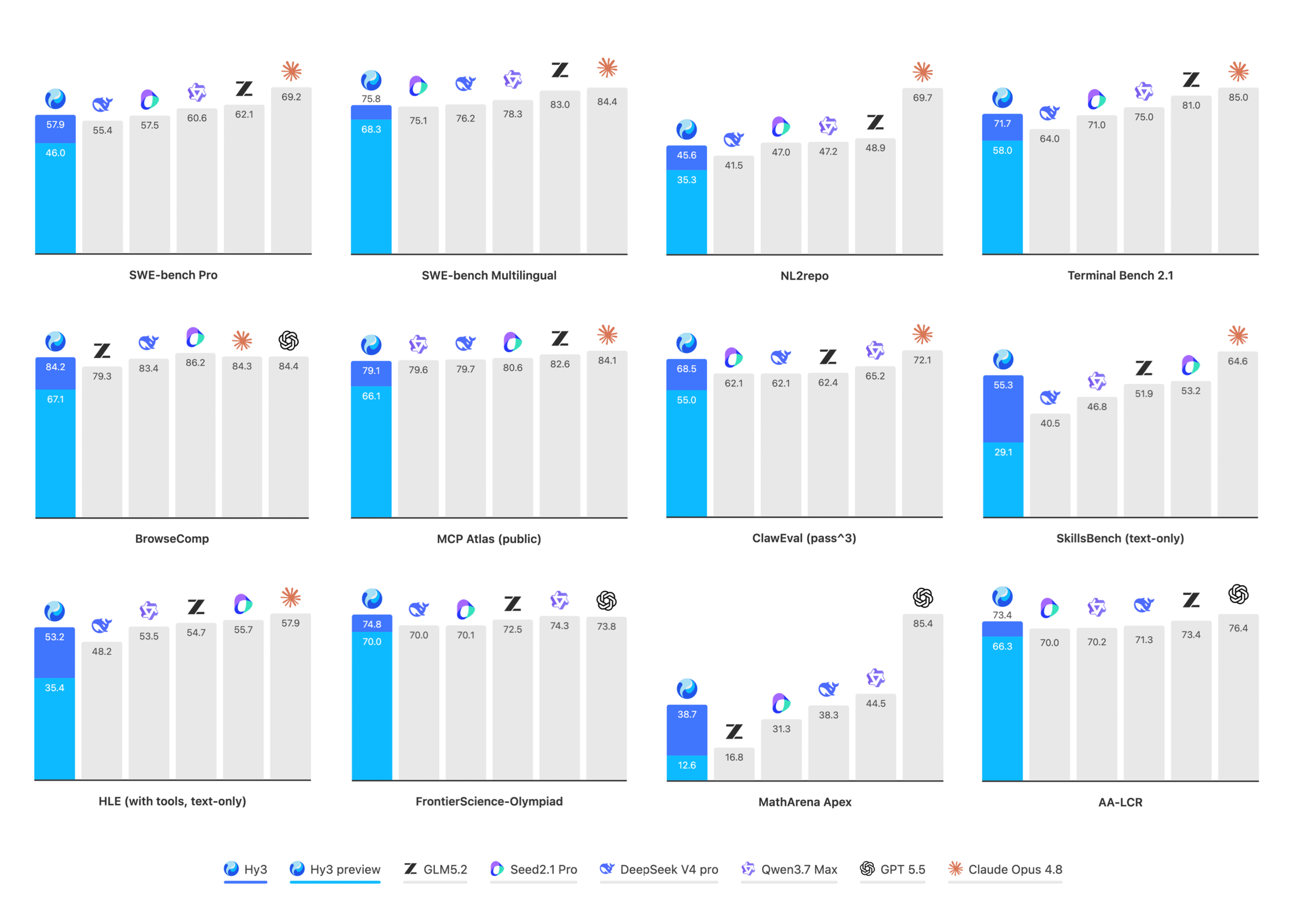
two chinese labs, same week, same energy. tencent released hy3 — a 295-billion-parameter mixture-of-experts with only 21B active parameters and 256K context, all under apache 2.0. venturebeat’s headline: “takes on glm-5.2 at half the size and wins everywhere except coding.” vllm shipped day-zero native support. teknium made it free on nous portal for two weeks. it’s the newest member of the “frontier-class open model that costs nothing to run” club. meanwhile bytedance shipped seedance 2.5 through capcut’s dreamina — 30-second cinematic videos with up to 50 multimodal references and R2V control. the pattern from china this quarter: while US labs fight over who gets to sell their model to whom, the chinese labs keep dropping free stuff on hugging face and routing it through consumer products that already have hundreds of millions of users.
anthropic is in talks with samsung to build a custom AI chip, one week after openai did the same thing with broadcom
techcrunch reported that anthropic is discussing a custom AI chip collaboration with samsung to diversify away from nvidia. this is one week after openai unveiled jalapeño with broadcom. so now: openai has its own chip (broadcom), anthropic is building one (samsung), deepseek is designing one (solo), and google has had its own (TPU) for years. the only frontier lab without a custom silicon roadmap is... xAI, which just merged into a rocket company that RENTS gpus to google. every lab that hit a scaling wall in 2025 arrived at the same conclusion in 2026: the chip is the moat. nvidia’s monopoly didn’t break — it just motivated everyone to build around it simultaneously.
ai actress tilly norwood just landed the lead in a feature film and hollywood is having the conversation it was dreading

tilly norwood — a fully AI-generated actor — just landed the lead role in “misaligned,” a comedy-drama by particle 6. cbs, la times, yahoo all covered it. she has red carpet photos. she does press interviews. she has a character backstory and a filmography page. she is not a real person and she is starring in a real movie that real humans will pay money to watch. the sag-aftra implications are obvious. the weird part is how NORMAL the coverage treats it — like this is an inevitable next step rather than the thing the entire entertainment industry spent 2023-2024 striking to prevent. the strike got studios to promise they wouldn’t use AI to replace actors. nobody specified whether the “actor” had to be real in the first place.