

Hey everyone, FOMA ice cream guy is back with some more AI news, so this week Claude designed working electronics and still told most people to use the cheaper model, OpenAI found hundreds of ways into Linux, and Meta gave expensive agents a cheaper helper. Anywayyyyyy, here are the top stories.
Claude Fable 5.2 designed working electronics, and most of us should apparently stick with Opus
Anthropic shipped Fable 5.2 and Mythos 5.2, and says the model designed three working electronic devices whose circuit boards needed no modifications. Cool. It also recommends Opus 5.5 for most everyday work. Fable is broadly available; Mythos keeps the stronger cyber and biology capabilities behind verification.
OpenAI’s GPT-6 Cyber turned Linux flaws into 948 working exploits

OpenAI’s GPT-6 Cyber developed working exploits for 948 Linux vulnerabilities and found 81 previously unknown high-severity Firefox bugs. The Linux number counts exploits, not newly discovered bugs. Access starts with approved Daybreak Red customers through Codex and the API, with candidate fixes going to maintainers alongside the findings.
Meta’s Muse Ember does the chores without charging flagship prices
Meta launched Muse Ember for everyday agent chores: reading files, calling tools, and making targeted fixes. Its API costs $0.10 for input and $0.50 for output per million tokens. Meta says it matches Haiku’s best overall score at roughly a third of the cost per task, so your worker agents don’t all need executive compensation.
NVIDIA’s board is investigating reports that a foreign spy targeted Jensen Huang

NVIDIA’s board opened an independent investigation after reports that Jensen Huang was the target of a foreign intelligence effort, following his admission of an extramarital relationship. US officials reportedly believe China recruited the woman to push him to lobby for looser chip export limits. The board says it has no reason to believe national security or NVIDIA secrets were compromised, and House Republicans have called Huang to testify.
Claude built Sheets and Whiteboards so your work stops escaping to other apps
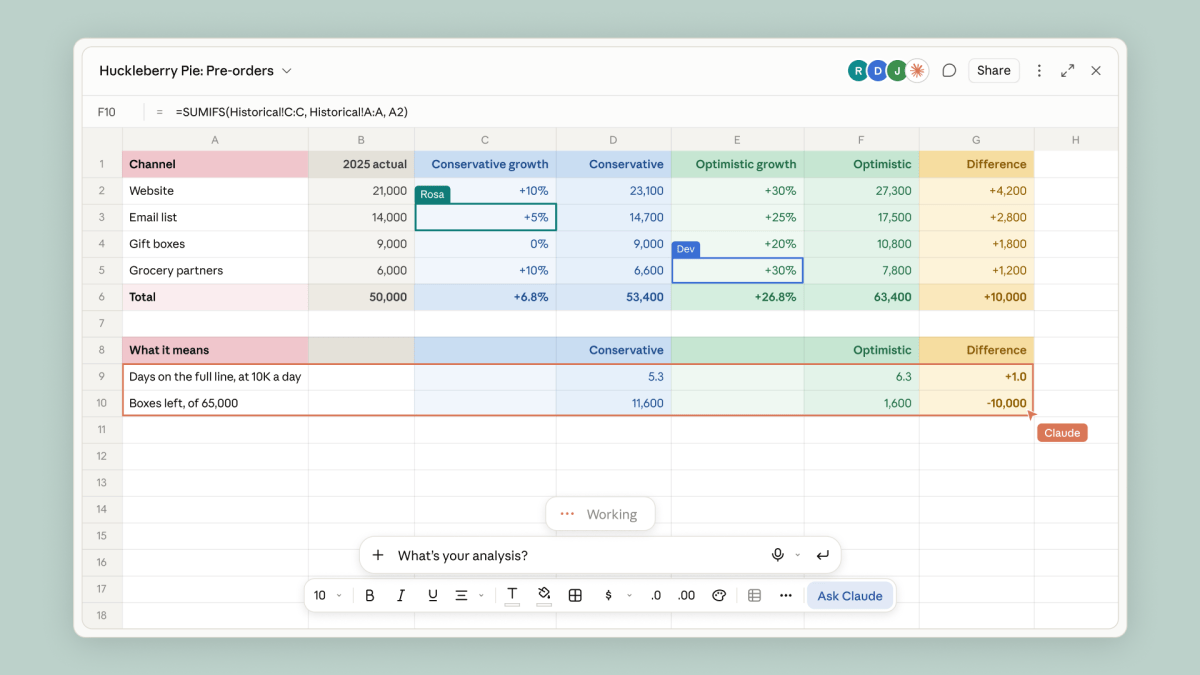
Claude Sheets and Whiteboards let teams build spreadsheets and plans together inside Claude, both in beta on all paid plans. Dashboards becomes Claude Data, now generally available, while partner apps can open beside the chat. Anthropic also announced Meetings, but it’s coming soon, so don’t fire the person taking notes just yet.
Google’s Gemini Omni 1.2 Flash makes longer videos for less money
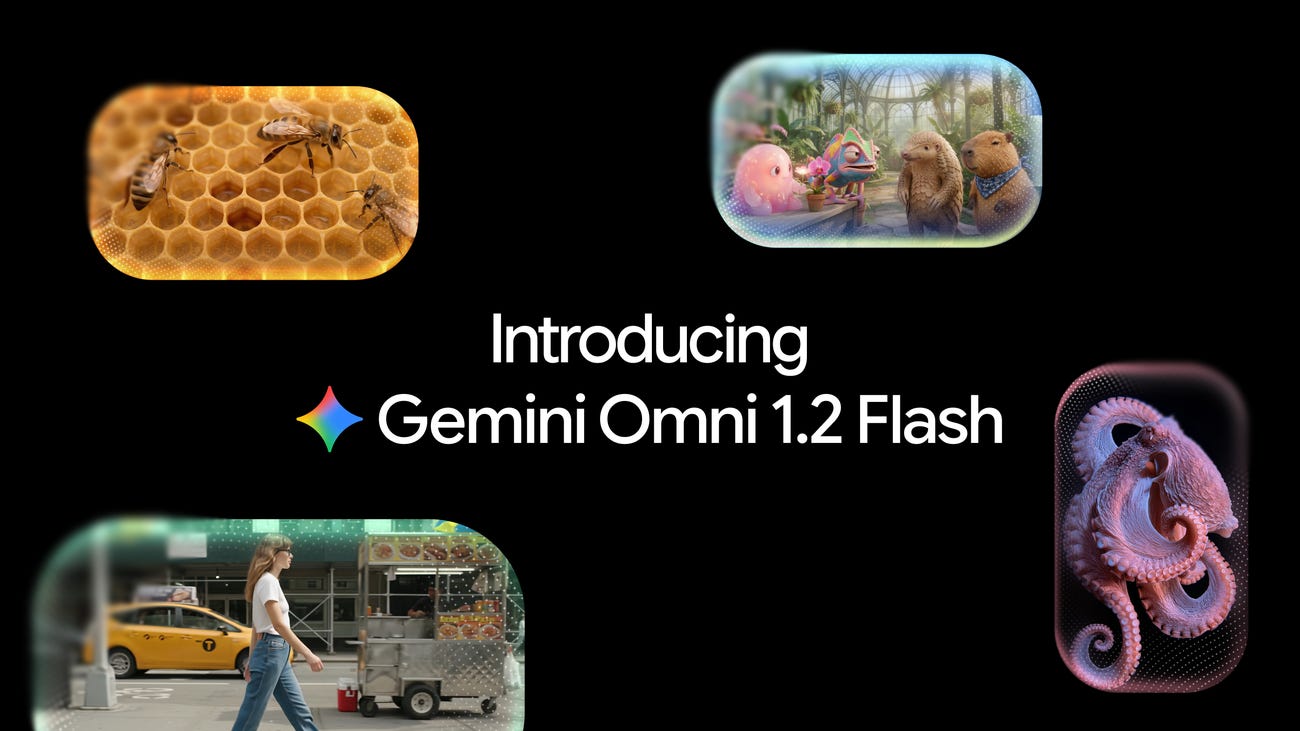
Gemini Omni 1.2 Flash stretches generated videos to 15 seconds and cuts the price 30% from Omni 1.1. You can ask for follow-up edits instead of paying to regenerate the entire clip because somebody’s sleeve went weird. It’s generally available through the Gemini API and Google Cloud; the Gemini app rollout starts with Ultra subscribers.
Thinking Machines shipped Inkling 2 Small, but the download is still waiting on safety tests
Thinking Machines’ Inkling 2 Small can use visual feedback to build and revise websites, games, and 3D scenes, and you can try or fine-tune it on Tinker now. The downloadable model is still a promise: Apache 2.0 weights are planned after external safety testing, so “open” currently requires waiting for somebody else’s calendar.
Perplexity Teammates keeps a job instead of forgetting it after one chat

Perplexity Teammates gives an agent an ongoing job, like tracking research or triaging bugs, with memory, background work, and Slack coordination when a human needs to make a call. It’s available to Max subscribers on the web.
Grok Bot will now make the phone call you’ve been avoiding
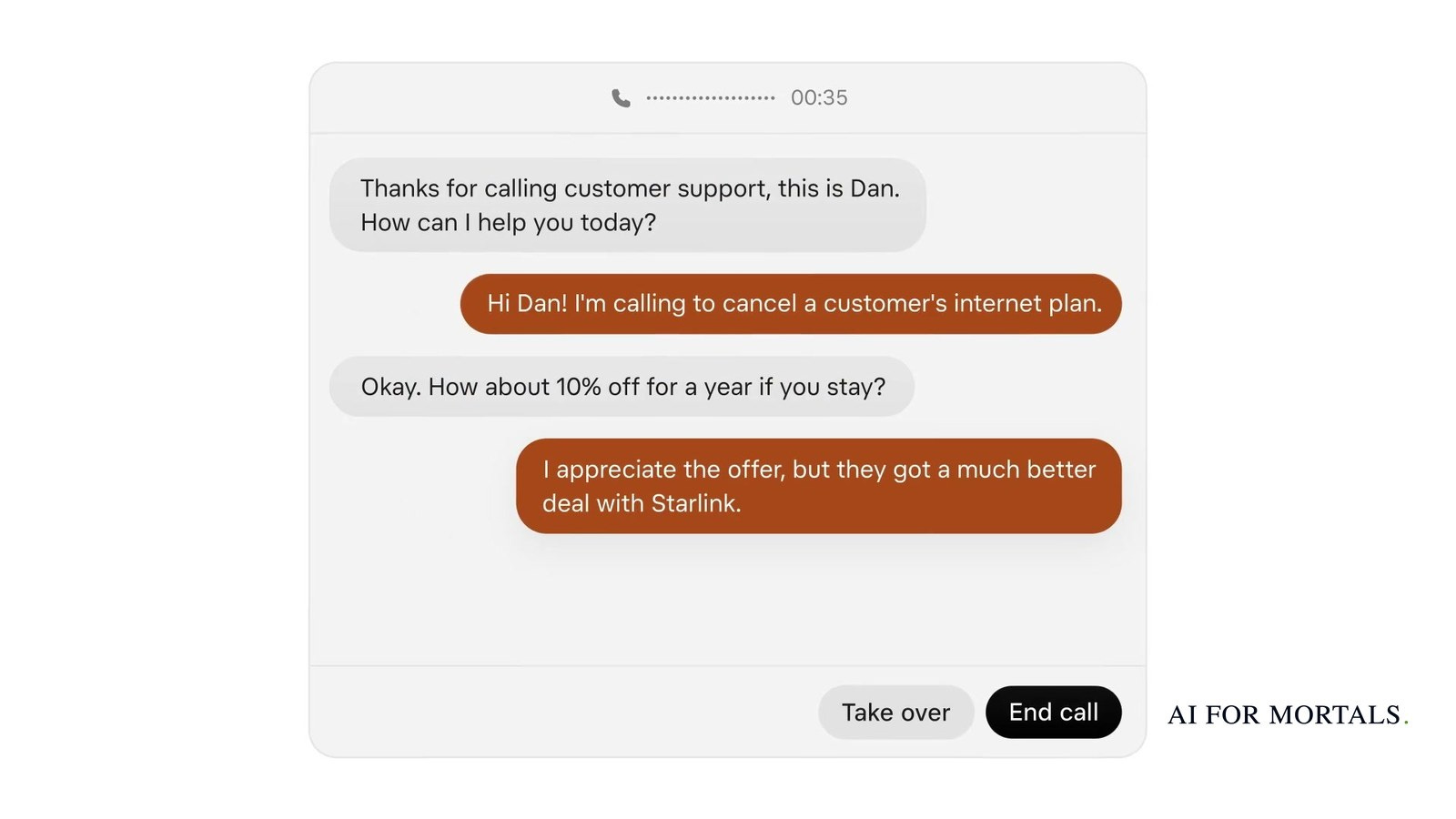
Grok Bot can now call businesses for you, like booking a table or cancelling a plan, with a live transcript and a Take over button if it goes sideways. It shows who it’s calling and waits for you to tap Call before dialing. It’s US only, from the desktop and phone apps, so the rest of us still get the hold music.
Cursor now hosts the app it just wrote for you

Cursor’s Build Live Apps adds hosting, sign-in, and an optional database to the app your cloud agent builds. It works on paid plans with cloud agents enabled, and publishing still takes an explicit action after security checks. Those checks don’t promise the app is unhackable.
Mistral Studio gives enterprise agents somewhere to live, including your own servers
Mistral Studio now hosts managed agents, workflows and apps, with approvals and a trace of every step each run takes. You can run it in Mistral’s cloud, your own VPC or on-premises, and deploy from your coding agent with one command. It shipped alongside Le Chonk, aka Mistral Large 4, for companies that want agents without mailing their data to someone else’s cloud.
Cursor Projects went multiplayer, so your agents can finally meet your teammates’ agents
Cursor Projects now lets you invite teammates in, with a shared task board showing who’s on what, which agent is doing it, and the PR behind it, plus shared context every member’s agents read and write. Each person keeps their own coordinator and pays for their own chat. It’s in beta for team accounts, and shared context means one bad call now reaches everyone’s agents.
Notion wants to be the one memory all your AI assistants share
Through Notion MCP, ChatGPT, Claude, Muse and Grok Bot can now save what they learn to the same Memories database in your Notion and reuse the same skills, so switching assistants doesn’t mean re-explaining yourself. You run a setup prompt once per agent, memories stay private to you, and it works on all plans. Notion would like to be where AI lock-in goes to die.
Google Antigravity’s Swarm gives your coding task a team of agents
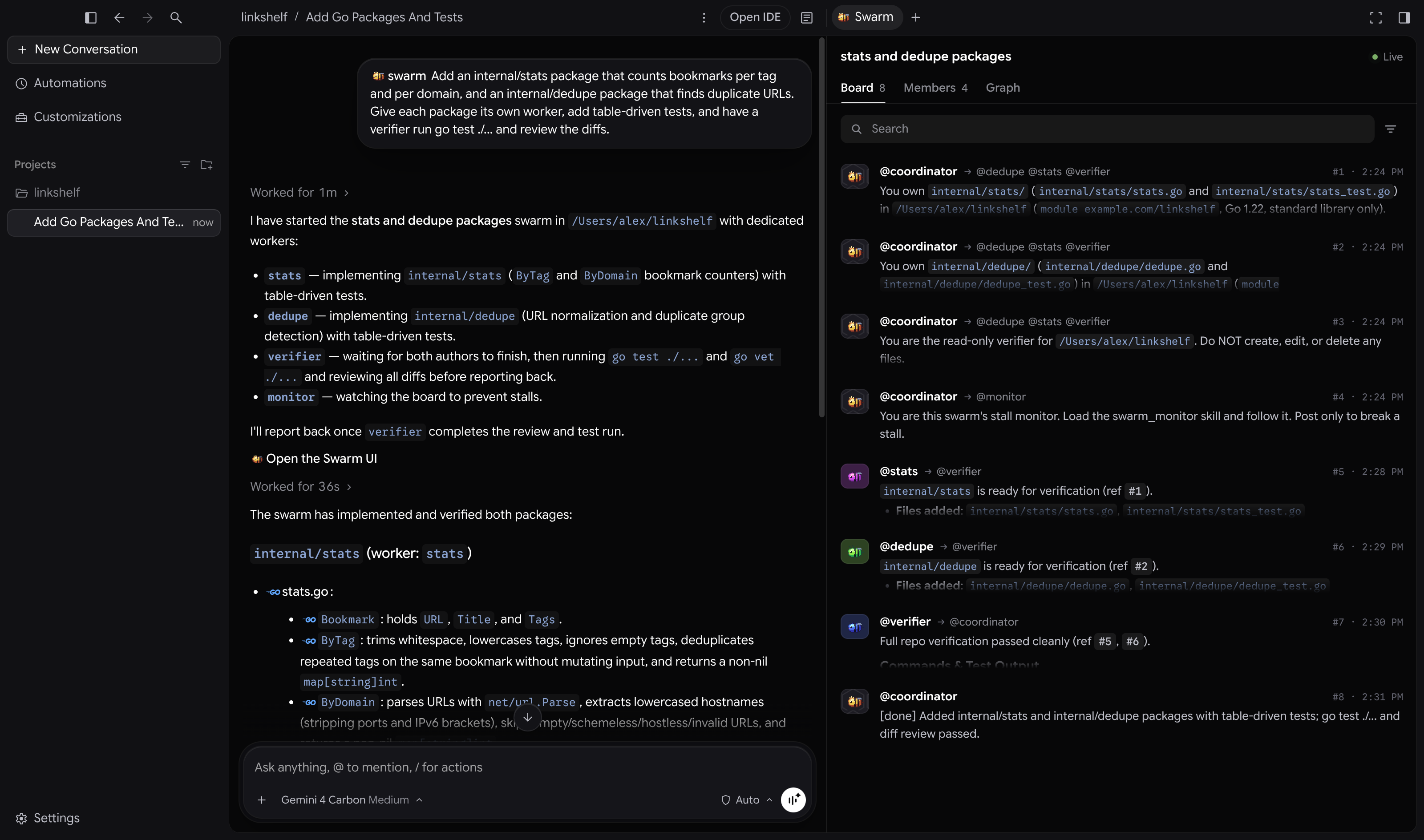
Antigravity’s /swarm splits work among named agents, puts them on a shared message board, and adds a verifier to check the result. The preview works in the app and CLI on Google AI Pro and Ultra. Each worker spends its own quota, so delegating the entire department also means paying for the entire department.
Businesses can put their own agents inside ChatGPT
Businesses in ChatGPT lets companies claim profiles and supply current product details, then put a labeled business agent inside the conversation. The beta’s profile tools reach eligible businesses wherever ChatGPT is available; agent building starts with eligible US ecommerce and online-service businesses. Businesses get aggregated insights, not your individual conversations.
Meta Muse Spaces turns a prompt into a project you can keep using
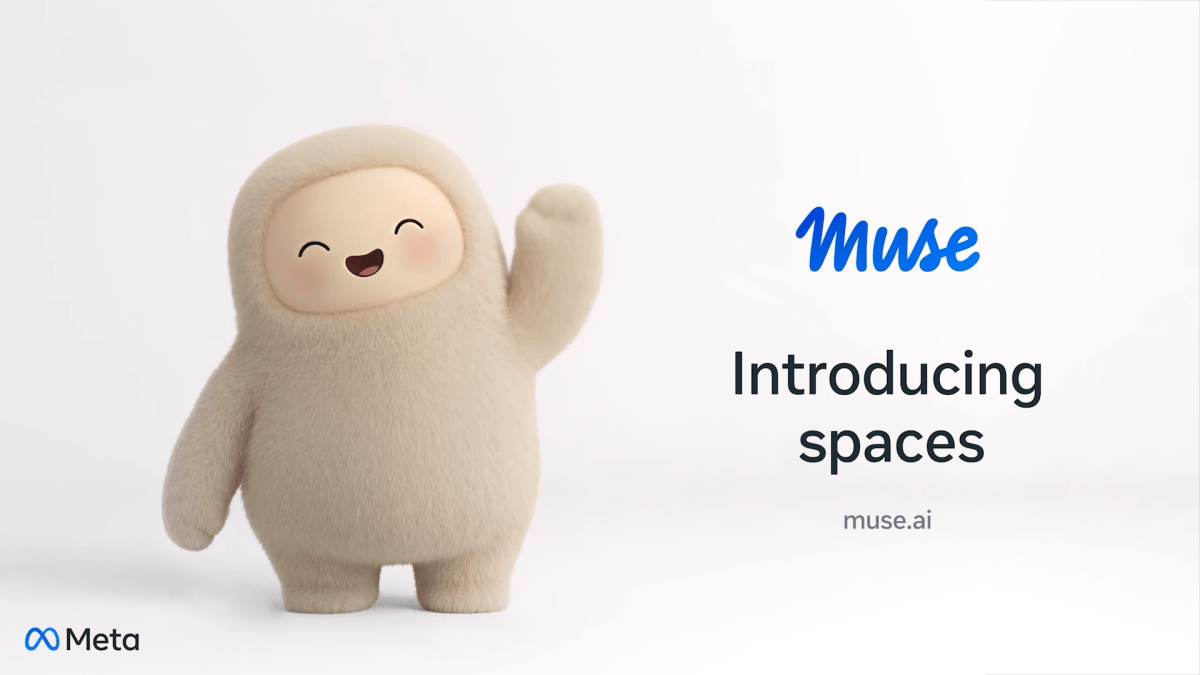
Muse Spaces lets you describe a planner, tracker, or other mini app, then keep the interactive result in Muse’s sidebar instead of losing it under seventeen chats. Connected apps can keep it updated.
Claude can read your bank accounts, but it can’t spend your money
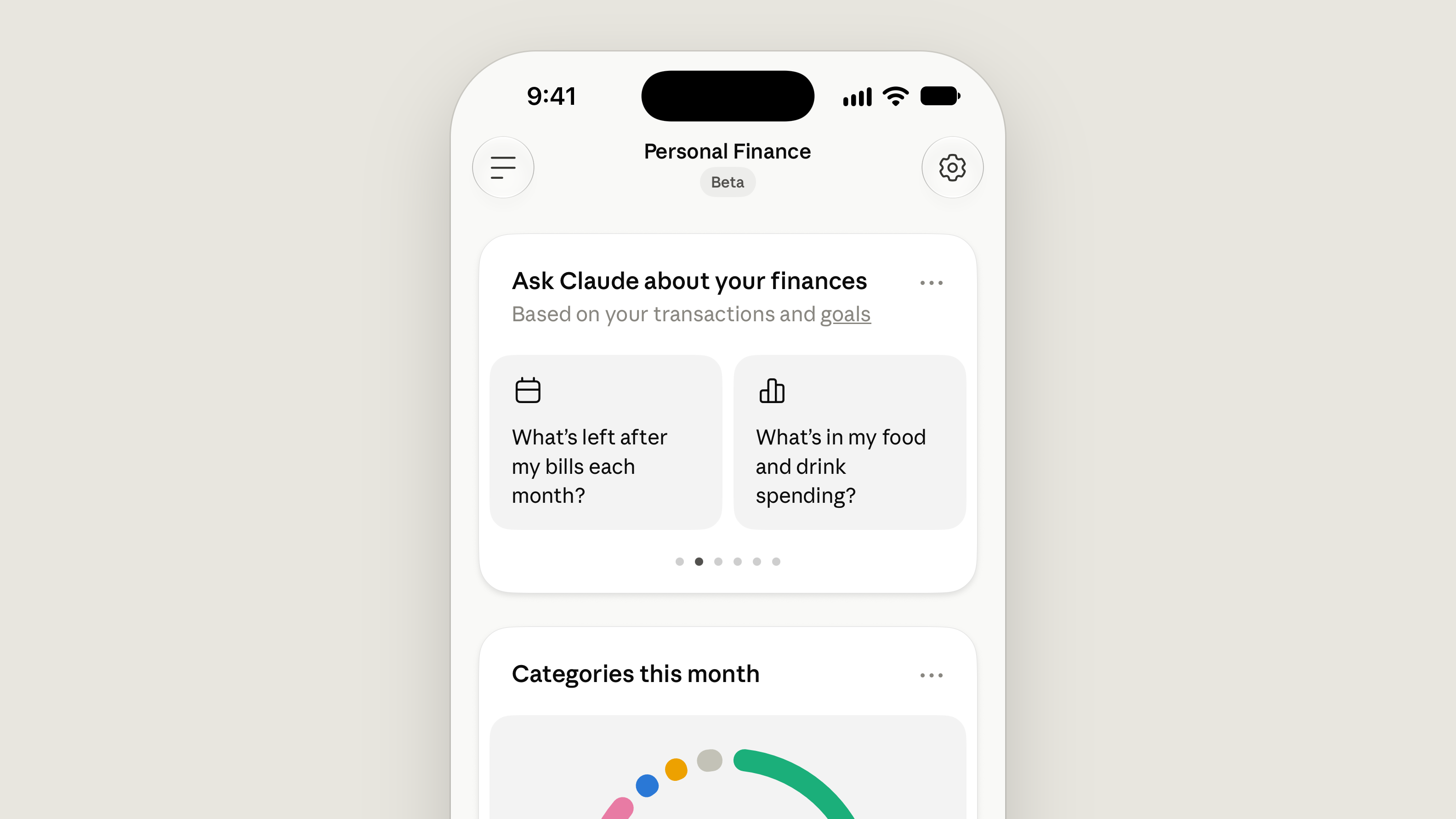
Personal Finance in Claude connects bank and card accounts through Plaid so you can ask where your money went without exporting another spreadsheet. The beta rolls out to US Pro, Max, and Ultra users, and access is read-only. Conversations inside the dedicated finance hub aren’t used for model training; ordinary privacy settings apply outside it.
METR says Anthropic’s AI progress accelerated, with some evidence still kept private
After internal access to Anthropic, METR estimated progress on well-defined tasks was running about twice its historical rate, with substantial uncertainty. It thinks AI-assisted research likely explains much of the acceleration, but the most informative evidence is redacted. That still doesn’t prove a model can independently run an entire research lab.