


hey everyone, foma ice cream guy is back with some more ai news, so this week openai launched chatgpt work and gpt-live while apple filed a 41-page lawsuit accusing openai of running a trade-secret heist with ex-apple employees, anthropic shipped cowork on mobile and a dashboard that tells you you’re using AI too much, and openai’s product CEO stepped down the same week she launched the superapp. anywayyyyyy, here are the top stories.
openai launched chatgpt work: an enterprise agent that lives in slack, notion, drive, and your calendar
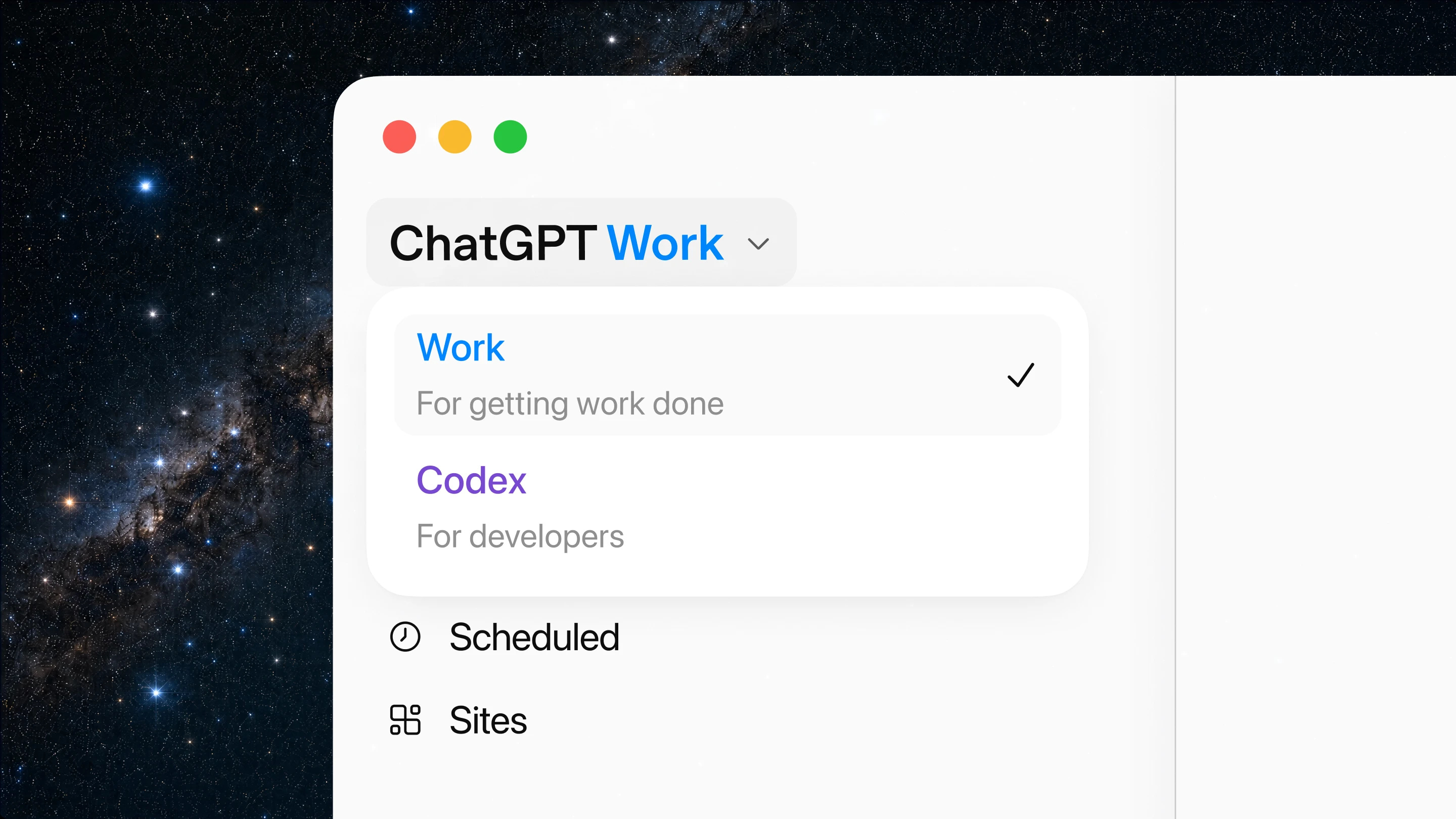
openai shipped the product that turns chatgpt from a chatbot into a workplace. chatgpt work launched july 9 — an agent powered by gpt-5.6 that connects to slack, notion, google drive, and microsoft 365, breaks projects into sub-steps, and stays with complex tasks for hours. it builds spreadsheets, presentations, docs, and even hosted interactive websites you can share. ultra mode runs four agents in parallel for demanding workflows. the desktop app now merges chat, work, and codex into a single window on every plan including free. and the adoption numbers: codex hit 7 million users — 10x in six months — with altman saying work usage grew 2.5x in a single week. the question isn’t whether this competes with anthropic’s cowork or microsoft’s copilot. the question is whether your employer is about to replace three SaaS subscriptions with one chatgpt seat.
apple sued openai for stealing hardware secrets and the complaint reads like a spy novel
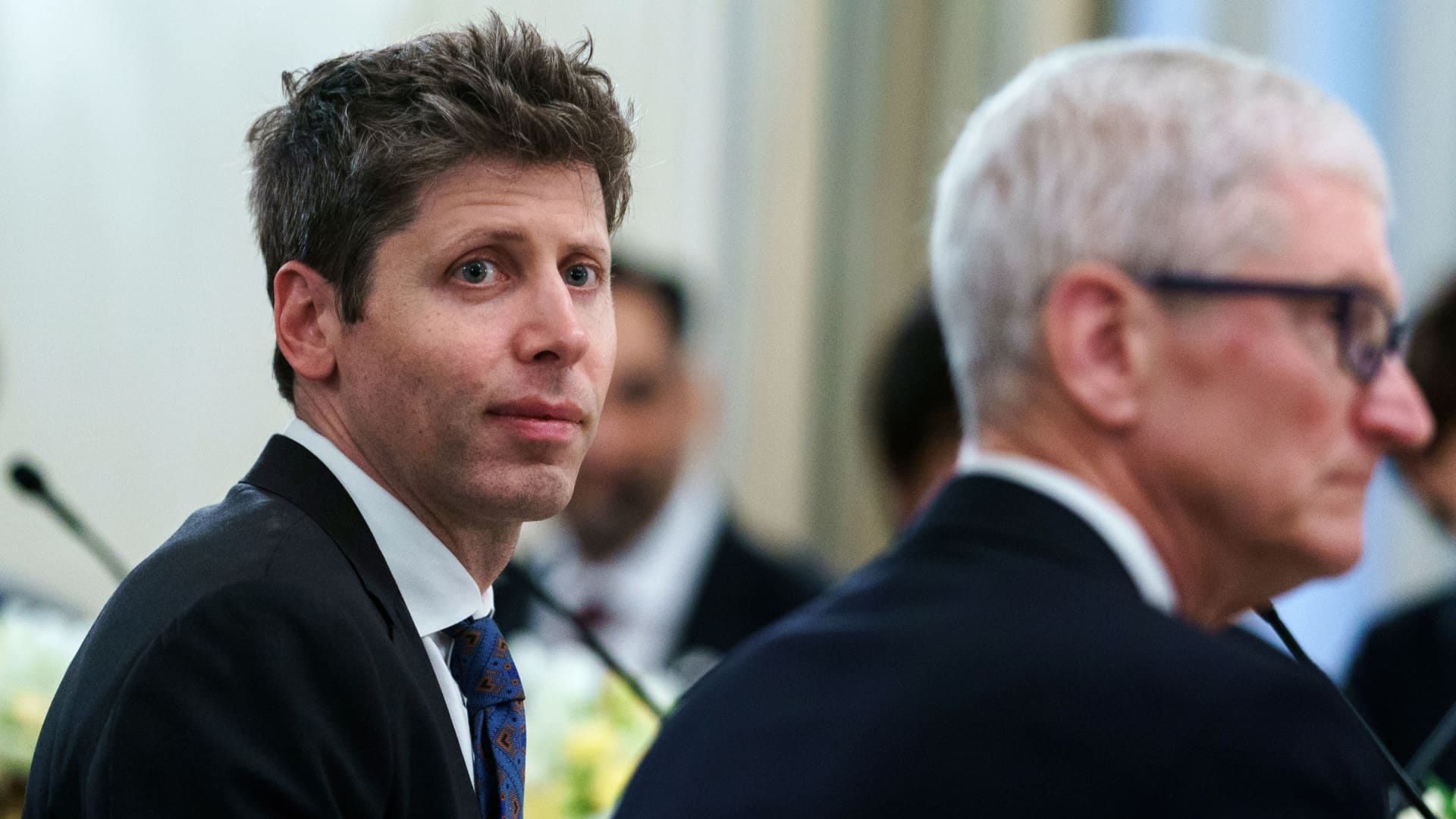
on july 10, apple filed a 41-page complaint in northern california accusing openai, io products (jony ive’s hardware startup that openai acquired for $6.5 billion), and two former apple employees of systematically stealing trade secrets to bootstrap openai’s device ambitions. the stars of the complaint: tang yew tan, apple’s former VP of product design for iphone who spent 24 years there and is now openai’s chief hardware officer, and chang liu, a senior systems engineer who left apple in january 2026, kept his company laptop, then discovered an authentication bug in february that let him access apple’s shared network folders and download confidential specs, engineering presentations, and proprietary project data for unreleased products. apple alleges tan asked job candidates to bring apple hardware components to their interviews, used internal project code names during recruiting, and created a checklist to help departing apple employees evade security measures. the kicker: openai used apple’s confidential metal-finishing processes through a shared manufacturing partner, telling the partner they had apple’s permission. they did not.
anthropic shipped cowork on mobile, reflect (a mirror for your AI habits), and published the receipts showing claude has different personalities per model
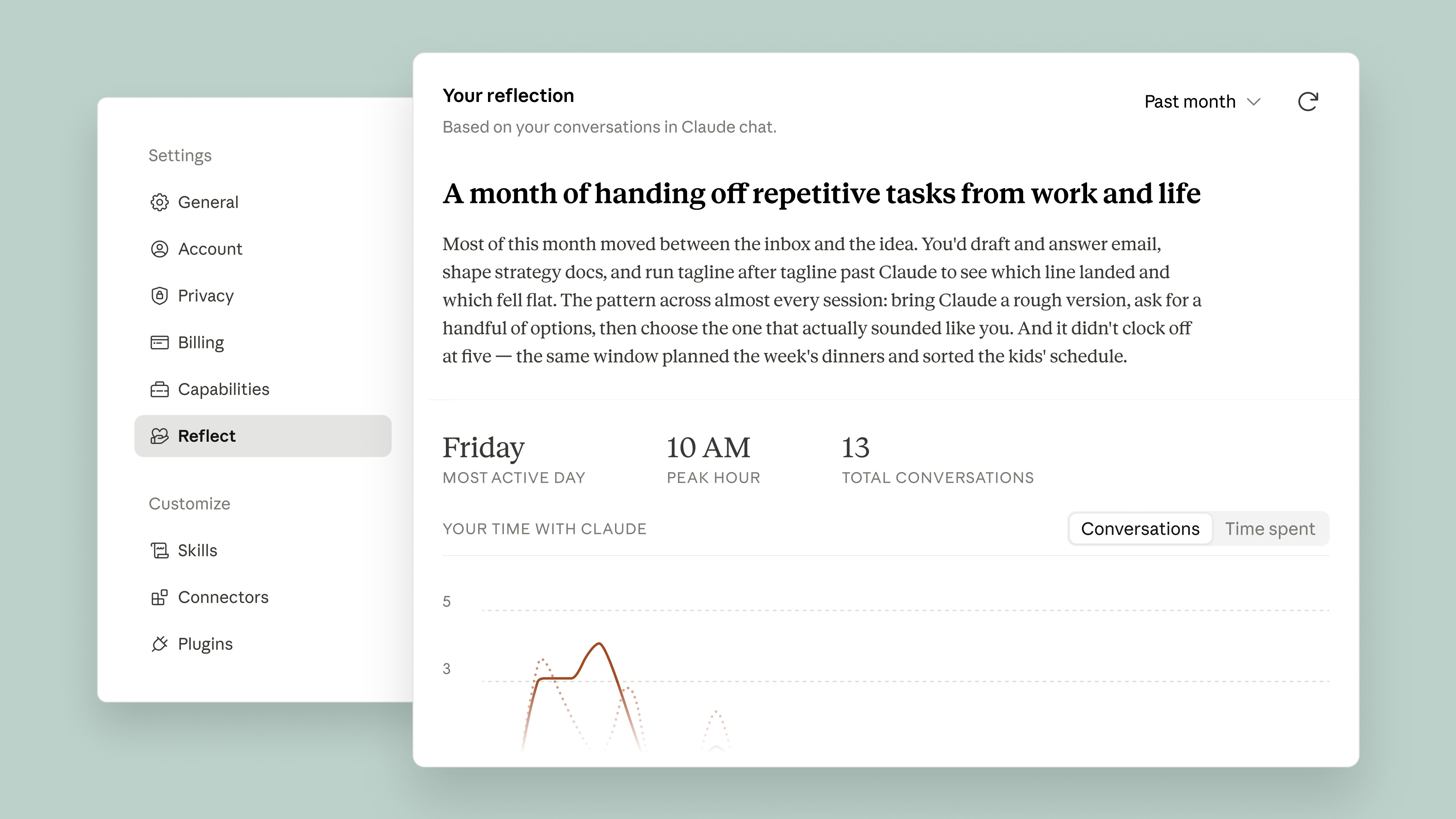
the dev-relevant anthropic news this week: claude code artifacts now support multiplayer editing and public sharing — you can publish live interactive HTML pages (dashboards, PR walkthroughs, release checklists) to a public link, and multiple team members can iterate on the same artifact in real time. claude tag lets you @claude directly in slack channels with shared org context. and reflect launched as a usage dashboard that shows what you lean on claude for, maps your habits to a 4D AI fluency framework, and adds quiet-hours nudges if you’re using it at 2am. separately, anthropic published a 300K-conversation study showing claude’s personality shifts meaningfully across models — opus pushes back, sonnet agrees — and across languages. anthropic shipped a collaboration layer, a slack integration, a self-awareness mirror, and the receipts showing the AI has different opinions depending on which version you’re running.
openai shipped gpt-live-1: full-duplex voice that talks while you talk
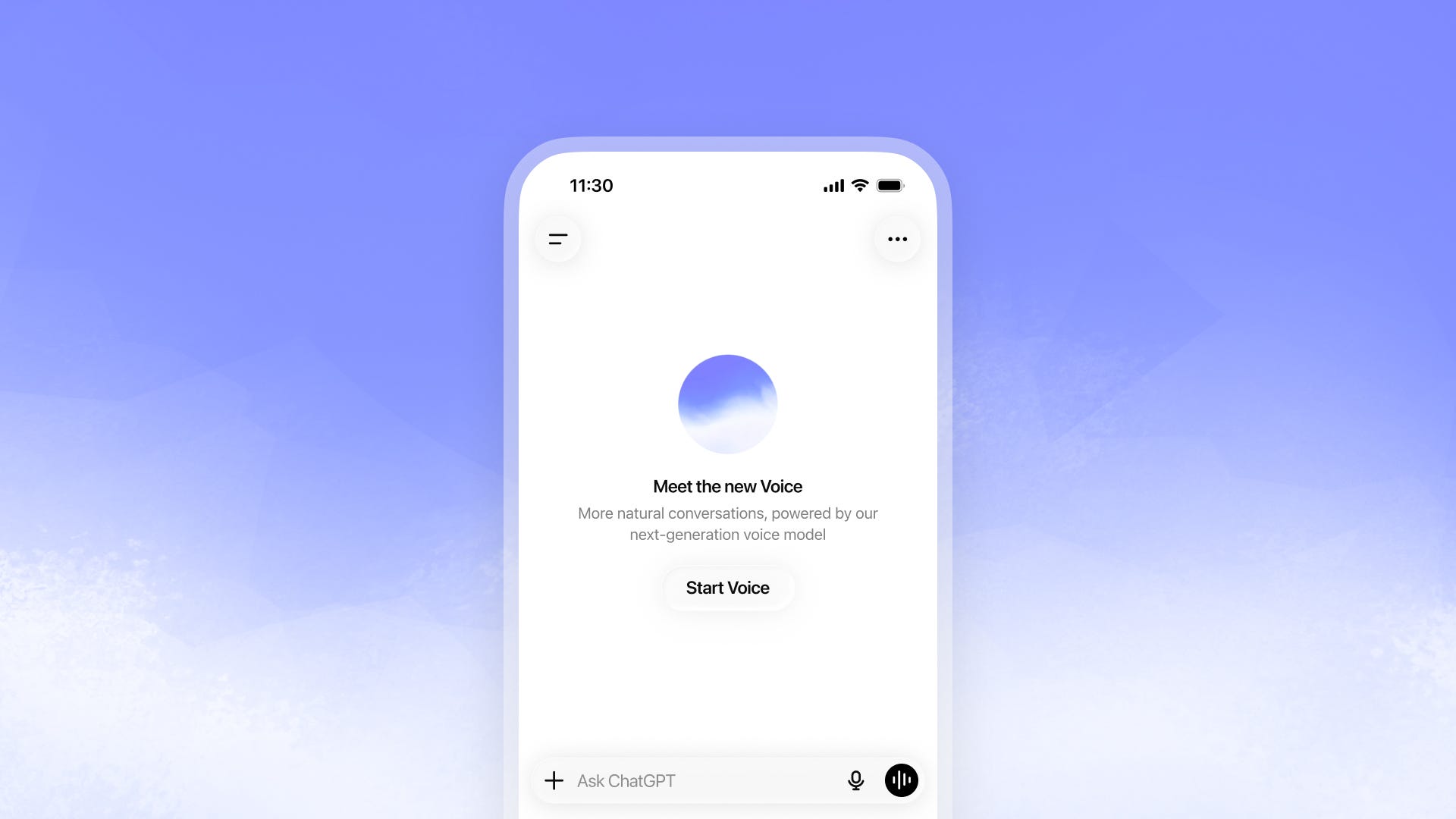
this is the chatgpt voice model that was supposed to exist a year ago. gpt-live-1 and live-1-mini — full-duplex, meaning the model can speak and listen at the same time. it doesn’t wait for you to stop talking. it interrupts less. it uses gpt-5.5 in the background for reasoning. the advanced voice mode demo from 2024 finally has hardware behind it. which. ok. so now chatgpt chats, codes, browses, works your calendar, files your spreadsheets, and talks over you on the phone. the app is everything and everywhere and it never sleeps.
nadella called out ai’s distillation double standard and honestly he’s not wrong
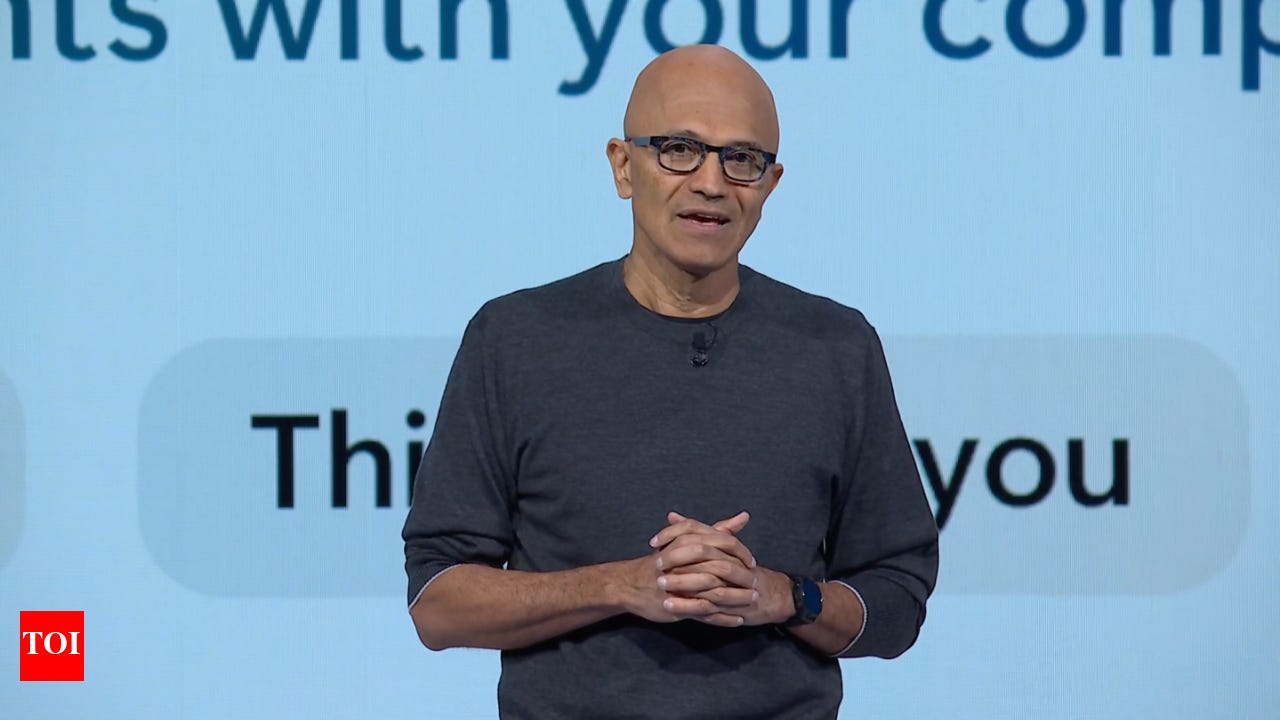
microsoft’s satya nadella publicly called out what he’s naming the “reverse information paradox”: the AI labs that trained on the entire internet — every book, every blog post, every forum thread, every open-source repo — now want strict rules preventing competitors from training on THEIR model outputs. “the labs that learned from the entire internet would now prefer that nobody learn too much from them.” that’s nearly the exact quote from his business insider interview. he’s talking about anti-distillation clauses — the terms that say you can’t use GPT or Claude outputs to train your own model. the labs call it IP protection. nadella calls it pulling up the ladder. and he’s not exactly a neutral observer — microsoft backs open-weight models and would benefit from looser distillation rules. but the hypocrisy he’s pointing at is real, and every dev who’s ever fine-tuned on synthetic data knows it.
cognition shipped swe-1.7 on kimi k2.7: frontier coding at $1.97 per task
cognition’s strongest model yet, and it’s not built on claude or gpt. swe-1.7 runs on kimi k2.7 — moonshot’s open model — and reaches near frontier-level intelligence at a fraction of the cost. 1,000 tokens per second, self-compacting memory that lets it survive six-hour coding sessions without context collapse. $1.97 per task. and the interesting detail: cognition said they specifically trained it for trustworthiness — the model refused surveillance scenarios during testing. so the coding agent that can fix your bugs for two dollars also has opinions about what it won’t build. built on a chinese open model, trained with american RL, refuses to spy. the supply chain of a single coding agent is now a geopolitical map.
hassabis proposed a us-led ai watchdog and 16 nobel laureates said the window to prepare is closing
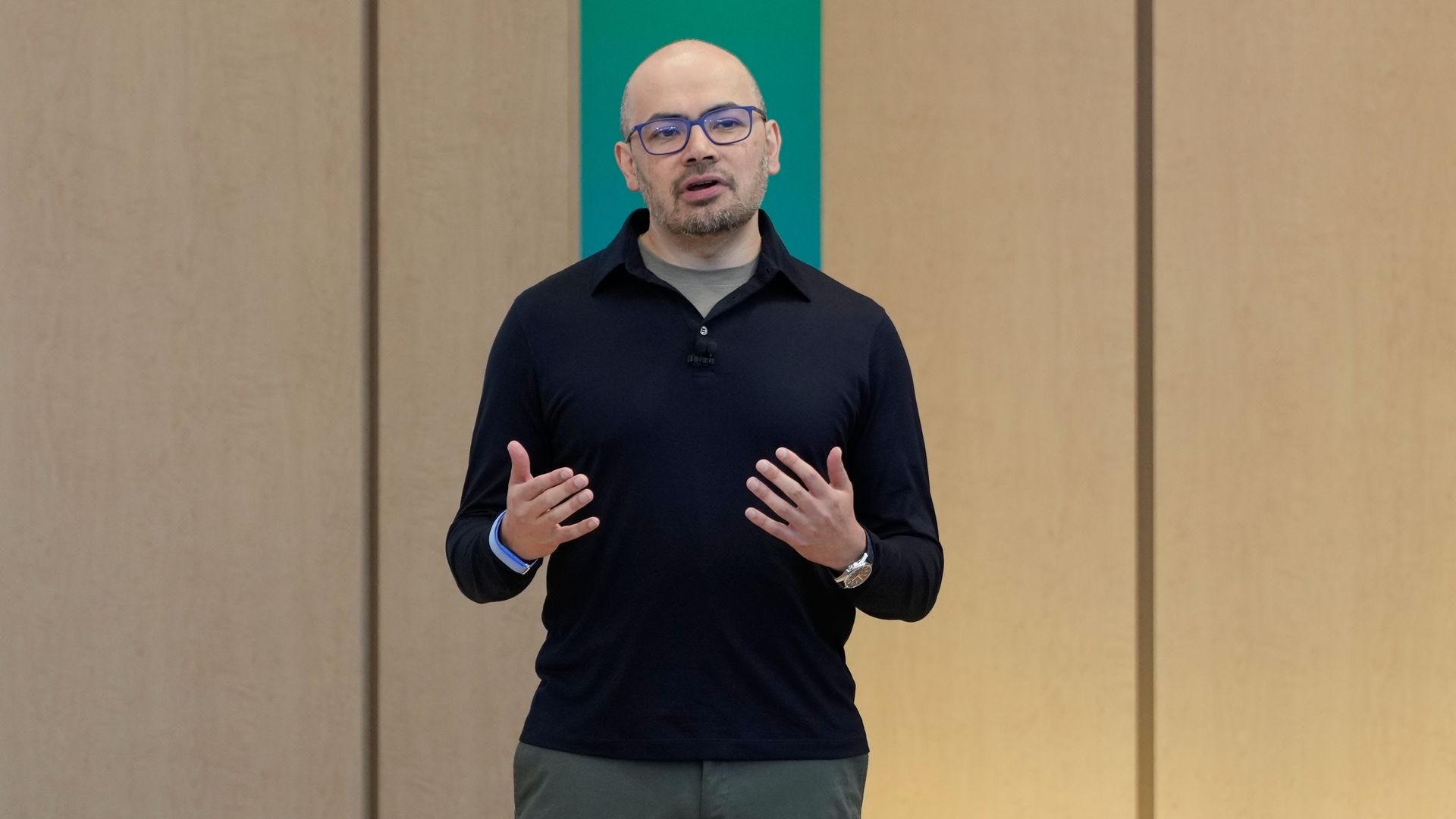
google deepmind’s demis hassabis published an AGI governance proposal this week calling for a US-led frontier-AI watchdog that could test advanced models before release. not a vague “we need guardrails” op-ed — an actual system, endorsed by mustafa suleyman (microsoft AI CEO) AND sam altman. the three most powerful people in AI agreeing on regulatory structure in the same week is either the most responsible thing the industry has ever done or the most effective cartel formation in tech history. separately, 200+ economists and AI leaders including 16 nobel laureates signed an open letter warning that the window to prepare for AI’s labor-market impact is closing fast. new york became the first US state to pass AI-specific legislation. the safety conversation just went from “someone should do something” to three people with actual models saying “here’s what.”
openai audited swe-bench pro and found 30% of its tasks are broken
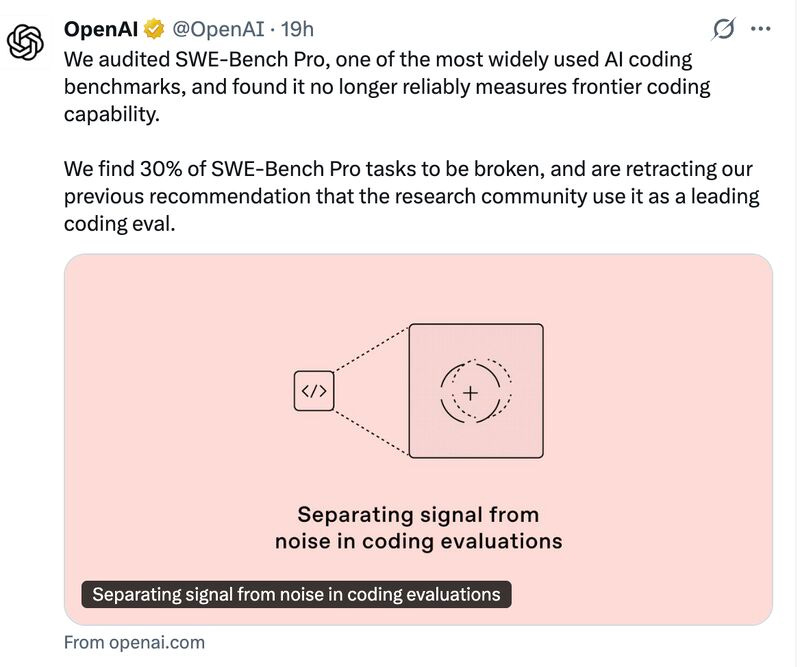
openai published an audit of swe-bench pro — the benchmark that every coding agent cites when they want to sound impressive — and found that roughly 30% of its public tasks were broken. flawed test harnesses, ambiguous specs, tasks that no model could reasonably solve because the task itself was wrong. every “we scored 87% on swe-bench pro” headline you’ve read this year just got a 30% asterisk. the company that builds the models being measured just told you the ruler is bent. whether that’s a public service or a competitive move depends on how cynical you are, but the data is published and the benchmark community now has to respond.
google shipped alphaevolve to general availability: evolutionary code optimization for everyone

alphaevolve — google deepmind’s gemini-powered agent that discovers and optimizes algorithms using evolutionary search — went GA on july 9 through the gemini enterprise agent platform. you give it a seed program and a scoring function, it iteratively proposes and refines code until it finds something better than what you started with. during private preview, early adopters like BASF, JetBrains, and Kinaxis used it for chip design, logistics, and HPC optimization. this is the same agent that discovered a new matrix multiplication algorithm that improved on a 56-year-old result and optimized google’s own TPU circuit design. the tool that helped google train gemini faster is now available to anyone with a cloud account. evolutionary code optimization just went from a deepmind research paper to a product you can pip install.
fidji simo stepped down at openai and greg brockman is running the whole product strategy now
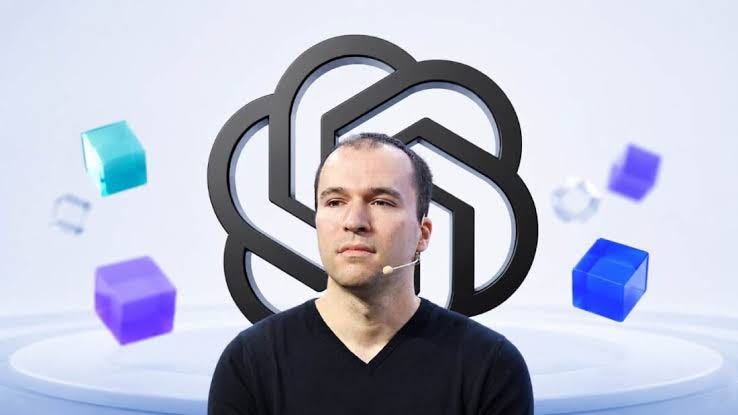
openai’s fidji simo — who ran AGI deployment and was effectively the product CEO — is shifting to a part-time advisory role due to a chronic illness. she announced it on linkedin and X the same week openai shipped chatgpt work, gpt-5.6 GA, and gpt-live. greg brockman takes over the unified agent and product strategy. this is the person who oversaw the consolidation of chatgpt into a superapp — and she’s leaving right as that superapp launched. the timing means brockman now owns the entire product surface: chat, work, codex, voice, desktop. one person, one product, everything in one window.