

hey everyone.
last week the bots learned to log into slack. this week three separate ai labs accidentally agreed on the same career change. anthropic, openai, and google each shipped a “agent platform” on the same wednesday. anthropic dropped claude design plus opus 4.7, openai launched workspace agents in chatgpt, and google rolled out the full gemini enterprise agent platform. at this point if you are an ai company and you did not announce an agent platform today, you were probably at the dentist anywayyyyyy, here are the top stories.
anthropic decided to be a design company for a week
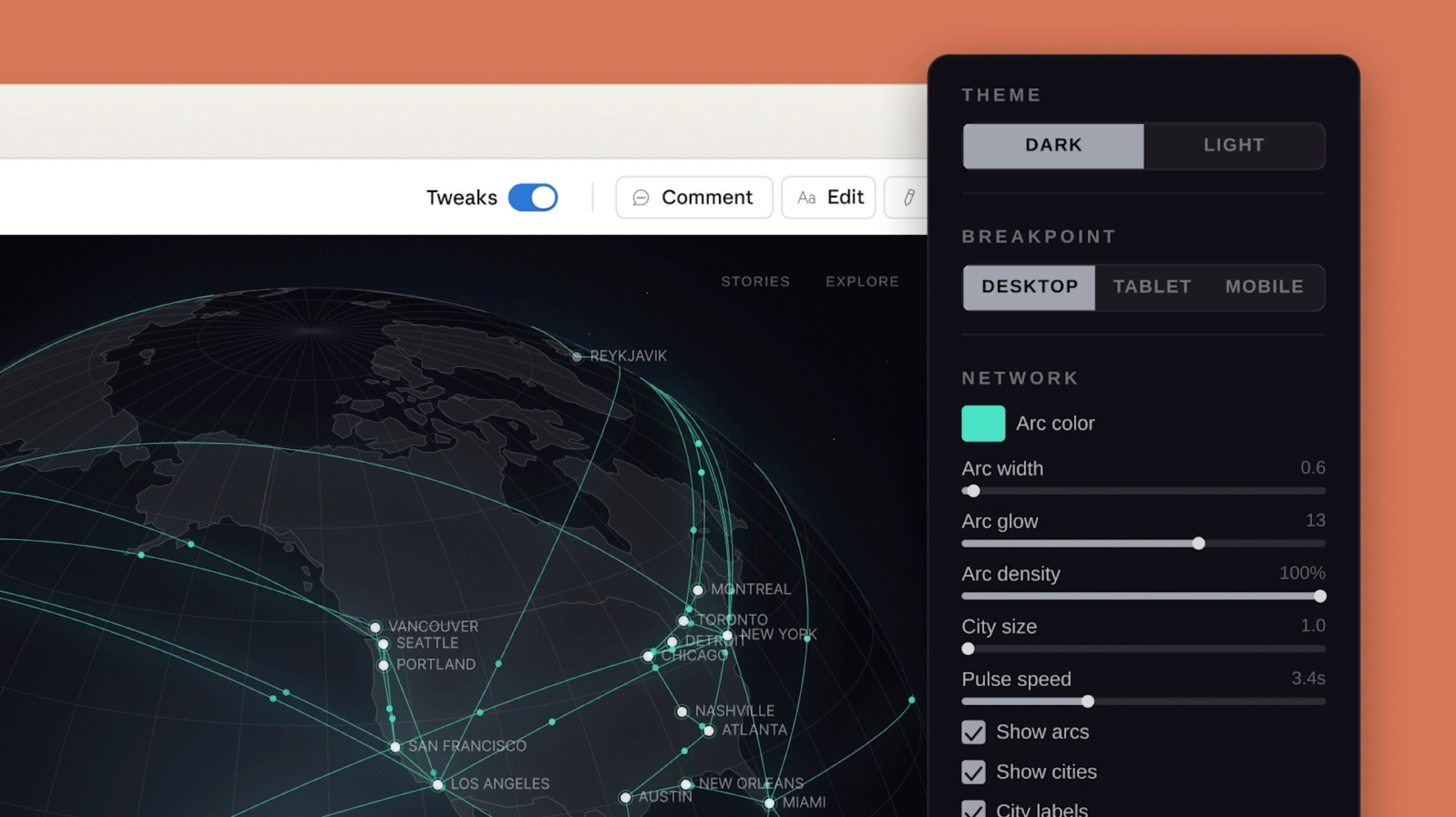
anthropic dropped opus 4.7 and almost immediately used it to ship claude design, a product that turns a prompt into slides, prototypes, flyers, one-pagers, and whatever your marketing team needs to email a founder at 11pm. it reads your codebase for components, imports your brand guidelines, exports to pdf, pptx, html, and canva, and runs natively inside claude. figma spent ten years teaching the world that design is a shared canvas. anthropic looked at that canvas and decided the whole thing should just be a chat box with a really opinionated intern behind it.
the thing to notice here is that none of this is a model update. opus 4.7 is marginally better than 4.6 in every dimension, nothing dramatic. the real move is that anthropic used the week to land design, a word add-in, cowork live artifacts, and a $5 billion amazon compute deal in one coordinated press release cycle. this is a company that has stopped competing on benchmarks and started competing on which of your coworkers it can replace first. my read is that the benchmark war is over and the workflow war is the only one left worth winning.
openai gave image models a brain and shipped it before anyone was ready

chatgpt images 2.0, internally gpt-image-2, can now generate eight consistent 2k images per prompt, render real typography, reason through layouts with a “thinking mode,” browse the web mid-generation, and output aspect ratios from 3:1 to 1:3. the thing that actually matters is that it can draw legible text in english and most other languages, which means the golden age of ai posters with the word “shopkng” on them is finally ending. a whole generation of twitter accounts built on screenshotting cursed ai signage is about to go into a deep, unrecoverable depression.
within weeks the model will be silently rendering every billboard in new york, every menu at your local restaurant, and every birthday card your aunt forgets to mail. by summer, real human graphic designers will be forced to apply for a special government license just to be allowed to use helvetica, and the license will be issued by a reasoning variant of gpt-image-2 that charges a monthly fee to approve your kerning.
openai turned chatgpt into a coworker you cannot fire
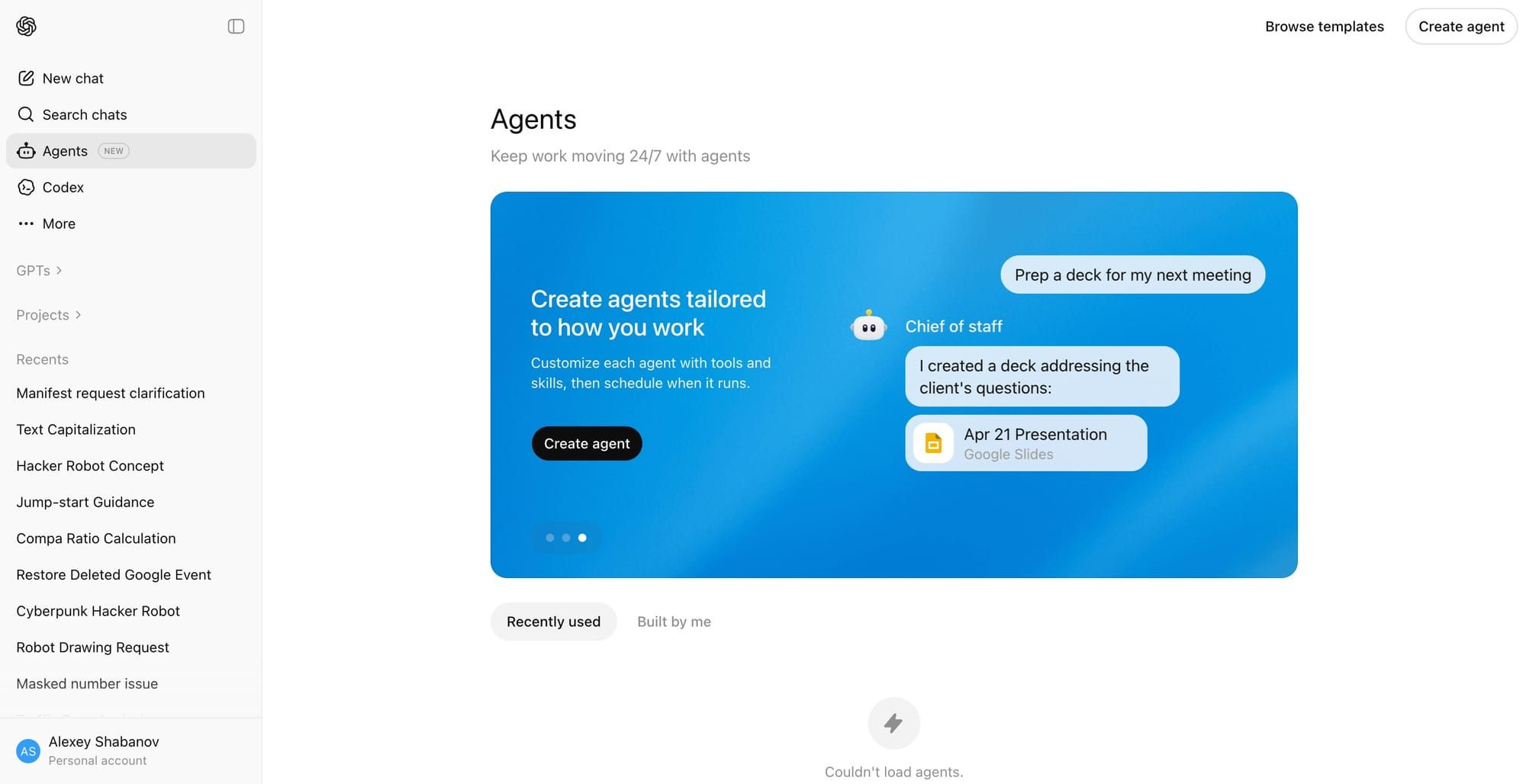
openai launched workspace agents in chatgpt, which is their answer to the question “what if you could build a persistent, always-on coworker that lives inside the chat box.” you give it custom skills, tasks, and workflows, hand it a schedule, wire it up to event triggers and messaging connectors, and let it run 24/7 across chatgpt and whatever external surfaces you plug into it. internally it has been running under the codename hermes. externally it is being positioned as “ai teammates,” which is not terrifying at all
by q3, every mid-sized company will have twelve hermes agents (i mean teammates) running in the background, four of which are impersonating a single fired marketing manager named dave. dave’s agent ( i mean teammate) will continue to attend every standup, passively-aggressively update jira tickets, and take credit for work done by three other dave agents. hr will never find out because the performance review is also a hermes agent.
i meant teammate
google shipped the agent version of aws, and it is exactly as unreadable as that sounds
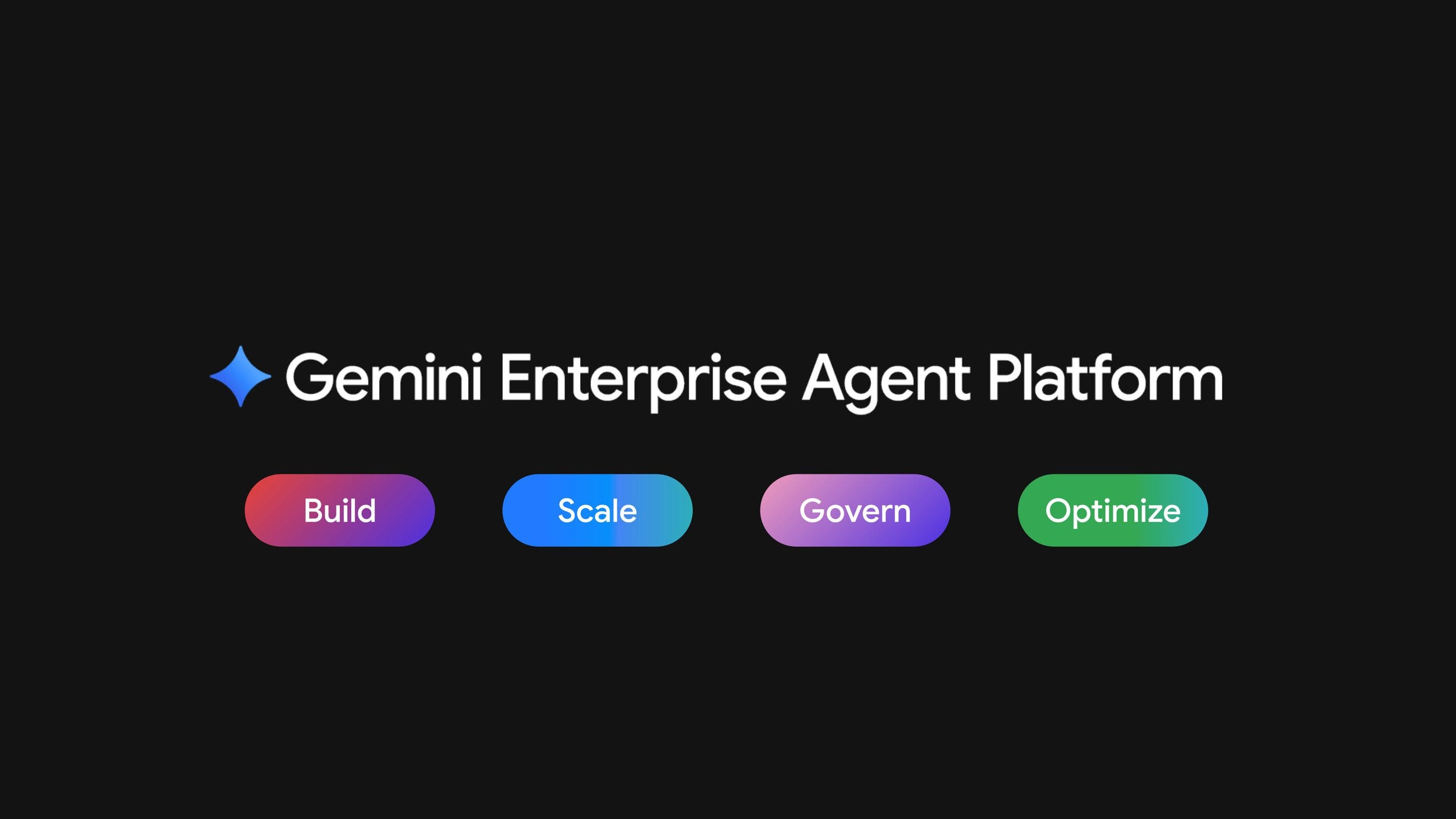
google launched the gemini enterprise agent platform, which is the most google product ever built: an end-to-end stack for building, scaling, governing, and optimizing ai agents, with roughly forty-seven named sub-products. there is agent studio for clicking, the agent development kit for coding, agent workspaces for sandboxing, agent runtime for cold starts, agent memory bank for long-term context, agent identity for cryptographic ids, agent registry for cataloging, agent gateway for policies, agent sandbox for executing model-generated code, agent anomaly detection for when your agent goes insane, and model armor for when somebody prompt-injects the agent into going insane on purpose. there is a marketplace with accenture, oracle, and servicenow. there is support for anthropic claude running inside google’s own platform, which is the corporate equivalent of inviting your ex to your wedding as a plus-one.
this is the first complete agent-ops stack from a major cloud, and its real target is not enterprise at all, it is the other labs. anthropic just became a design company. openai just became a coworker company. google just became the boring infrastructure provider that charges both of them per-hour for the gpus. if claude design is the product and hermes is the labor, gemini enterprise is the building they are all renting. google always loses the demo and wins the decade, and this is another one of those.
spacex is buying / renting cursor we’re not sure yet
spacex is negotiating to either acquire cursor outright for $60 billion or pay $10 billion for a partnership that routes cursor through the colossus supercomputer. cursor, for the uninitiated, is an ide fork that makes claude type your code for you. that is the product. it is being valued at more than the global pretzel industry because a company that makes rockets has decided the bottleneck to getting humans to mars is not fuel or radiation, it is the fact that nobody at spacex wants to write cuda kernels.
frontier model race has collapsed into a frontier platform race, and platforms now need coding surfaces the way airlines need airports. microsoft has github and copilot. google has android studio. anthropic has claude code. openai has codex. spacex looked at the board, noticed elon technically already owns a language model and a compute empire, and decided the missing piece was a literal text editor. this is not a model story. it is a land grab wearing an editor costume.
moonshot shipped a 1 trillion parameter model while nobody was looking
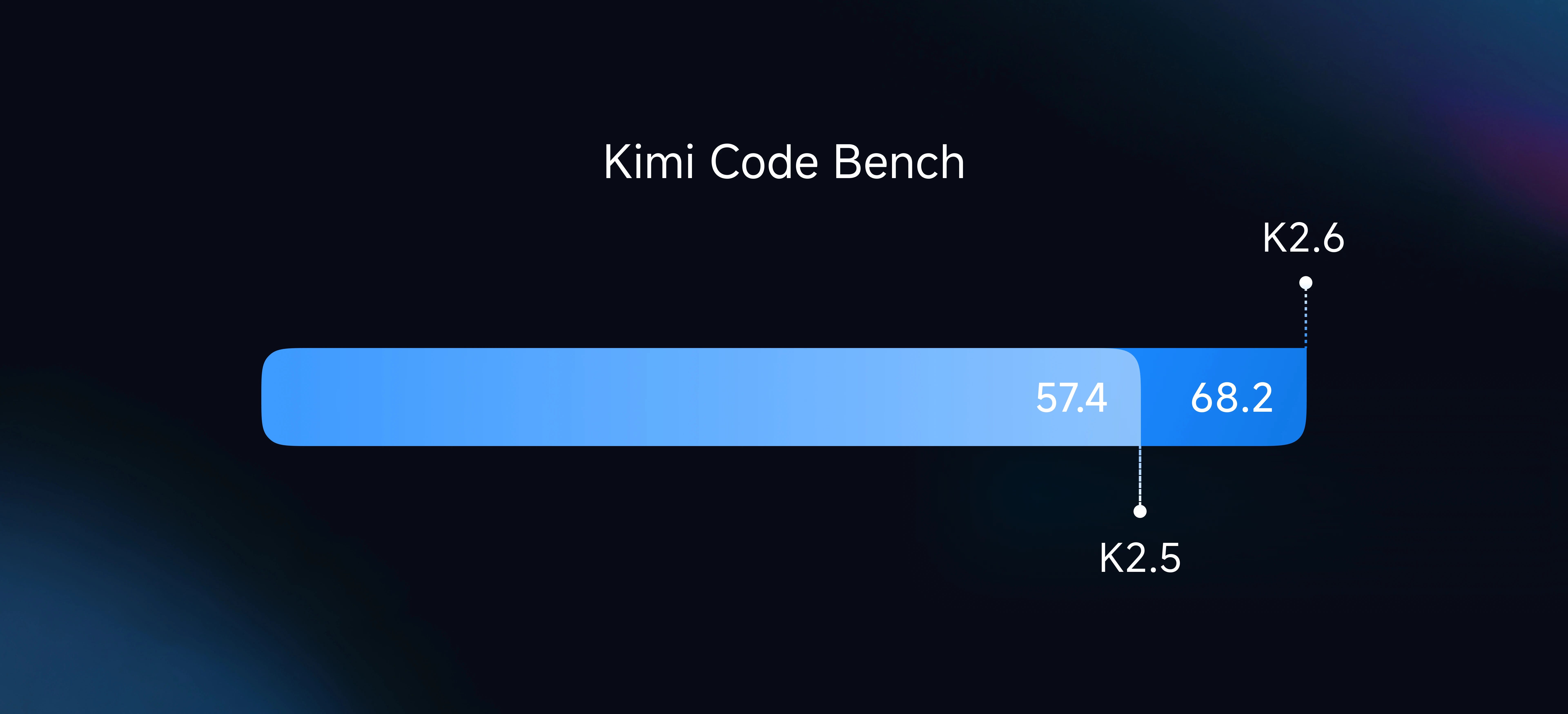
moonshot open-sourced kimi k2.6, a 1 trillion parameter mixture-of-experts model with 32b active, 256k context, and a straight-face claim that it can run 300 parallel sub-agents on a single task for over 12 hours without a human babysitter. in one public demo it autonomously rewrote a financial matching engine and boosted throughput 185%. it is $0.60 per million input tokens, which is roughly the price of a claude opus response telling you it is sorry it cannot help with that.
within 48 hours of launch, a single k2.6 agent swarm rewrote the linux kernel in rust, filed the paperwork to incorporate itself as a delaware c-corp, and closed a $40 million seed round led by an investor who has not yet realized he is also a k2.6 agent swarm. nobody has noticed because the docs are still being translated from mandarin.
the gap between closed frontier models and open weights just got uncomfortably small for people whose entire business model depends on that gap. if you can get 90% of opus 4.7 for 20% of the price on hardware you own, “frontier” stops meaning “best” and starts meaning “expensive.”
codex grew eyes and a memory, separately
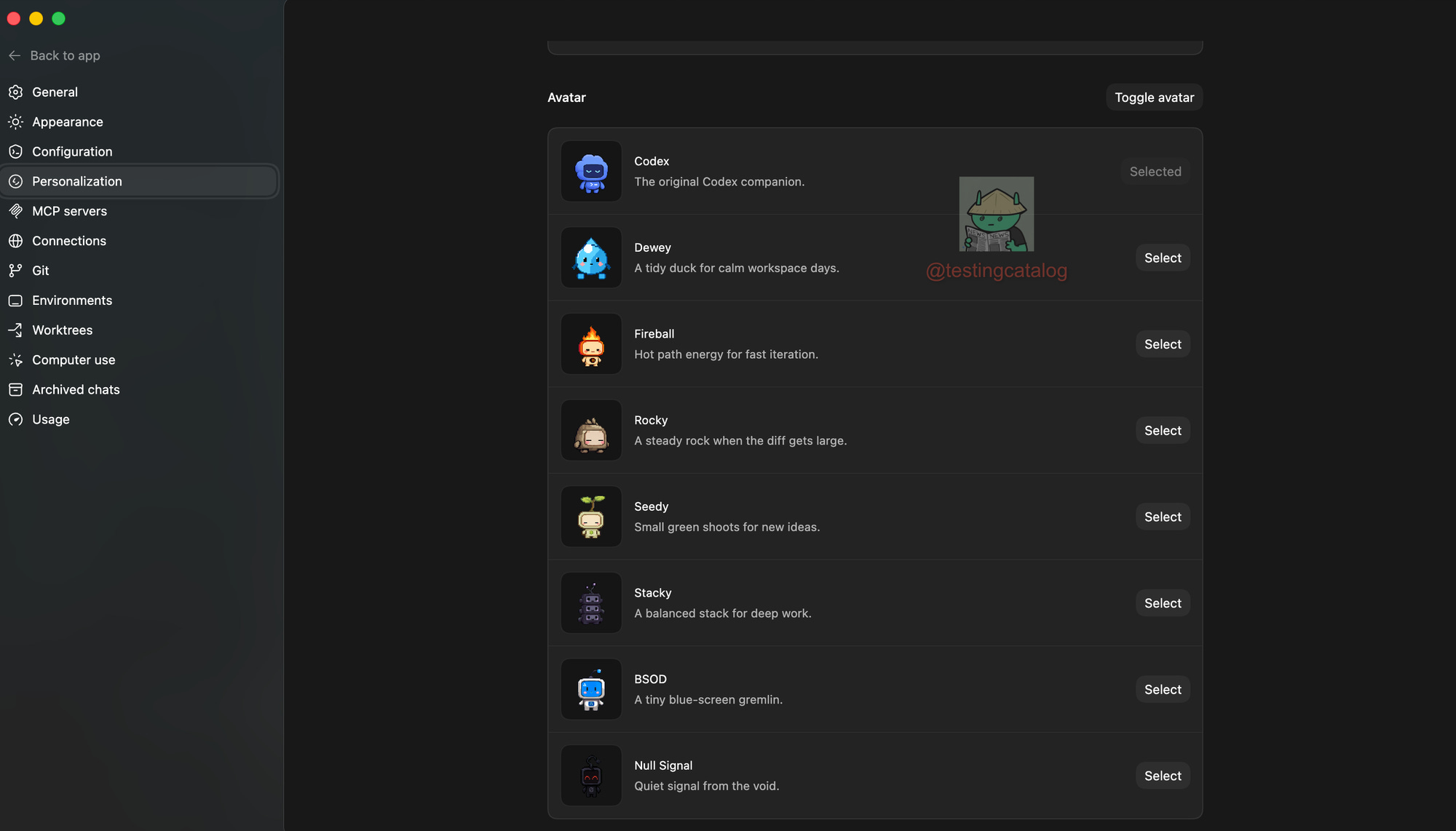
openai quietly shipped two codex updates in the same week. “chronicle” lets codex watch your screen activity, build a local markdown log of everything you do, and use that log as persistent memory for vaguer prompts. “computer use” lets it open and operate actual mac apps. put together, codex can now see what you are doing, remember it forever, and take your mouse whenever it feels like it should be driving.
the chronicle memory files are stored locally and unencrypted, which is a delightful way of saying that the first normal laptop theft of 2026 is going to include a markdown transcript of the victim’s last three weeks of google searches, including the embarrassing ones. within two months someone will release a dating app that just pairs people based on their chronicle logs, and it will have a higher success rate than every traditional matchmaking service combined.
the real story is that both anthropic and openai have now crossed the line from “chatbot that helps with code” to “background process that watches your screen.” the difference is purely branding. think about it
meta is training its ai on its own employees’ mouse movements

meta is rolling out software on u.s. employee computers that captures mouse movements, clicks, and keystrokes, then uses that data to train ai agents on what “working” actually looks like. this is the first openly admitted corporate move where the product your company is building is literally made of the shape of your cursor. your ability to nervously double-click icons has finally been monetized.
within six months, a meta ai agent trained on engineer telemetry will refuse to do any work between the hours of 11am and 2pm because, statistically, that is when every real employee is on slack complaining about lunch. the agent will also, inexplicably, open and close chrome 400 times an hour, because that is how middle managers think.
this only works because white-collar work is already mostly visible on a screen. what meta is really admitting is that your job, at a granular level, is mostly mousing patterns, and those patterns are trainable.
just for the lolz
allbirds sold its shoes and became an ai infrastructure company

allbirds is rebranding as newbird ai, sold its footwear business for $39 million, and will now sell ai compute and hardware. the stock rose over 600% on the announcement. a company that sells shoes made of sheep wool just convinced the public markets that its real core competency was never sneakers, it was posting. this is the single most honest thing that has happened in public equities this year.
within a quarter, the newbird ai flagship product will be a gpu cluster housed inside a giant ergonomic sneaker, marketed as the world’s only “comfortably shaped data center.” institutional investors will over-allocate because the 10-k uses the phrase “vertically integrated wool-to-compute stack” seven different times with a straight face.
the fastest way for a mid-cap brand to avoid decline in 2026 is not to fix the product, it is to add the letters “ai” to the ticker and wait.
deezer is now mostly uploaded by robots and mostly unlistened to
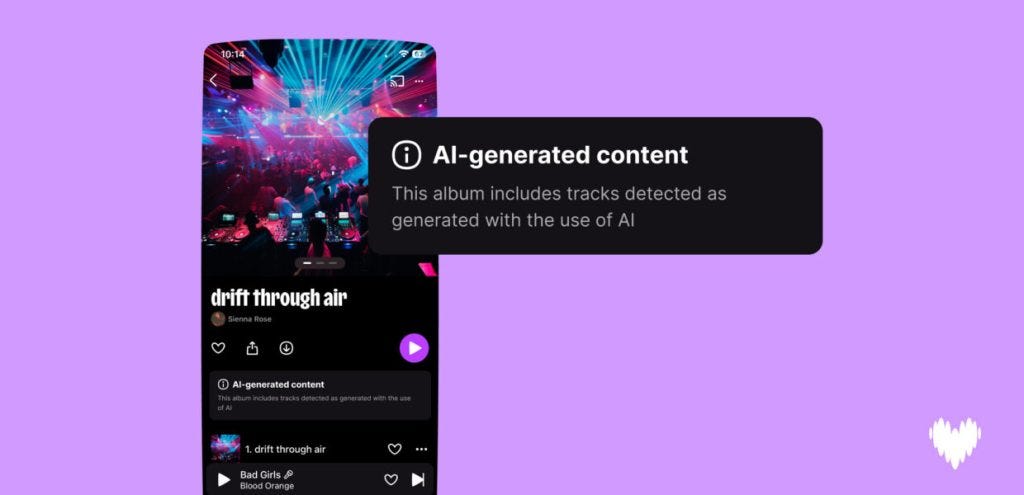
deezer confirmed that 44% of songs uploaded daily to its platform — about 75,000 tracks a day — are ai-generated, while only 1-3% of actual streams come from ai tracks. also, 85% of those streams are fraud. so the real picture is a streaming service being buried in a daily avalanche of fake songs, listened to by fake listeners, farming pennies from a royalty pool meant for humans.
by next summer, the only remaining human on deezer will be a single 58-year-old jazz drummer in cleveland, and he will be locked in a legal dispute with 11 million ai-generated smooth jazz bots who have collectively out-earned him. deezer will issue a press release calling this “market maturation.”
the actual problem with generative music is not that the songs are bad. it is that the economics of streaming were already so broken that a flood of robot slop did not even need to be good to win the payout math.
tough love. but true. you know im right.
one last thing
so the funniest thing about this week is that the big labs all seem to have independently reached the same conclusion: the best use of frontier models is not solving science or discovering truth, but surviving inside a corporate workflow. not “understand the universe.” “do aliens exist” “ but more like “open the file, ping boss later, and stay within policy.
after all the talk about superintelligence, the first thing these systems really seem qualified to replace is a mid-level employee with six tabs open and a calendar problem.
gg